
How Many Days’ Worth of Petrol and Diesel Stock Does India Currently Hold? Know the Facts Before Engaging in Panic Buying
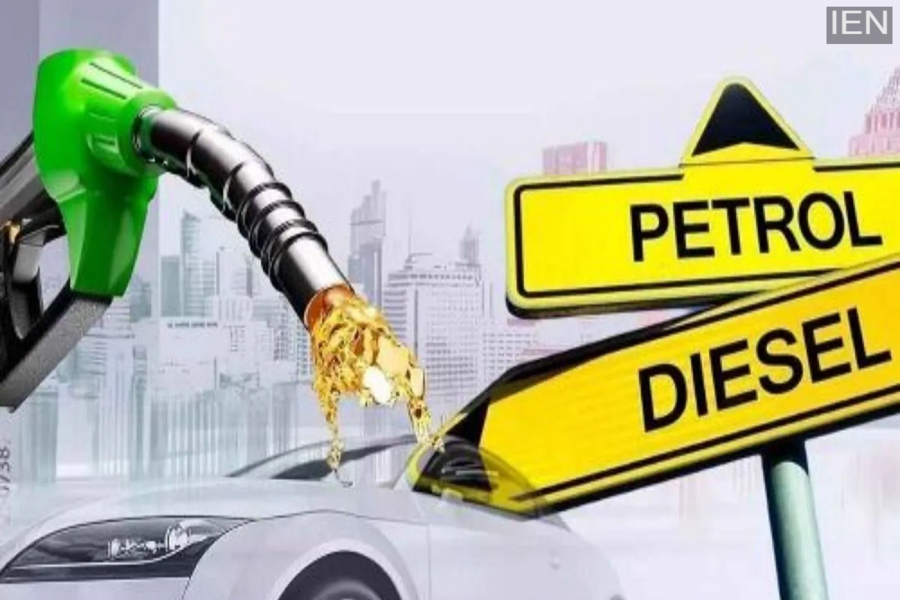
Fuel Stock in India: Amidst reports of a potential hike in petrol and diesel prices, the government has clarified its stance. Petroleum Secretary Neeraj Mittal stated that there is no shortage of fuel in the country.
India’s Oil Reserves: On Sunday, during an event in Hyderabad, Prime Minister Narendra Modi appealed to the nation’s citizens to reduce fuel consumption and exercise greater prudence in its usage, citing rising geopolitical tensions and escalating global energy prices.
Following this appeal, a sense of panic spread among the public nationwide amidst apprehensions of a potential hike in petrol and diesel prices. In response to this situation, the Central Government on Monday reassured consumers regarding the availability of fuel.
Government Appeal: Avoid Panic Buying
Petroleum Secretary Neeraj Mittal clarified that, despite ongoing global tensions, India’s energy security remains completely robust. He stated that India currently holds a stock of 60 days’ worth of crude oil, 60 days’ worth of natural gas, and 45 days’ worth of LPG.
He emphasized that there is absolutely no shortage of fuel within the country. The Oil Secretary explicitly stated that there are no plans for fuel rationing (limiting supply) and urged citizens to refrain from panic buying.
From Which Countries Is India Sourcing Oil?
According to a report by Business Standard, India has diversified its import sources to ensure that supplies remain uninterrupted even in the event of tensions arising in any specific region. India imports oil from Russia.
Currently, Russia remains India’s largest supplier of crude oil, a development that has reduced our dependence on Middle Eastern nations. Furthermore, India is now also importing oil from countries such as the United States, Brazil, and Guyana.
With a strategic focus on African nations, India is also meeting a portion of its oil requirements through imports from countries like Nigeria and Angola. The advantage of this diversification is that even if supplies are disrupted due to tensions in the Strait of Hormuz or the Red Sea, India will continue to receive oil through alternative routes.
Why, then, did PM Modi issue an appeal?
Despite having adequate stocks, PM Modi appealed to citizens to use fuel judiciously in order to conserve the nation’s foreign exchange and resources. Furthermore, state-run oil companies are bearing a significant financial burden to maintain stability in prices and supplies amidst global volatility.
