
How is agricultural land divided, and how do daughters get their share?
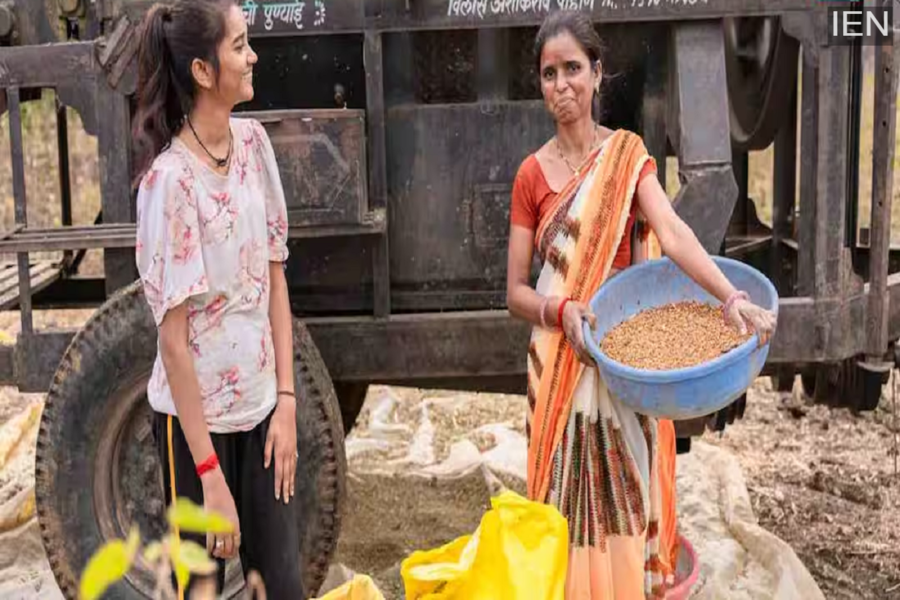
Following recent Supreme Court judgments and the Hindu Succession (Amendment) Act, 2005, it is clear that daughters are entitled to an equal share of property, just like sons.
In India, land is not just property; it is also a source of identity, respect, and security. Especially in rural areas, agricultural land is considered the most valuable asset of a family. However, women, particularly daughters, have long faced discrimination in matters of land rights. Although the law has repeatedly tried to grant women equal rights, the ground reality has not completely changed. In many families, the belief persists that a daughter loses her right to her ancestral land after marriage.
Following recent Supreme Court judgments and the Hindu Succession (Amendment) Act, 2005, it is clear that daughters are entitled to an equal share of property, just like sons. Despite this, confusion and disputes persist regarding agricultural land due to varying state laws. Let's understand how agricultural land is divided and how daughters receive their share.
How is agricultural land divided?
Agricultural land is generally divided in two ways. The easiest method is when all legal heirs of the family (such as sons, daughters, wife, etc.) agree among themselves. In this process, all heirs decide together how much share each will receive. A Partition Deed is prepared, and this document is registered at the Registrar's office.
After this, new Khasra and Khatauni numbers are issued for the different portions of the land. The second method, if there is no agreement within the family, is for any heir, including a daughter, to pursue legal action. For this, an application can be submitted to the Tehsildar or Sub-Divisional Officer (SDO). The Revenue Department measures and divides the land, or a partition suit can be filed in a civil court. The court or revenue officer ensures that every legal heir receives their rightful share.
How do daughters get a share in agricultural land?
Daughters can get a share in agricultural land through the Hindu Succession (Amendment) Act, 2005. Following this law, daughters received equal rights in ancestral property from birth. A daughter became a co-heir just like a son. No distinction is made between married and unmarried daughters. Furthermore, a share can be obtained through ancestral property. Ancestral property is that which has been passed down through four or more generations, in which both sons and daughters have a right from birth. In this type of agricultural land, a daughter receives an equal share to a son. Even if the father died before 2005, the daughter's right remains.
What should a daughter do if she doesn't receive her share?
If a daughter is not being given her rightful share in agricultural land, she can demand her rights by sending a notice to all the heirs through a lawyer. She can file an application for partition with the revenue officer or a partition suit in the civil court. The central Hindu Succession Act applies to agricultural land. However, many states also have separate revenue laws. For example, in Uttar Pradesh, according to the Revenue Code, 2006, unmarried daughters are given priority.
