
How does an STP work, and what technology is used to treat wastewater?
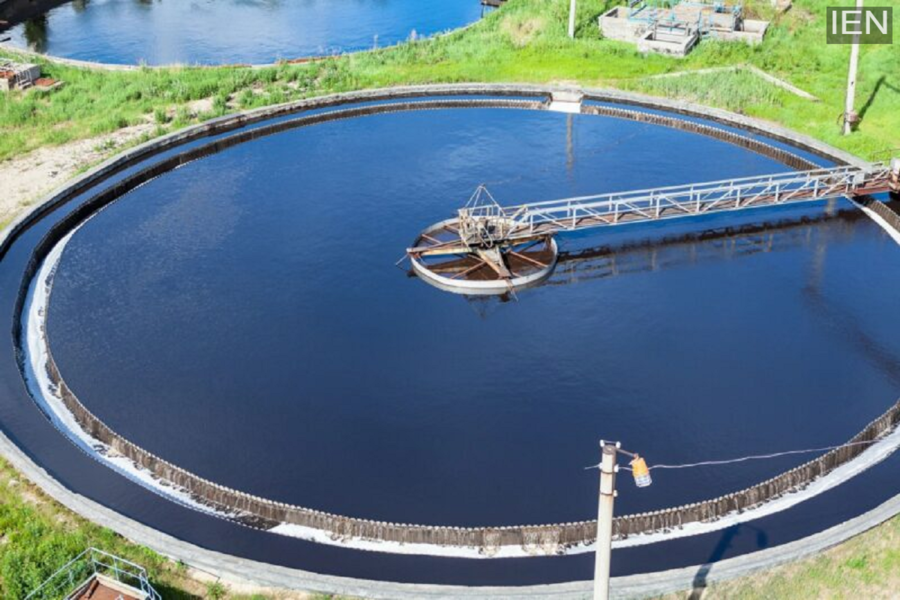
How STP Technology Works: When wastewater reaches the sewage plant, the screening process takes place first.
How STP Technology Works: With the growing population in cities and towns, the volume of wastewater—or sewage—is also steadily increasing. If this water is discharged into rivers, ponds, or the ground without treatment, it can pose a serious threat to both the environment and human health. This is why the role of the STP (Sewage Treatment Plant) has become more crucial than ever. An STP is a system designed to treat wastewater from homes, offices, and industries, making it reusable.
What is an STP?
An STP, or Sewage Treatment Plant, is a technical system where solid waste, harmful bacteria, chemicals, and other pollutants are separated from wastewater. The water obtained after this process can be used for gardening, construction work, flushing, and various industrial activities.
Screening comes first
When wastewater reaches the sewage plant, the screening process is the first step. During this stage, large debris—such as plastic, scraps of cloth, wood, and other solid materials—is separated using special screens or mesh. This prevents damage to the machinery used in subsequent stages.
Impurities settle in the sedimentation tank
After screening, the water is sent to large tanks where heavy particles settle at the bottom. This process is known as sedimentation. Here, sludge and solid matter separate from the water, while the relatively cleaner water moves on to the next stage.
Cleaning with the help of bacteria
The most critical stage of an STP is biological treatment. In this phase, specific microorganisms and bacteria break down the organic waste present in the wastewater. Oxygen is supplied during this process to accelerate bacterial activity. This is carried out using modern techniques such as the 'Activated Sludge Process.' Elimination of Pathogens in the Final Stage
Following biological treatment, the water is disinfected using chlorine, ozone, or ultraviolet (UV) technology. This process destroys harmful bacteria and viruses, rendering the water largely clean and safe.
Reuse of Treated Water
The treated water can be utilized for irrigation, park maintenance, cooling systems, and construction activities. This practice conserves fresh water and alleviates pressure on water resources.
A Crucial Role in Environmental Protection
Sewage Treatment Plants (STPs) not only purify wastewater but also prevent the pollution of rivers and groundwater. Amidst rapid urbanization, this technology has emerged as a vital solution for sanitation, water conservation, and environmental protection.
