
How do Android phones send alerts before an earthquake strikes? Here is the technology behind it.
Earthquake Alert in Android Phones: This sensor detects the phone's speed, tilt, and vibrations.
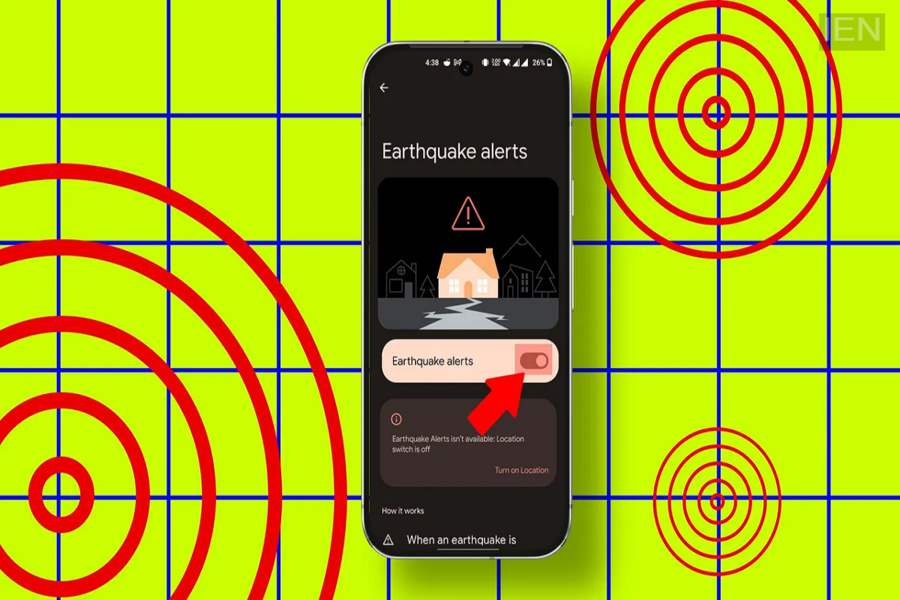
Earthquake Alert in Android Phones: Modern smartphones come with a host of advanced features. Phones have become an integral part of our lives, and they now provide various alerts in advance—including immediate notifications about earthquakes. In fact, modern Android smartphones feature a system that alerts users a few seconds before tremors are actually felt. Let’s explore how Android phones accomplish this.
How the Android Earthquake Alerts System Works
Google has developed a special feature known as the "Android Earthquake Alerts System." The goal of this feature is to alert people a few seconds before an earthquake strikes, giving them time to move to a safe location.
This system utilizes millions of Android smartphones worldwide, effectively turning them into miniature earthquake sensors. When the ground shakes in a specific area, multiple nearby phones detect and record that movement.
Which sensor in the smartphone does the work?
Almost all Android phones are equipped with a sensor called an accelerometer. This sensor detects the phone's speed, tilt, and vibrations. When initial earthquake waves travel through the ground, the resulting vibrations reach the phone's accelerometer. If a large number of phones in a specific area simultaneously record similar vibrations, the system identifies this as an impending earthquake and sends an alert to the user.
How does Google know an earthquake has occurred?
When multiple Android devices transmit data regarding similar vibrations, Google's servers thoroughly analyze that information. The system determines whether an actual earthquake is taking place or if the data is being triggered by some other cause. Once an earthquake is confirmed, Google immediately begins sending alerts to users located in the affected areas.
Does this technology work accurately?
Although this technology is quite advanced, it is very difficult for any technology to be 100% accurate. In this case, the system provides largely accurate information, but the alert received by the user depends on the earthquake's intensity, distance, and network connectivity.
