
How did 22K gold turn into 20-karat gold? Renowned jewellery company accused of fraud..
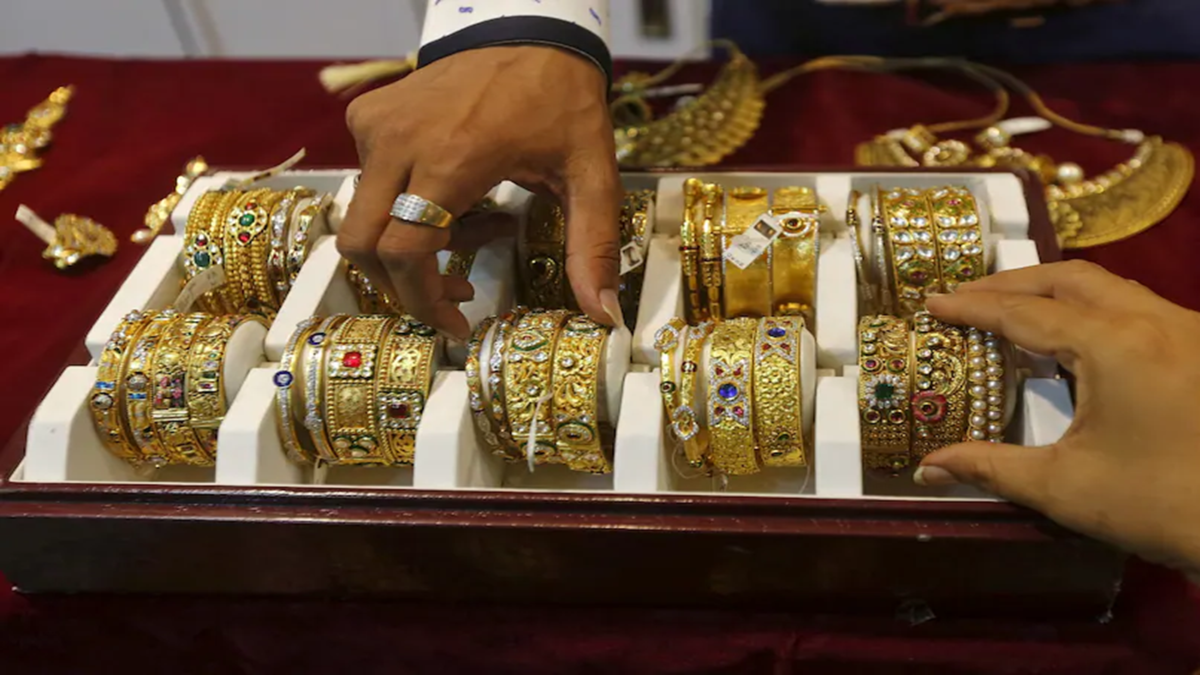
Several videos and posts concerning a Malabar Gold store are circulating on social media. These posts allege that the company uses an XRF machine to understate the purity of gold, thereby paying customers approximately 8% less than the actual value. One viral video claims that a customer’s 22-carat gold was assessed as 20-carat, resulting in a lower valuation. Malabar Gold has not yet issued a response to these allegations. According to the video, when a customer brought their gold to a Malabar Gold store, it was identified as 20-carat rather than 22-carat. The customer requested that they check the HUID (Hallmark Unique Identification) number, but the staff refused.
Subsequently, the small-scale jeweler from whom the customer had originally purchased the gold arrived at the store. Although the staff initially claimed the gold was 20-carat, they revised their assessment to 22-carat after the jeweler identified himself and offered to present the original purchase receipt. The viral video has sparked numerous questions on social media. (Watch the full video here). More importantly, if you are planning to buy or exchange gold jewelry during the festive season, there are several key factors you should keep in mind.
When purchasing gold, first verify its purity. Other metals are mixed with gold to craft jewelry; the higher the proportion of pure gold, the greater its purity. 24-carat gold is considered the purest form, while jewelry is typically crafted in 22, 18, or 14-carat gold. 22-carat gold contains approximately 91.6% pure gold. Therefore, always check the caratage and purity level before making a purchase.
A hallmark is a crucial indicator for verifying the purity of gold. In India, the Bureau of Indian Standards (BIS) regulates the hallmarking of gold. When purchasing jewelry, ensure it bears the BIS hallmark, a number indicating its purity, and a six-digit HUID (Hallmark Unique Identification) number. You can also verify the HUID details using the 'BIS Care' app. Cross-check the details marked on the jewelry with the information provided on the bill. If you have any doubts, seek clarification from the jeweler.
The price of gold depends on its weight and the prevailing market rate on the day of purchase. Therefore, have the jewelry weighed in your presence and ask for the price of gold per gram. Do not rely solely on the rate quoted by the shop; compare it with prices from other reliable sources. If the jewelry contains diamonds or other precious stones, ensure the weight of the gold and the stones are specified separately. It is essential that the weight, karat, and the rate of gold are clearly recorded on the bill.
The price of gold jewelry includes not only the cost of the gold itself but also 'making charges' and, in some cases, 'wastage charges.' Making charges cover the cost of crafting the jewelry, which can vary based on the design and the effort required to create it. Wastage charges are levied to account for any potential loss of gold during the manufacturing process. Inquire about both these charges from the jeweler before making a purchase. Also, clarify whether these charges are applied as a fixed monetary amount or as a percentage, to better understand the final price.
It is also important to understand how the final bill is calculated before completing your purchase. Typically, this includes the cost of the gold, making charges, and any other applicable fees. A 3% GST is also levied on gold jewelry. Before making a payment, ask the jeweler to list all charges separately and verify the total amount. The bill should include essential details such as the weight of the jewelry, its karat, the rate per gram, and the HUID. A proper bill can be useful in the future should any disputes arise regarding the purity or value of the jewelry.
If you are planning to sell old jewellery or exchange it for new pieces, ensure you first understand the jeweller’s buyback policy. The value of old gold is typically determined based on the current market rate, its weight, and its purity as verified through testing. You are not necessarily entitled to a refund of the making charges paid at the time of the original purchase. Furthermore, the value of any diamonds set in the jewellery may be calculated differently. Before selling your gold, request a written breakdown from the jeweller detailing the weight, purity, any applicable deductions, and the final payout amount.
During festive seasons, many jewellers offer customers the option to deposit money in instalments through gold schemes. Some of these schemes may include discounts on making charges or specific benefits linked to the final instalment. However, as the terms and conditions vary for each scheme, be sure to carefully review the scheme’s duration, instalment amounts, offered benefits, and the conditions related to the eventual purchase of jewellery before signing up. Also, inquire about the rules that apply if you choose to exit the scheme prematurely. Keep receipts for all payments, and avoid making hasty decisions.
