
Home Loan EMI is ₹25,000, Bank Balance is Down to ₹20,000; What Happens Now? Will a Penalty Apply?
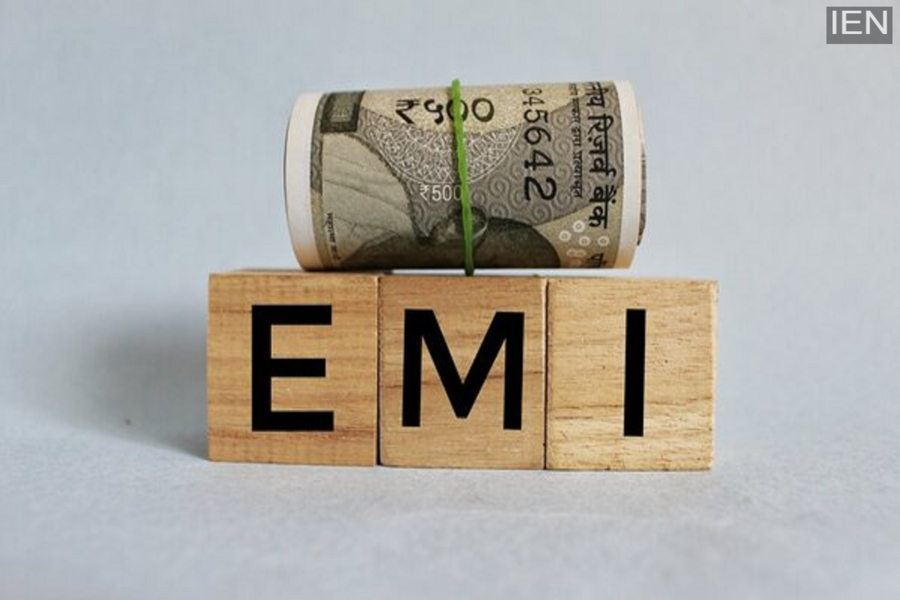
Home Loan EMI Bounce: Paying EMIs can often be quite challenging, as the EMI amount is by no means a small sum. It must be deposited on a specific, fixed date every month.
Home Loan EMI: Food, clothing, and shelter—these are the three basic necessities of life. Everyone dreams of owning their own home, and to help fulfill this dream, almost all banks and numerous housing finance companies offer home loans. A home loan not only fulfills the need for a house but also allows you to repay the cost through easy installments.
However, paying EMIs on time can often present significant difficulties, as the EMI amount is not a trivial sum. It is required to be deposited on a specific, predetermined date each month. Suppose a situation arises where you have only ₹20,000 in your bank account, but your home loan installment amounts to ₹25,000; in such a scenario, your EMI is bound to bounce. The question now arises: if an EMI bounces, does the bank impose a penalty, and does it have any impact on your CIBIL score? Let’s find out:
Will the Bank Impose a Penalty?
If your home loan EMI bounces, you will be required to pay a penalty to the bank. If the balance in your bank account is insufficient, the auto-debit transaction will fail. Consequently, the bank will deduct a ‘bounce charge’ ranging between ₹250 and ₹500. Furthermore, an additional loan penalty will also be levied.
Under this provision, the bank or financial institution from which you obtained the loan will collect an additional fine of ₹500 to ₹1,000, or charge a ‘Penal Interest’ at a rate of 1–2% per month on the outstanding EMI amount.
If this is your first bounced EMI and it was not done intentionally, you should visit your bank branch immediately without hesitation. Meet with the branch manager, explain your situation to them, and provide an assurance that such an incident will not recur in the future. If the explanation you provide seems reasonable to them, it is possible that the penalty imposed by the bank may be reduced.
If a second installment bounces immediately after the first, you should first pay the outstanding installment and then request the bank manager not to report a negative entry to your CIBIL record. If installments bounce for three consecutive months, your CIBIL score could be adversely affected. Once your CIBIL score is damaged, you may face difficulties in securing a loan in the future.
Impact on CIBIL Score
Whenever an EMI bounces, the information is immediately reported to the credit bureau. This results in a decline in your CIBIL score, which could pose challenges in obtaining a new loan in the future. Moreover, a compromised CIBIL score may also create difficulties in obtaining a credit card.
What if You Cannot repay EMIs for an Extended Period?
If you are unable to arrange the necessary funds for an extended period, you can speak with your bank and request a grace period. You may also explain your financial constraints to the bank and submit a formal request to place your installment payments on hold for a certain duration.
If you consistently face difficulties in paying your installments on time due to delays in receiving your salary, you can discuss the option of an “Arrear EMI” with your bank manager. Under this arrangement, the EMI amount is paid at the end of the month. This stands in contrast to the standard practice, where customers are typically offered the “Advance EMI” option, requiring the installment amount to be paid at the beginning of the month.
