
Holding more than ₹5 lakh in a single bank account—why could this be risky?
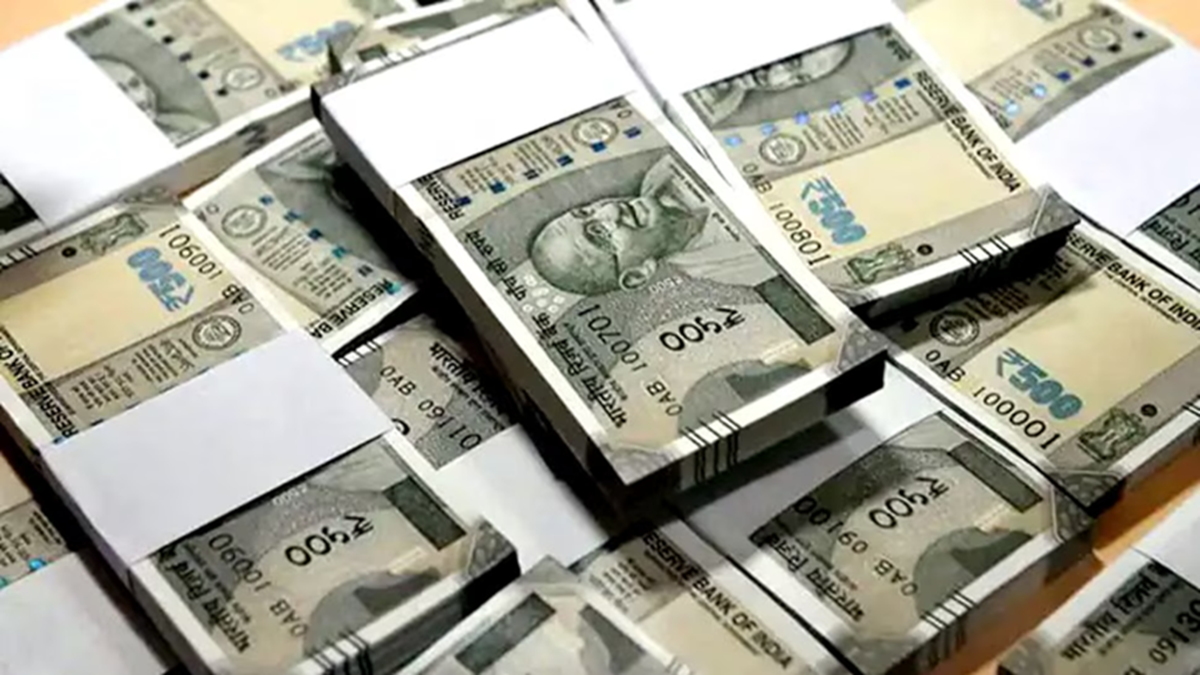
Do you know how much money you should keep in your bank account? Do you have more than ₹5 lakh in your account? If so, your funds might not be entirely safe. You might be wondering why. The Union Budget 2020 introduced changes to savings account regulations, establishing that ₹5 lakh is considered a safe limit for deposits—a rule that has received Cabinet approval. Let’s understand what happens if you keep more than ₹5 lakh in your account and why it is not advisable to do so.
**RBI Provides Insurance Cover Only Up to ₹5 Lakh**
The DICGC, a subsidiary of the Reserve Bank of India (RBI), provides insurance cover of up to ₹5 lakh per depositor—covering both the principal amount and interest—for a single savings bank account. Consequently, if you hold more than ₹5 lakh in a single savings account, the excess amount will not be covered by this insurance.
**Only ₹5 Lakh Recoverable if the Bank Goes Bust or Fails**
If a bank goes bankrupt, fails, or suffers a theft, you will only be able to recover up to ₹5 lakh of your money. Therefore, keeping more than ₹5 lakh in a single savings account is not considered safe.
**How to Keep Your Money Safe**
If you want to ensure your money remains safe in the bank, avoid keeping a large sum in a single account. Instead, distribute your funds across accounts in different banks to ensure you receive full insurance coverage.
**Disadvantages of Keeping Large Amounts in a Savings Account**
Furthermore, keeping a large amount in a savings account yields relatively low interest—typically between 2.5% and 4%. It is far more beneficial to invest any surplus funds exceeding ₹5 lakh in instruments like Fixed Deposits (FDs) or mutual funds.
Disclaimer: This content has been sourced and edited from NDTV India. While we have made modifications for clarity and presentation, the original content belongs to its respective authors and website. We do not claim ownership of the content.
