
Hike in Hallmarking Fees: Gold hallmarking fees increased ahead of the festive season; find out how it will impact customers..
Hike in Hallmarking Fees: The festive shopping season is about to begin in the country. Ahead of this, the Bureau of Indian Standards (BIS) has revised the hallmarking fees for gold and silver jewelry. The new rules came into effect following a notification issued on September 14, 2026.
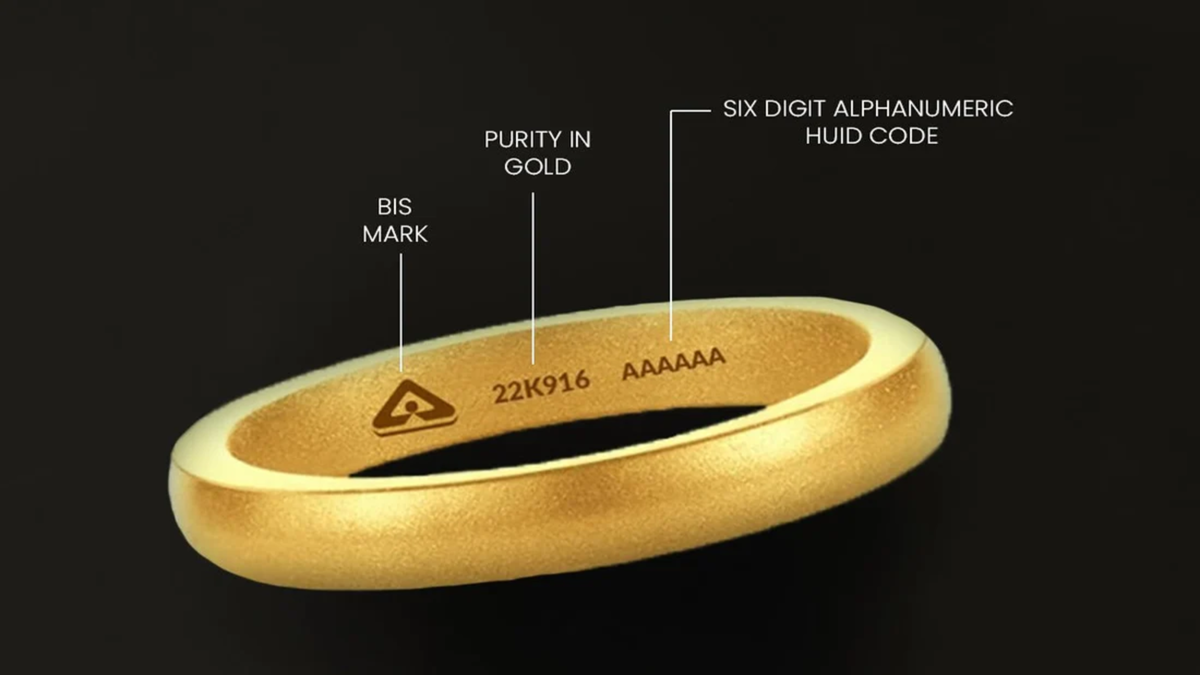
Hallmarking is the primary method for verifying the purity of jewelry made from precious metals. It indicates the karatage of the jewelry—such as 22-karat or 24-karat. A hallmark also certifies that the jewelry complies with BIS standards.
**Gold Hallmarking Fee Set at ₹75**
Amendments have been made to the BIS (Hallmarking) Regulations, 2026. Consequently, jewelers submitting gold jewelry to recognized Assaying and Hallmarking Centres (AHCs) will now have to pay a hallmarking fee of ₹75 per piece. Previously, this fee was ₹45, marking an increase of 66.67%.
The minimum fee per consignment will be ₹200; this means a minimum of ₹200 must be paid even if the number of jewelry pieces is small. For silver jewelry, the fee has been fixed at ₹35 per piece, with a minimum consignment fee of ₹150.
**Fees for Hallmarking Centres Also Fixed**
The new rules also specify the fees to be charged by AHCs on behalf of the BIS. For gold jewelry, this fee will be ₹7.50 per piece, with a minimum consignment fee of ₹20.
For silver jewelry, the fee will be ₹3.50 per piece, with a minimum limit of ₹15 per consignment. Applicable taxes on all these fees will be charged separately.
**Greater Impact on Small and Lightweight Jewelry**
Nitin Kedia, National General Secretary of the AIJGF, stated that the hike in hallmarking fees would have a greater impact on lightweight jewelry. The reason is clear: whether you get a piece of jewelry weighing half a gram or five grams made, the fee of ₹75 remains the same for both. Therefore, this fee will have a more significant percentage impact on the price of lightweight jewelry.
According to Kedia, this will also increase the cost of low-margin jewelry. Small jewelers could be disproportionately affected; competing with large, organized players may become even more difficult for them.
Why is this change significant ahead of the festive season?
The revision in hallmarking fees comes just as preparations for festive jewelry shopping are getting underway. September is generally considered a key month for pre-festive season shopping. It is followed by Navratri and Dussehra, then the Diwali season, and subsequently, the wedding season.
In this context, the new hallmarking fee could become an additional cost for jewelers. They will need to factor this in while building up their jewelry inventory for the festive season.
What does this mean for customers?
It is also important for customers to understand the change in hallmarking fees, as jewelers may pass this cost burden on to them.
Making charges and other costs are added to the final bill. Therefore, customers should consider these charges alongside the price of gold to understand the total cost of the jewelry.
Disclaimer: This content has been sourced and edited from Money Control. While we have made modifications for clarity and presentation, the original content belongs to its respective authors and website. We do not claim ownership of the content.
