
Have prices gone up ahead of Diwali? Check the latest LPG cylinder rates.
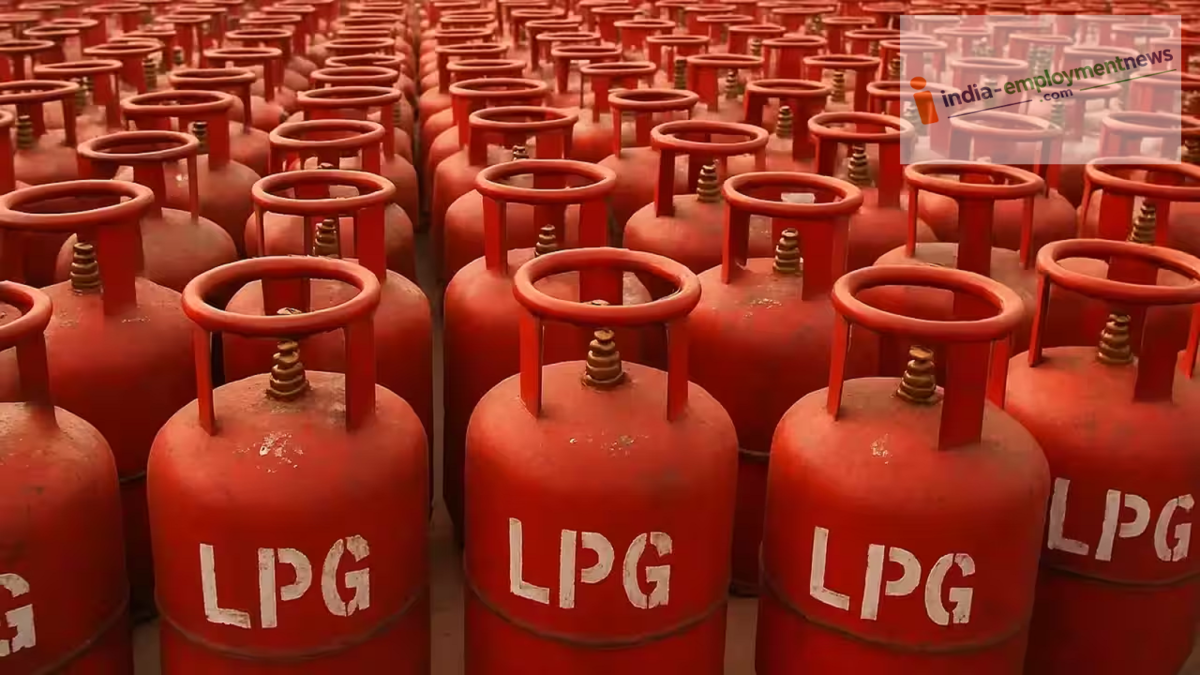
The last revision in domestic gas cylinder prices took place in June this year, when the price per cylinder was increased by ₹29. Meanwhile, rates for commercial cylinders were raised just this October.
With the festive season approaching, people across the country are keeping a close watch on the prices of both domestic and commercial gas cylinders. During festivals like Dhanteras and Diwali, hotels and restaurants see a surge in activity. Additionally, with more cooking taking place at home, gas consumption increases; consequently, cooking gas becomes a significant part of the household budget—a factor worth noting.
According to the latest city-wise rates released for October 25, there has been no change in the prices of domestic LPG cylinders today. This brings some relief to families planning their expenses for the festive season. However, for owners of hotels, restaurants, *dhabas*, and catering businesses, the cost of commercial LPG cylinders remains quite high, especially following the recent price hikes. LPG prices vary from city to city due to differences in local taxes, transportation costs, and other factors.
What are the prices today?
Today, the price of a 14.2 kg domestic LPG cylinder is ₹942 in Delhi, ₹941.50 in Mumbai, and ₹939.50 in Ghaziabad/Noida. There have been no changes to domestic LPG cylinder prices in the month of October. On the other hand, the price of a 19 kg commercial LPG cylinder was increased by ₹62.50 on October 1, bringing the rate for a commercial cylinder in Delhi to ₹2,810.
Check rates by city.
When do prices change each month?
Typically, on the first of every month, oil companies determine LPG cylinder prices by reviewing international crude oil prices and the value of the Indian rupee against the US dollar. Generally, the government and oil companies strive to keep domestic LPG cylinder prices stable for extended periods to help control inflation and provide relief to common consumers. In contrast, the prices of commercial cylinders depend entirely on market fluctuations, making them more likely to change on a monthly basis.
