
Have petrol and diesel prices risen or fallen today, September 9? Crude oil prices are skyrocketing.
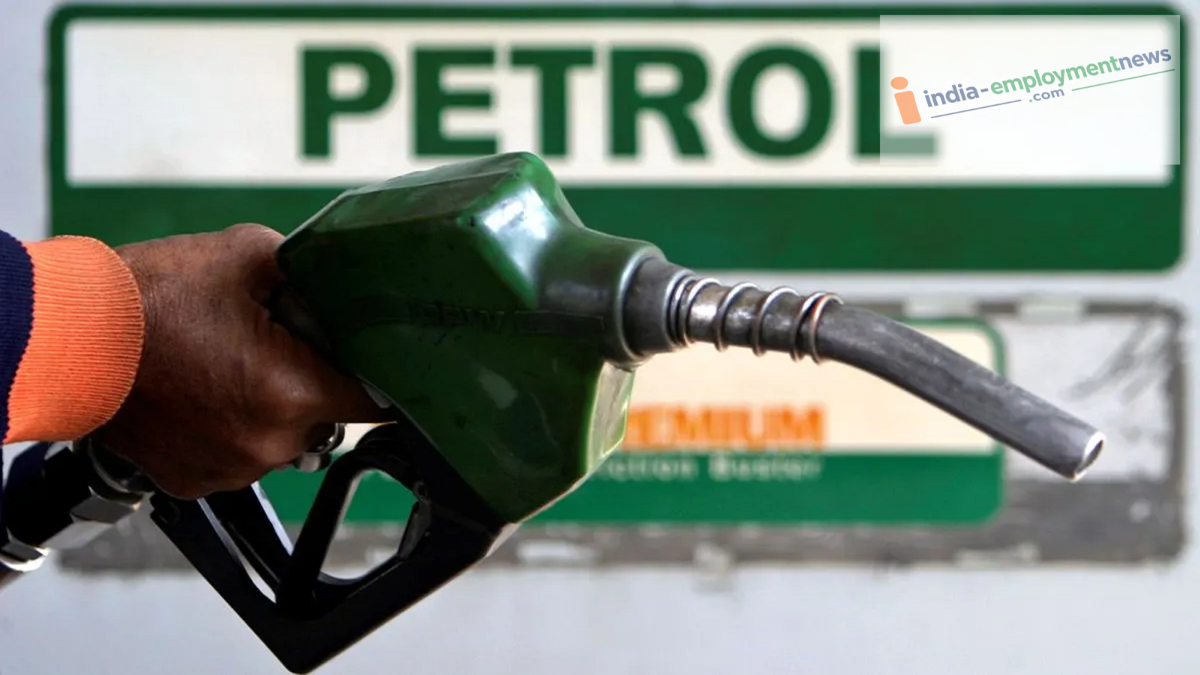
On Wednesday, petrol and diesel prices in major Indian cities remain largely stable. No significant changes in fuel prices were observed in New Delhi, Mumbai, Kolkata, or Chennai.
Today, September 9, 2026, there has been no change in petrol and diesel prices across the country, even though crude oil prices in the international market have neared the $99.36–$100 per barrel mark. Despite this, state-owned oil marketing companies (OMCs) have not altered petrol and diesel prices.
Today’s Crude Oil Prices
Today, September 9, 2026, crude oil prices in the international market are trending upwards. Rising geopolitical tensions between the US and Iran, coupled with attacks on oil tankers near the Strait of Hormuz, have once again cast a shadow of uncertainty over energy supplies. Consequently, crude oil prices have edged very close to the $100 per barrel level.
Brent crude oil, the international benchmark, is trading around $99.29–$99.40 per barrel today. During yesterday’s trading session, it briefly crossed the $99 mark. Meanwhile, the US benchmark, West Texas Intermediate (WTI), is hovering around $94.24 per barrel.
City-wise Petrol and Diesel Prices
| City | Petrol Price (Per Litre) | Diesel Price (Per Litre) |
|---|---|---|
| Delhi | ₹102.12 | ₹95.20 |
| Mumbai | ₹111.31 | ₹97.97 |
| Kolkata | ₹113.51 | ₹99.82 |
| Chennai | ₹107.78 | ₹99.56 |
| Gurugram | ₹102.97 | ₹95.94 |
| Patna | ₹113.35 | ₹99.36 |
| Ranchi | ₹106.12 | ₹100.49 |
| Shimla | ₹102.31 | ₹94.34 |
| Gwalior | ₹114.30 | ₹99.35 |
Why are crude oil prices rising?
Tensions in the Middle East are currently at a peak. The US and Iran are locked in a standoff. Attacks by both sides on each other’s oil tankers near the Strait of Hormuz triggered turmoil in the global oil market, sparking fears of supply disruptions and oil shortages.
The situation is further aggravated by the fact that the Strait of Hormuz is a critical shipping route through which approximately 20% of the world’s oil passes. The movement of commercial vessels along this route has begun to decline as attacks increase.
Ships are now forced to take the route via the Cape of Good Hope, which is longer and costlier, significantly driving up freight expenses. Meanwhile, Iran has further inflamed the situation by declaring a restricted zone in the region.
