
Has someone else taken a loan using your PAN card? Learn how to find out.
PAN Card Safety Tips: These days, fraudulent loans are being taken in other people's names. Has someone taken a loan in your name? How can you find out? Learn the methods.
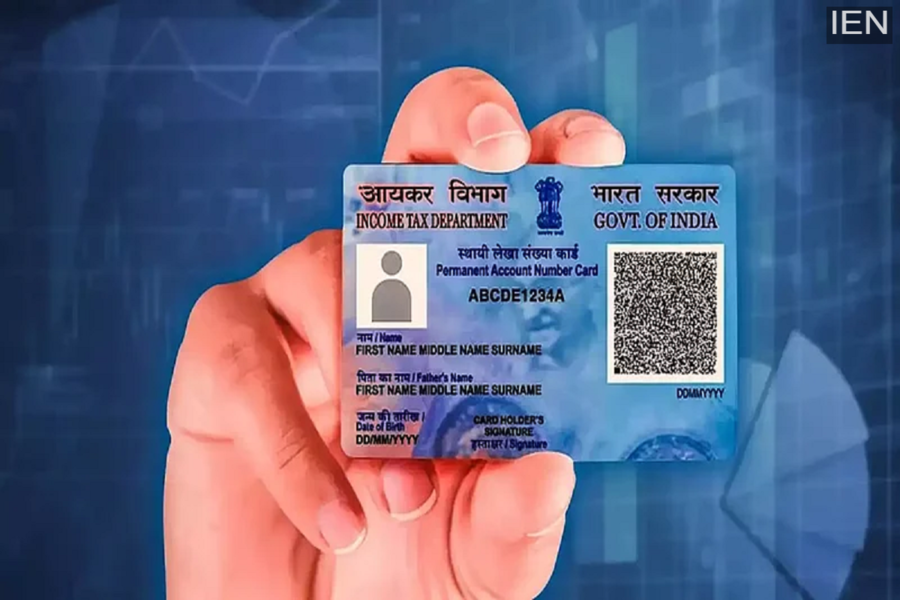
PAN Card Safety Tips: The most important financial document used in the country is the PAN card. Whether opening a bank account, filing income tax returns, or taking out a loan, it's required everywhere. The era of digital banking and instant loans has increased convenience, but fraudulent methods have also increased. In many cases, people discover that a loan is running in their name only when they go to apply for a new loan or credit card and the application is rejected. Imagine you haven't taken out a loan yet, yet the EMI is registered in your name. If not checked in time, your CIBIL score could be affected and future financial planning could be disrupted. Therefore, it's important to regularly check whether any fraudulent loans are linked to your PAN.
How to check for loans in your name?
You need a PAN card to obtain a loan. To find out if a fraudulent loan has been taken out using your PAN card, first download your credit report. There are four authorized credit bureaus in India: TransUnion CIBIL, Experian, Equifax, and CRIF High Mark.
You can get a free report once a year from their websites. Carefully review the Account Information or Loan Details section of the report. If you see a loan you didn't take out or an entry from an unknown bank, be alert immediately. A sudden large loan amount or an uninformed credit inquiry is also a sign that something is amiss.
Keep checking your apps and statements
Many fintech apps on your phone today, such as CRED, Paytm, and Google Pay, display information about active loans and cards linked to your PAN. Keep notifications on these apps. This will ensure you receive immediate notification of any new entries. Also, be sure to check your bank statement every month.
Fill a complaint here
If EMIs are being deducted without your knowledge or you notice any suspicious transactions, don't delay. Contact the relevant lender immediately. File a complaint with the credit bureau, and if necessary, report it to the National Cyber Crime Portal or call the 1930 helpline.
