
Government Extends Deadline for Messaging Apps; SIM-Binding Now to Take Effect from December 31
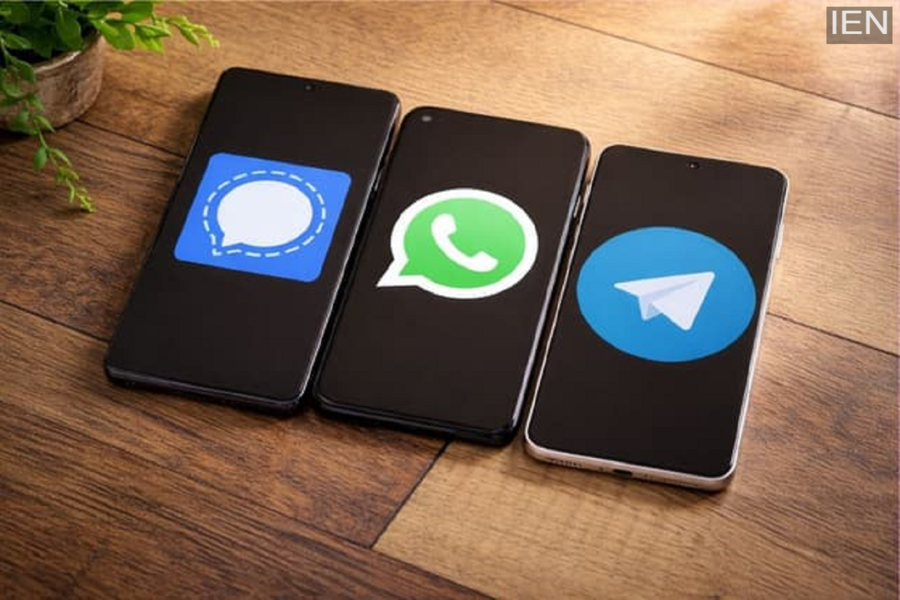
The government has extended the deadline for the SIM-binding rule applicable to messaging apps such as WhatsApp, Telegram, and Signal until December 31. This measure has been taken to curb digital fraud.
The government has extended the deadline for the ‘SIM-binding’ rule—applicable to mobile messaging apps like WhatsApp, Telegram, and Signal—until December 31, 2026. Previously, this rule was scheduled to come into effect on February 26; however, it was postponed in light of industry demands and technical challenges.
What is the ‘SIM-Binding’ Rule?
Under this rule, messaging apps will function only on a mobile device that contains an active SIM card. The objective is to ensure that every account is directly linked to a KYC-verified SIM, thereby curbing fraud and fraudulent calls.
Changes to the Web Version
The initial directives included a provision for automatic log-out from the web versions of these apps after six hours. This has now been revised to implement an AI-based risk analysis system; meaning, the decision to log out will be determined based on the user’s activity and associated security risks.
Why is This Step Necessary?
There has been a growing misuse of messaging apps in incidents involving digital fraud, ‘remote digital arrest’ scams, and fraudulent calls made by individuals posing as government officials. SIM-binding will make it easier to track such cases and will help curb phishing, investment fraud, and loan scams.
Industry Objections
However, the Broadband India Forum (BIF) has raised questions regarding the legal validity of this rule. They argue that it may fall outside the purview of the Telecom Act and could potentially be unconstitutional. Companies such as Meta and Google are members of this forum and have urged the government to reconsider the matter.
