
Government devises two formulas to keep UPI free; will it affect you?
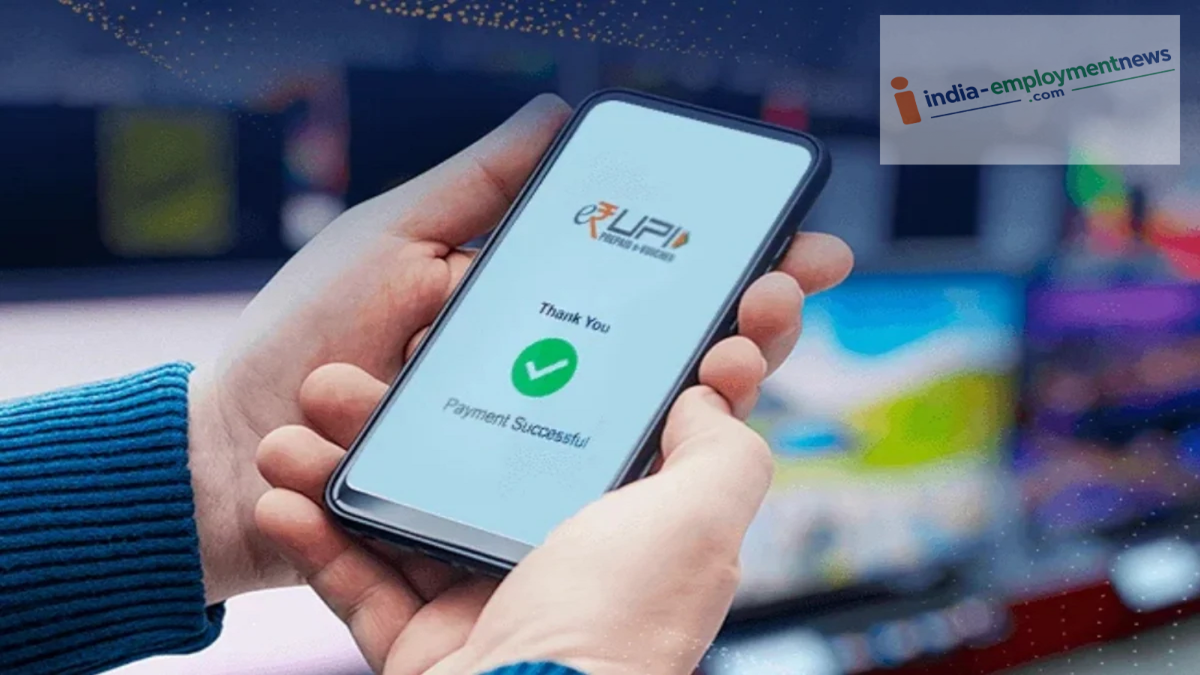
UPI Cost: The government has proposed two options to boost UPI transactions while managing the associated financial costs. The Ministry shared this information with Parliament's Standing Committee on Finance.
Unified Payments Interface: Following the passage of the 'Taxation and Other Laws (Amendment) Bill' in Parliament, concerns arose among the public regarding whether UPI payments would incur charges in the future. Finance Minister Nirmala Sitharaman clarified that UPI payments would remain completely free for ordinary consumers. However, the government has devised two formulas to cover the costs related to infrastructure and cybersecurity.
What are the government's two new formulas?
In a response submitted to the panel on July 17, the Ministry stated, "Considering the sustainability of the UPI ecosystem and the burden on the exchequer, the department is currently exploring two options: (i) examining the possibility of reintroducing the Merchant Discount Rate (MDR) for specific large transactions or merchants, and (ii) creating a tiered incentive structure to gradually phase out government support over the next few years."
To put it simply: the government is considering imposing a nominal Merchant Discount Rate (MDR) on large businesses for transactions exceeding a certain limit, thereby allowing banks and payment companies to recover their costs. According to sources, plans are underway to apply this to businesses with an annual turnover exceeding ₹1.5 crore and to commercial payments above ₹2,000. However, nothing is confirmed yet.
Regarding the second formula, while the government allocated ₹2,000 crore in the budget to boost the digital payment ecosystem and compensate small shopkeepers for losses incurred due to the zero-MDR policy, the industry's estimated operational cost stood at ₹20,700 crore. Although legal provisions now exist to allow for a calibrated MDR on high-value transactions, any delay in notifying and implementing this framework forces payment service providers to rely heavily on inadequate subsidies. This jeopardizes essential investments in cybersecurity, fraud prevention, and network infrastructure.
How will this affect the general public?
There will be no charges for sending money to friends or family via UPI.
There will be no charges for purchases made by scanning QR codes at vegetable vendors, tea stalls, or local grocery stores.
A nominal MDR—lower than that for credit or debit cards—may be charged on purchases made at large malls or showrooms, or at large merchants with an annual turnover of ₹1.5 crore.
What is MDR?
MDR stands for Merchant Discount Rate; it is the fee a merchant pays to the bank and the payment company for accepting digital payments. In other words, the money is not deducted from the customer's pocket; instead, the merchant bears the cost. The government plans to levy an MDR of 0.3% to 0.5% on UPI transactions exceeding ₹2,000 in the future. However, this would apply only to large merchants or shopkeepers with an annual turnover exceeding ₹1.5 crore. Small shopkeepers and general customers will remain exempt from this.
