
Got a new SIM or eSIM? Beware! UPI, OTP, and bank transactions could be significantly impacted.
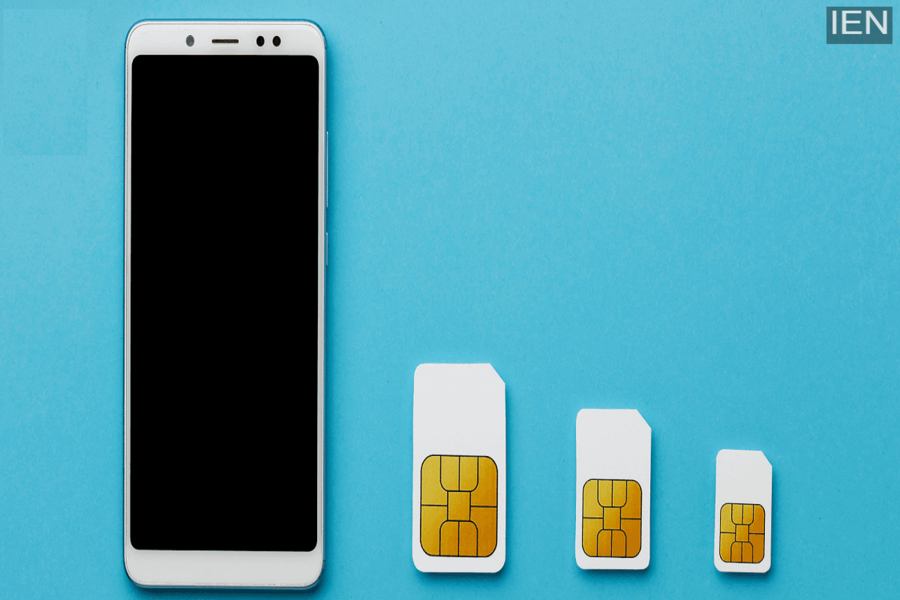
SIM: Many people, when purchasing a new SIM, changing their SIM, or switching to an eSIM, think the biggest issue is network or activation time.
SIM: Many people, when purchasing a new SIM, changing their SIM, or switching to an eSIM, think the biggest issue is network or activation time. However, the real problem is often the temporary suspension of certain services. This suspension is usually imposed for 24 hours and is intended to prevent online fraud.
Under telecom regulations in India, the Telecom Regulatory Authority of India (TRAI) has implemented certain security rules. According to these rules, certain services are temporarily suspended after a SIM change or eSIM transfer to prevent misuse of your number.
SMS services are blocked for 24 hours after a SIM card change.
When a user inserts a new SIM, replaces a SIM, or transfers to an eSIM, telecom companies block SMS services for approximately 24 hours. During this time, SMS can neither be sent nor received.
This directly impacts banking and digital payment-related messages. For example, OTPs or payment notifications from banks are temporarily blocked. Because most banking systems rely on SMS-based verification, many services are temporarily down during this period. SMS services automatically return to normal after the 24 hours are up.
Logging into UPI apps may be problematic.
Unified Payments Interface (UPI) apps used for digital payments also rely on SMS .verification Therefore, using these apps may be difficult immediately after a SIM card change.
For example, apps like Google Pay, PhonePe, and Paytm send SMS to verify the device's identity. If the SMS service is disabled, the app cannot be logged in or activated.
When the 24-hour pause ends, the user must reopen the app and complete the verification process. After this, UPI services resume functioning normally.
Impact on Bank Transactions and OTPs
Banking services may be temporarily affected after changing the SIM. During this time, the OTP required for card payments, fund transfers, or internet banking logins may not be received. SMS alerts related to deposits and withdrawals in the bank account may also be temporarily disabled. However, some banks also offer email OTPs or other security options that may work during this time.
What to do if you've changed your mobile number?
If you've changed not just your SIM but also your mobile number, some additional steps are required to reactivate your bank and UPI services. First, you need to update your new mobile number by visiting your bank or through an official process. After this, you need to re-register your UPI ID with the new number, as the UPI ID associated with the old number will no longer be functional.
How this rule protects against fraud
The primary reason for temporarily suspending SMS services after a SIM card change is to prevent SIM swap fraud. Sometimes, fraudsters obtain a duplicate SIM card for someone's number and then attempt to access bank accounts using OTP.
This 24-hour suspension serves as an additional layer of security in such cases. This prevents fraudsters from immediately receiving the OTP, and gives the end user time to immediately report any suspicious activity to the telecom company or bank.
