
Good news: You can now freely take ₹200 and ₹500 Indian notes to Nepal, the ban has been lifted after 10 years...
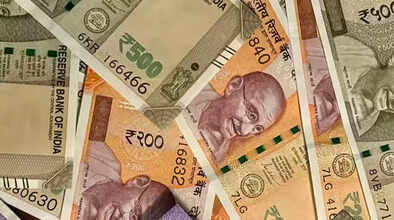
There's great news for people traveling between India and Nepal. The Nepalese government has finally lifted the ban on carrying Indian 200 and 500 rupee notes. Now, both Nepalese and Indian citizens can carry 200 and 500 rupee notes while crossing the India-Nepal border. This decision is especially a relief for those who travel between the two countries for medical treatment, business, education, or tourism.
Now you can carry 200 and 500 rupee notes to Nepal.
This decision by the Nepalese government was taken at a recent cabinet meeting. Minister of Communication and Information Technology and government spokesperson Jagdish Kharel shared this information. He stated that the cabinet has granted permission to carry Indian 200 and 500 rupee notes while traveling to India and returning to Nepal. This rule will now apply equally to all Nepalese and Indian citizens.
RBI's decision
This decision is in line with the notification issued by the Reserve Bank of India (RBI) on November 28. According to this RBI notification, any person, except citizens of Bangladesh and Pakistan, can carry Indian currency notes of denominations higher than 100 rupees, up to a maximum of 25,000 rupees, while traveling from India to Nepal or Bhutan, or vice versa.
Who will benefit from this decision?
According to senior officials of the Nepal Rastra Bank, this decision will greatly benefit Nepalese citizens who travel to India for medical treatment, education, or other essential purposes. Previously, they faced checks and difficulties at the border. This decision is also a relief for Indian tourists and pilgrims visiting Nepal, as they will no longer be limited to carrying only smaller denomination notes.
When was this ban imposed?
It is worth noting that in November 2016, the Indian government demonetized 500 and 1,000 rupee notes. Following this, Nepal also banned the use of these Indian notes within its territory. According to Nepal's central bank, a large quantity of Indian notes, worth millions of rupees, were stuck in the Nepali banking system at that time. People in the areas bordering India and Nepal had been demanding the lifting of this ban for a long time. Indian currency is widely used in daily transactions, purchases, and small businesses in the border regions. Therefore, this decision could significantly ease the lives of the local people.
Overall, the Nepali government's move is expected to boost cross-border movement, tourism, and economic activity between the two countries. Travel will now become much smoother and more convenient for those crossing the border. (Input: ians)
Disclaimer: This content has been sourced and edited from Dainik Jagran. While we have made modifications for clarity and presentation, the original content belongs to its respective authors and website. We do not claim ownership of the content.
