
Good news for gold buyers! Prices are no longer expected to rise significantly; here are 5 key reasons..
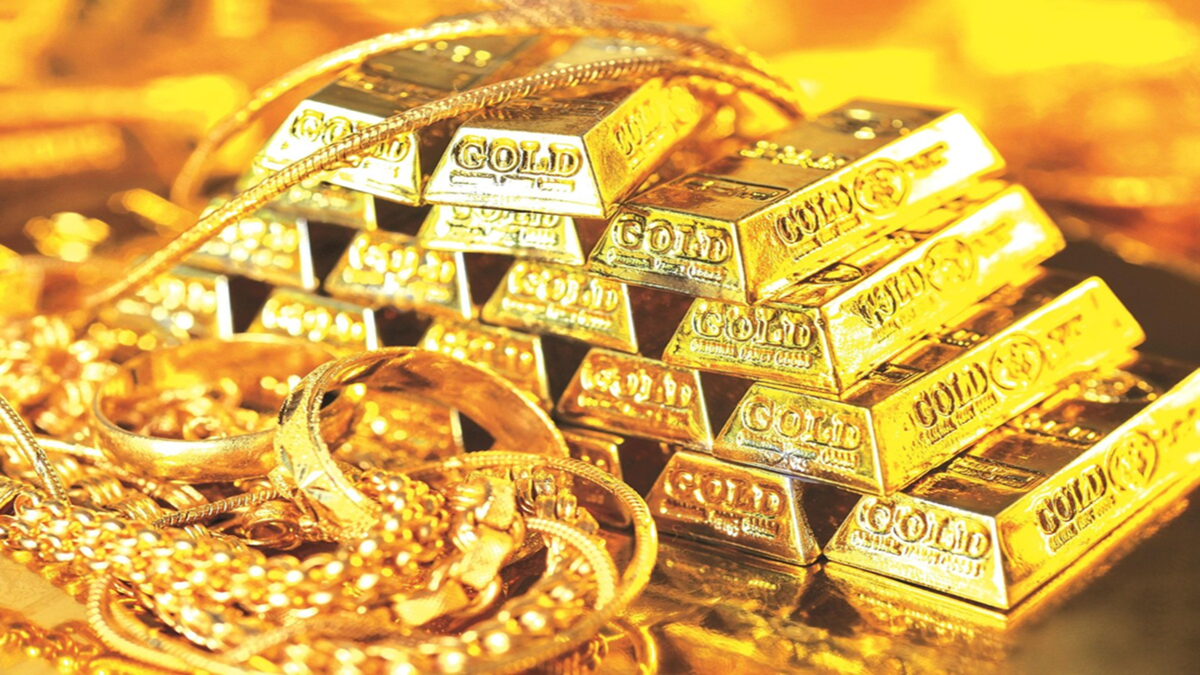
Gold Price Outlook: While gold has seen a slight recovery following its recent decline, the likelihood of it revisiting the record highs seen in January 2026 appears slim at the moment. BMI, the research unit of Fitch Solutions, has lowered its forecast for the average price of gold in 2026 from $4,600 to $4,400 per ounce.
Currently, gold is trading around $4,026 in the international market. Based on this, the maximum projected upside for gold is around 9%. The report suggests that a strong dollar, easing global tensions, and an improving economy could continue to exert pressure on gold prices.
**A strong dollar makes gold more expensive**
When the US dollar strengthens, gold becomes more expensive for buyers in other countries, which impacts demand.
BMI projects that the Dollar Index will likely hover between 98 and 102. If it rises to the 105–110 range, the rally in gold prices could stall.
**Low expectations for interest rate cuts**
Gold does not generate interest or dividends. Consequently, when interest rates remain high, investors tend to favor alternatives like bonds.
BMI believes that the US Federal Reserve will not cut interest rates during the remainder of 2026, with rates likely remaining at 3.75%. This scenario could continue to weigh on the demand for gold.
**Global economy is recovering**
According to the report, concerns regarding global trade and energy supplies have eased somewhat following the agreement between the US and Iran.
As the economy improves, investors often shift away from safe-haven investments toward riskier assets like the stock market. BMI forecasts global economic growth of 2.4% for 2026.
**Impact of easing global tensions**
Global tensions were a major driver of the surge in gold prices over the past year; however, the situation now appears relatively calmer. BMI suggests that the 'safe-haven' support for gold could weaken as tensions between the US and Iran subside. If shipping traffic through the Strait of Hormuz remains normal, demand for gold could decline further.
**Low inflation could also dampen demand**
People often invest in gold when inflation rises. However, if inflation remains under control, demand for gold may decrease.
BMI notes that inflationary pressures are easing due to softer energy prices. If this trend continues, another key source of support for gold could weaken.
**Will gold prices still tumble?**
BMI does not think so. According to the report, central banks across the globe are consistently buying gold, which will continue to provide price support.
However, if the Federal Reserve cuts interest rates or the dollar weakens in the future, gold prices could rise above $4,500 per ounce. Conversely, if the dollar strengthens further or bond yields rise, prices could drop to as low as $3,500 per ounce.
Disclaimer: This content has been sourced and edited from Money Control. While we have made modifications for clarity and presentation, the original content belongs to its respective authors and website. We do not claim ownership of the content.
