
Gold and Silver Prices: Why are they crashing, and how much further will prices fall by Diwali? Find out..
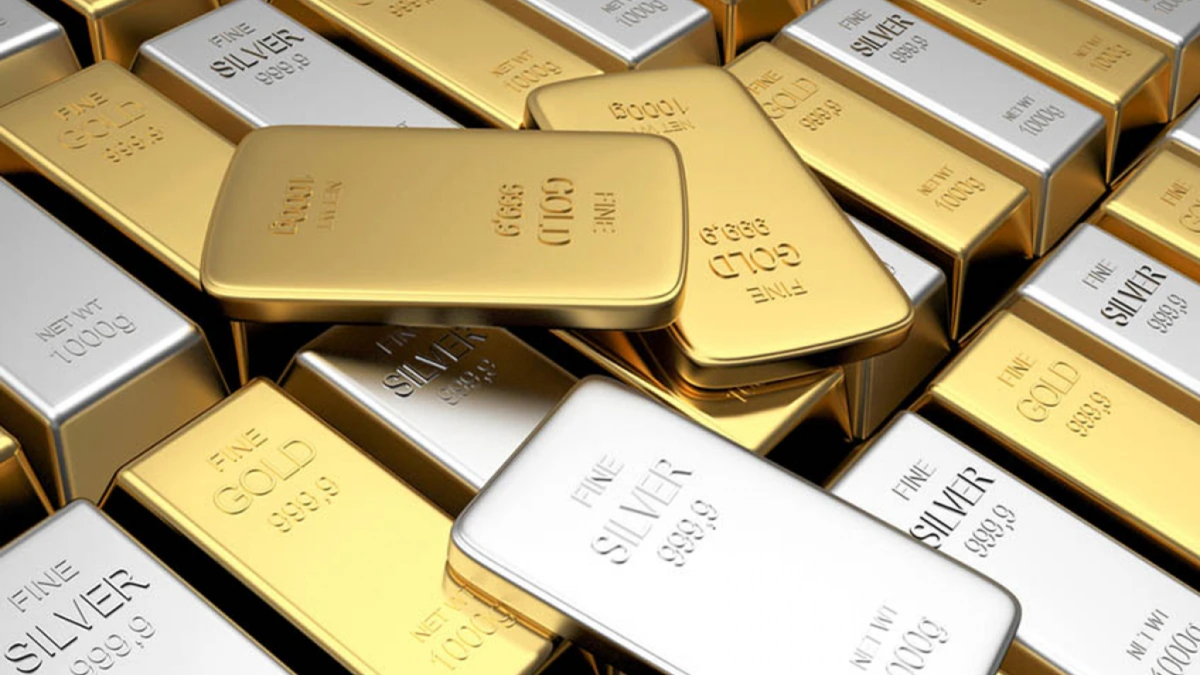
Gold and Silver Price Outlook for Diwali: Fluctuations in gold and silver prices continue ahead of Diwali. Both metals are under pressure due to the conflict in the Middle East, crude oil prices, and concerns regarding interest rate hikes by the Federal Reserve. Currently, gold is trading approximately 25% below its all-time high, while silver is down by 55%. Prices have fallen to their lowest levels in the last six months.
On January 29, 2026, gold reached an all-time high of ₹1.93 lakh, while silver shattered all previous records by hitting ₹4.20 lakh per kilogram. Since then, however, gold has become cheaper by about ₹50,000, and silver by ₹2,25,000.
The question now arises: why are gold and silver prices falling during the festive season? More importantly, will they remain affordable until Diwali, or are we likely to see prices rise again? Aamir Makda, a Commodity and Currency Analyst at Choice Broking, addressed these questions in an exclusive conversation with Jagran Business. Here are the key highlights from the discussion:
Question 1: What are the primary reasons behind the current decline in gold and silver prices?
Answer: The recent drop in gold and silver prices in the domestic market is primarily driven by global economic turbulence, regulatory changes, and expectations surrounding monetary policies.
Due to the aggressive stance of the US Federal Reserve, interest rates remain high, in the range of 4.25% to 4.50%. Meanwhile, Brent crude oil prices are hovering above $110 per barrel, reigniting concerns about global inflation. Consequently, the prospect of an early interest rate cut has all but vanished. The Dollar Index (DXY) has reached a multi-month high, significantly increasing the opportunity cost of non-yielding assets such as bullion. Furthermore, major derivatives exchanges like the CME have increased margin requirements—raising the margin for silver from 11% to 15% and for gold from 6% to 8%—which has led to the squaring off of large speculative positions.
Consequently, standard 24K gold on the MCX has slipped from its record high. Silver has seen an even sharper decline, falling more than 50% from its record high. Sluggish industrial demand from China’s manufacturing sector has further fueled this downturn.
Question 2: How are gold and silver expected to perform leading up to Diwali, and what might their target prices be?
Answer: A bearish trend is expected to persist for gold and silver until Diwali this year. Rather than seeing a major rally, bullion prices are likely to consolidate within a limited range. Pressure will remain due to the US Federal Reserve’s aggressive stance, high bond yields, a strong dollar index, and weak demand from China. In this environment, the price of gold could move toward key support levels of ₹139,000 to ₹137,500, while silver could decline toward the ₹175,000 level.
Question 3: What is driving the rise in crude oil prices, and where might they head in the coming days?
Answer: The primary reason for the surge in global crude oil prices is the escalating geopolitical tension in the Middle East and renewed fears of supply disruptions. Drone and missile attacks on Saudi Arabia’s energy infrastructure, combined with disruptions to vessel movement near the Persian Gulf and the Strait of Hormuz, have led energy traders to significantly increase the geopolitical risk premium.
Additionally, warnings regarding potential military strikes on Iranian energy facilities have impacted the global physical crude oil market. Supply has become quite limited. With Brent crude trading above $115 per barrel and US WTI above $100 per barrel, the trend remains upward. In the coming days, Brent crude may test the $118 resistance level. Should this crisis extend to key Middle Eastern export routes, prices could even climb beyond $125 per barrel—before eventually being impacted by a decline in production margins and demand.
