
Gold and Silver Prices Surge Sharply; Silver Jumps ₹12,000 as Bullion Rally Intensifies
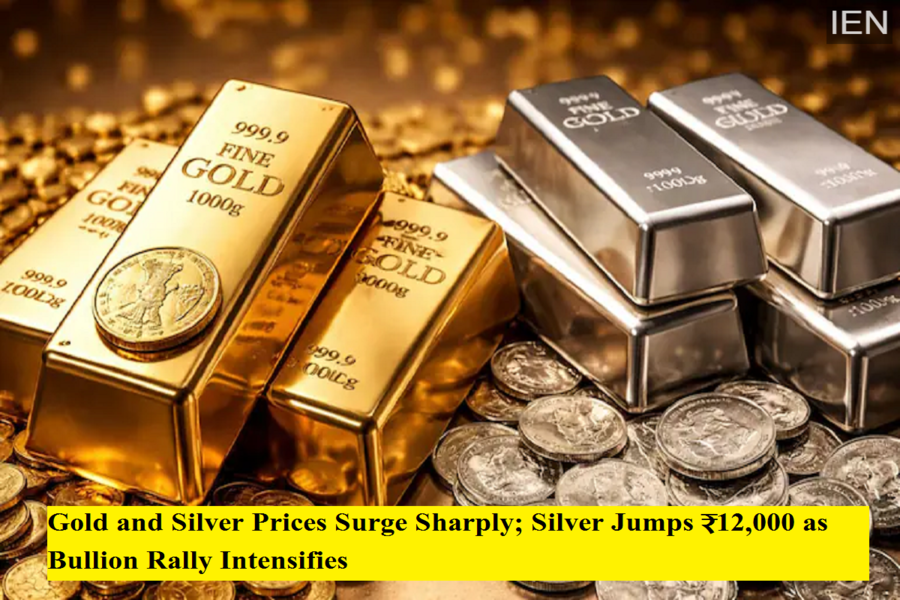
Gold and silver prices witnessed a sharp rally in the domestic bullion market on Tuesday, with silver recording one of its biggest single-day jumps in recent weeks. In the national capital Delhi, silver prices surged by ₹12,000 per kilogram, while gold prices also climbed significantly and crossed the ₹1.56 lakh mark per 10 grams.
The sudden rise in precious metal prices comes amid growing geopolitical tensions in West Asia, a weakening Indian rupee, and increasing uncertainty in global financial markets. Analysts say investors are once again turning toward safe-haven assets such as gold and silver as concerns over inflation, currency weakness, and global instability intensify.
Gold Crosses ₹1.56 Lakh Per 10 Grams
According to market data shared by the All India Sarafa Association, 24-carat gold prices in Delhi rose by around ₹1,500 in a single trading session.
Latest Gold Price in Delhi
| Gold Type | Latest Price |
|---|---|
| 24-Carat Gold (10 grams) | ₹1,56,800 |
In the previous session, the same quantity of gold was trading near ₹1,55,300 per 10 grams.
This means gold prices registered an increase of nearly 1 percent within just one day.
Bullion traders say fresh buying by investors and jewellers, combined with currency weakness, contributed to the sharp domestic rally.
Silver Records Massive ₹12,000 Jump
Silver prices witnessed an even stronger rally than gold.
Latest Silver Price in Delhi
| Metal | Latest Price |
|---|---|
| Silver (1 kilogram) | ₹2,77,000 |
Silver prices surged by ₹12,000 per kilogram, representing an increase of nearly 4.53 percent compared to the previous trading session.
Earlier, silver was trading near ₹2,65,000 per kilogram.
Market experts say the strong rally reflects growing volatility in commodity markets as investors shift toward precious metals amid rising global uncertainty.
Why Precious Metal Prices Are Rising in India
Several domestic and international factors are currently influencing gold and silver prices in India.
Rupee Falls to Record Low
One of the biggest reasons behind the domestic rally is the sharp weakness in the Indian rupee against the US dollar.
Since India imports most of its gold and silver requirements, a weaker rupee increases the landed cost of precious metals even if international prices remain stable or decline.
Rising Geopolitical Tensions
Concerns surrounding the escalating conflict involving Iran and the United States have further increased market uncertainty.
Investors globally tend to move toward safer assets such as gold during periods of geopolitical instability.
Crude Oil Price Volatility
The recent spike in crude oil prices has also intensified inflation concerns worldwide, indirectly supporting demand for precious metals as hedging instruments.
International Markets Showed a Different Trend
Interestingly, despite the strong rally in Indian markets, international bullion prices moved lower during the same period.
International Precious Metal Prices
| Commodity | Latest International Price |
|---|---|
| Spot Gold | $4,692.64 per ounce |
| Spot Silver | $83.49 per ounce |
Spot gold reportedly declined by around 1 percent in international markets, while silver fell by over 3 percent globally.
This divergence between domestic and global prices was largely driven by the weakening rupee and India-specific demand conditions.
What Analysts Are Saying
According to analysts at Kotak Securities, international gold prices slipped from their recent three-week highs due to pressure from a stronger US dollar and rising US Treasury bond yields.
The brokerage noted that:
- Higher bond yields reduce the attractiveness of non-interest-bearing assets like gold.
- A stronger dollar typically puts pressure on international bullion prices.
- However, geopolitical tensions continue to support safe-haven demand.
Analysts say this combination of opposing forces is likely to keep precious metal prices highly volatile in the near term.
Why Iran Tensions Are Worrying Markets
Market sentiment became more cautious after US President Donald Trump reportedly stated that the possibility of a ceasefire with Iran was now “under threat.”
Reports suggest Iran rejected a fresh peace proposal from the United States, increasing fears of prolonged conflict in West Asia.
Any escalation in the region raises concerns over:
- Global oil supply disruptions
- Inflationary pressure
- Shipping route risks
- Currency market volatility
- Investor uncertainty
These developments typically increase demand for safe-haven assets such as gold and silver.
What Could Happen Next?
Market experts believe precious metal prices may remain volatile in the coming weeks.
Factors likely to influence future price trends include:
- US Federal Reserve policy decisions
- Global inflation trends
- Dollar movement
- Crude oil prices
- Geopolitical tensions
- Bond yield movements
Analysts say continued uncertainty in global markets could support bullion prices in the medium term. However, a stronger dollar and higher interest rates may continue limiting aggressive upside momentum.
Should Investors Buy Gold and Silver Now?
Financial advisors say investors should avoid making emotional decisions during periods of sharp price swings.
Experts generally recommend:
- Diversified investing
- Gradual accumulation
- Long-term investment planning
- Avoiding panic buying at peak prices
Investors are also being encouraged to explore alternatives such as:
- Gold ETF
- Sovereign Gold Bond
- Digital gold products
instead of concentrating heavily on physical bullion purchases.
Bullion Market Expected to Stay Sensitive
With geopolitical uncertainty, currency weakness, and inflation concerns continuing to dominate global financial markets, analysts expect gold and silver prices to remain highly sensitive to international developments.
For now, the sharp rally in both metals highlights how quickly investor sentiment can shift toward safe-haven assets during periods of global instability and economic uncertainty.
Disclaimer: Market-related views and investment opinions mentioned above are based on expert commentary and market analysis. Investors should consult certified financial advisors before making investment decisions.
