
Gold and Silver Import Duty Hike Pushes Indians Toward Selling Old Jewellery Instead of Buying New
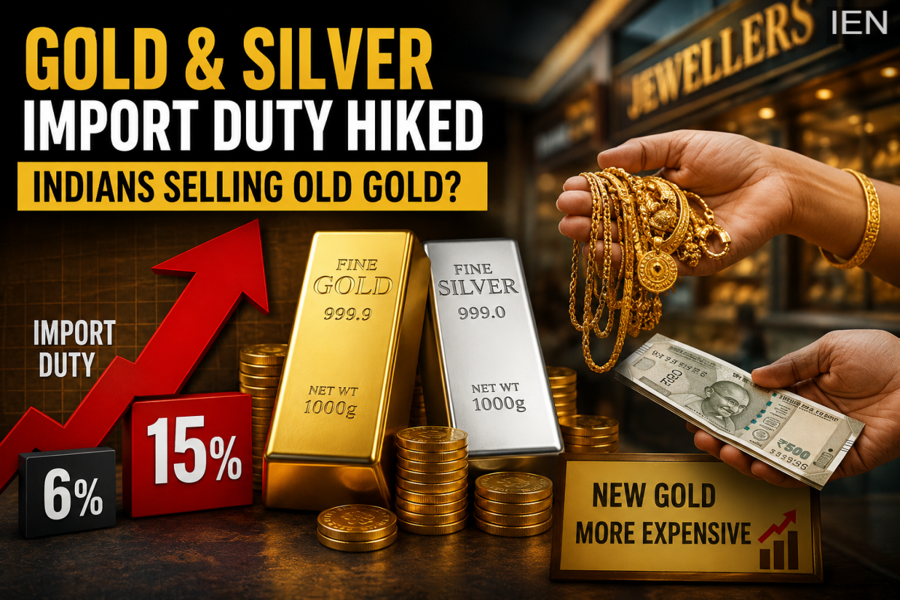
The sharp rise in gold prices has already made jewellery purchases difficult for many Indian households. Now, the government’s latest move to increase import duty on gold and silver is expected to push prices even higher, changing the dynamics of the precious metals market across the country. As fresh gold becomes costlier, many consumers are turning their attention toward selling old jewellery rather than purchasing new ornaments.
In a major policy decision announced on May 13, the government increased the import duty on gold and silver from 6% to 15%. The revised duty structure has significantly raised the cost of importing precious metals into India, directly impacting the retail price of gold jewellery, coins, and bullion bars. Industry experts believe the move could temporarily slow down demand for newly purchased gold, especially among middle-class buyers.
Gold has always occupied a unique place in Indian culture. Beyond being a financial investment, it is considered a symbol of prosperity, tradition, and emotional security. Weddings, festivals, and family celebrations often revolve around gold purchases. Despite rising prices, Indian households have historically continued to buy gold in some form. However, the recent surge in prices combined with higher import taxes is beginning to influence consumer behavior in noticeable ways.
Jewellery traders and market analysts say many customers are now reconsidering their buying decisions. Instead of purchasing new gold items at elevated prices, several families are choosing to exchange or sell their old jewellery to manage expenses or take advantage of record-high rates. This trend has become increasingly visible in major jewellery markets across India.
According to industry observers, the rise in import duty is likely to make imported gold substantially more expensive in the coming months. Since India depends heavily on imported gold to meet domestic demand, any increase in import taxes directly affects consumers. Retail jewellers may also pass on the additional burden to buyers through higher making charges and final product pricing.
The government’s appeal urging citizens to avoid unnecessary gold purchases for the next year is being seen as part of a broader strategy to control imports and reduce pressure on the country’s trade balance. Gold imports contribute significantly to India’s import bill, and policymakers often attempt to discourage excessive purchases during periods of economic uncertainty or rising global prices.
Meanwhile, the market for old gold has started gaining momentum. Jewellers are witnessing increased footfall from customers looking to sell unused ornaments, outdated jewellery designs, or broken gold pieces. Many consumers believe current rates provide an ideal opportunity to liquidate idle assets and secure profits.
Experts also point out that recycling old gold within the domestic market could help reduce dependence on imports to some extent. When consumers sell old jewellery, refiners and jewellers can melt and reuse the metal, lowering the need for fresh imported gold. This trend could partially offset the impact of declining new purchases.
Silver prices are also expected to rise following the import duty revision. The increased tax will affect silver jewellery, utensils, coins, and investment products. Traders believe that both gold and silver markets may witness short-term volatility as consumers adjust to the new pricing environment.
Despite the government’s efforts to discourage heavy gold buying, demand may not disappear entirely due to the cultural importance of the metal in India. However, buyers are becoming more cautious and price-sensitive. Many families are delaying large jewellery purchases, opting for lightweight designs, or exchanging old ornaments to reduce costs.
Market experts suggest that if global gold prices remain elevated and domestic taxes continue at current levels, the resale and exchange market for gold could become even more active in the coming months. Jewellers may also introduce more exchange schemes and recycling offers to attract customers who are unwilling to buy entirely new jewellery at higher prices.
For now, India’s gold market appears to be entering a transitional phase where rising import duties, expensive prices, and cautious consumer sentiment are reshaping traditional buying patterns. While new gold purchases may slow down temporarily, the growing popularity of old gold sales indicates that Indians are adapting quickly to the changing market conditions.
