
Fuel Prices Today: Mixed Trends Across Cities as Petrol and Diesel Rates See Minor Changes
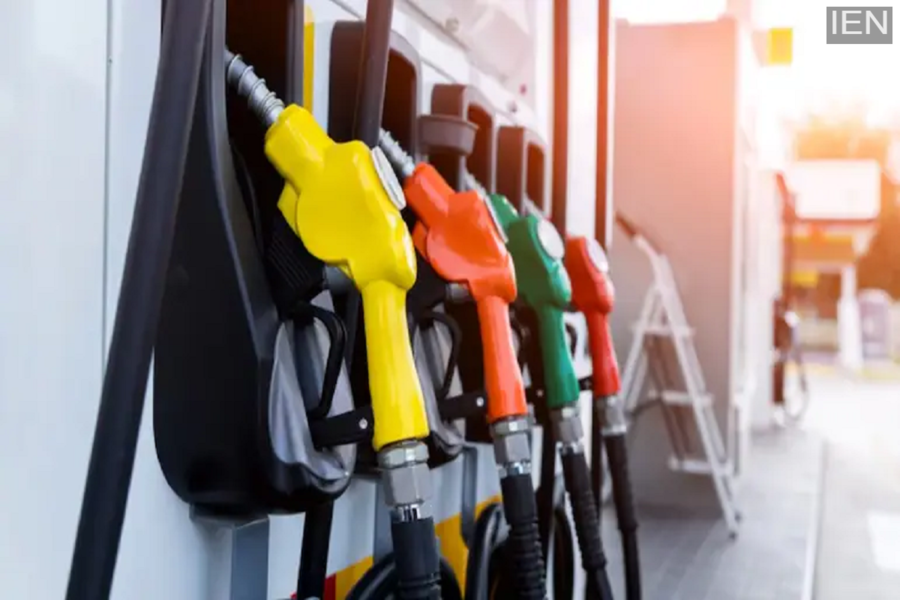
Petrol and diesel prices for March 23, 2026, have been updated across India, bringing a mix of stability and slight fluctuations depending on the city. As usual, the revised fuel rates were announced early in the morning by oil marketing companies (OMCs), reflecting ongoing changes in global crude oil prices and currency exchange movements. While several regions witnessed no major shifts, some locations experienced marginal increases or decreases due to local taxation policies.
Daily Fuel Price Updates: Why They Matter
Fuel prices in India are revised every day at around 6 AM. These updates are influenced by international crude oil benchmarks and the performance of the Indian rupee against the US dollar. Since India imports a large portion of its crude oil, even minor fluctuations in global markets or currency exchange rates can directly impact domestic fuel costs.
These daily changes play a crucial role in shaping household budgets and business expenses. Whether it’s a daily commuter, a logistics operator, or a small vendor, fuel prices affect nearly every segment of the economy. Staying informed about these updates helps consumers plan their expenses more efficiently.
Latest Petrol and Diesel Prices in Major Cities
Here are the updated fuel rates in key Indian cities for March 23, 2026:
- New Delhi: Petrol ₹94.72 | Diesel ₹87.62
- Mumbai: Petrol ₹104.21 | Diesel ₹92.15
- Kolkata: Petrol ₹103.94 | Diesel ₹90.76
- Chennai: Petrol ₹100.75 | Diesel ₹92.34
- Ahmedabad: Petrol ₹94.49 | Diesel ₹90.17
- Bengaluru: Petrol ₹102.92 | Diesel ₹89.02
- Hyderabad: Petrol ₹107.46 | Diesel ₹95.70
- Jaipur: Petrol ₹104.72 | Diesel ₹90.21
- Lucknow: Petrol ₹94.69 | Diesel ₹87.80
- Pune: Petrol ₹104.04 | Diesel ₹90.57
- Chandigarh: Petrol ₹94.30 | Diesel ₹82.45
- Indore: Petrol ₹106.48 | Diesel ₹91.88
- Patna: Petrol ₹105.58 | Diesel ₹93.80
- Surat: Petrol ₹95.00 | Diesel ₹89.00
- Nashik: Petrol ₹95.50 | Diesel ₹89.50
The variation in prices across cities is mainly due to differences in state-level taxes and transportation costs.
Why Fuel Prices Have Remained Stable Recently
Since May 2022, fuel prices in India have shown relative stability. This is largely due to tax reductions introduced by the central government and several state governments. These cuts helped cushion consumers from sharp global oil price spikes.
Although international crude oil prices continue to fluctuate due to geopolitical tensions and supply-demand imbalances, Indian retail fuel prices have not seen drastic changes in recent years. This stability has provided some relief to consumers amid broader inflation concerns.
Key Factors That Influence Petrol and Diesel Prices
Several important elements determine fuel prices in India:
1. Global Crude Oil Prices
Petrol and diesel are derived from crude oil. Any rise or fall in global crude prices directly impacts fuel costs in India.
2. Rupee-Dollar Exchange Rate
Since crude oil imports are paid for in US dollars, a weaker rupee makes imports more expensive, pushing up fuel prices.
3. Government Taxes
Both central and state governments impose taxes on fuel, which form a significant portion of the final retail price. This is why rates vary from one state to another.
4. Refining Costs
Transforming crude oil into usable fuels involves refining expenses, which depend on the quality of crude and refinery efficiency.
5. Demand and Supply Dynamics
Fuel demand often rises during peak travel seasons, festivals, or extreme weather conditions, which can lead to price increases.
How to Check Fuel Prices via SMS
Consumers can easily find the latest fuel prices using SMS services:
- Indian Oil (IOCL): Send “RSP
” to 9224992249 - Bharat Petroleum (BPCL): Send “RSP” to 9223112222
- Hindustan Petroleum (HPCL): Send “HP Price” to 9222201122
Final Takeaway
Today’s fuel price update shows a balanced trend, with most cities witnessing stability and a few experiencing slight variations. While global factors continue to influence pricing, government interventions and tax policies have helped maintain relative consistency. Keeping track of daily fuel prices remains essential for both individuals and businesses to manage their expenses effectively.
