
Fuel Price Hike Fails to Ease Pressure as Oil Companies Continue Losing Up to ₹19 Per Litre on Diesel
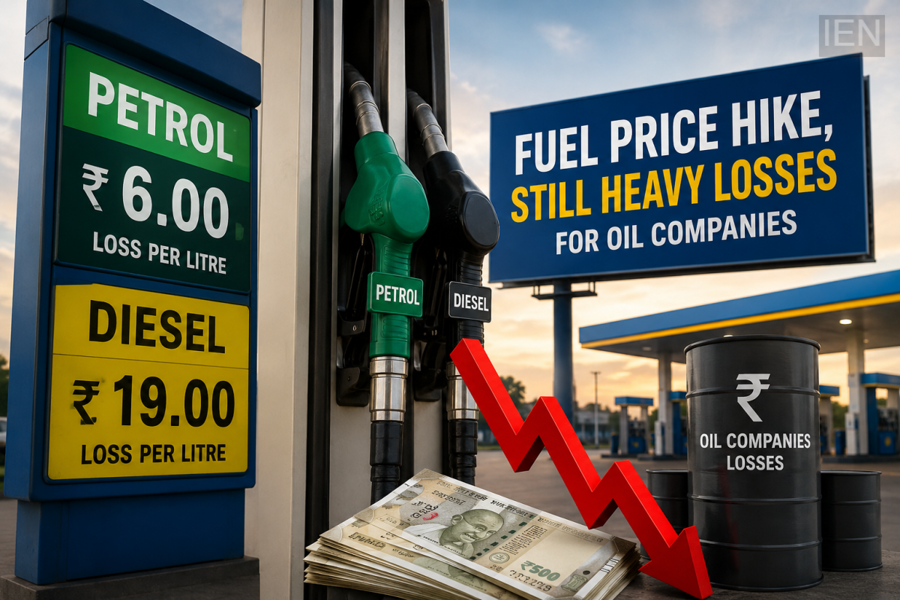
Despite the recent increase in retail fuel prices across India, state-owned oil marketing companies are still facing significant financial pressure. According to industry estimates, public sector fuel retailers continue to incur losses of around ₹19 per litre on diesel and nearly ₹6 per litre on petrol, highlighting the growing mismatch between domestic fuel prices and global crude oil costs.
The latest figures have sparked fresh discussions over fuel pricing, government taxation, and the financial health of India's oil marketing companies (OMCs), especially as international energy markets remain volatile.
Why Are Oil Companies Still Reporting Losses?
Although petrol and diesel prices were revised upward recently, the increase has not been enough to fully offset the sharp rise in the cost of crude oil and refined petroleum products in the global market.
Oil marketing companies purchase crude oil or petroleum products at international prices, process them at refineries, and then supply fuel across the country. When global prices climb rapidly but retail prices remain relatively controlled, the gap between procurement cost and selling price widens.
As a result, companies continue selling fuel below their effective cost in many cases, leading to substantial under-recoveries.
Diesel Continues to Be the Biggest Concern
Among the two major transport fuels, diesel remains the larger challenge for fuel retailers.
Current estimates indicate that companies are losing nearly ₹19 on every litre of diesel sold, making it the biggest contributor to the financial burden. Diesel accounts for a significant share of India's fuel consumption, particularly in commercial transport, agriculture, mining, logistics, and industrial operations.
Because of its high consumption volume, even a relatively small pricing gap can translate into thousands of crores of rupees in overall losses over time.
Petrol Losses Also Remain Significant
Petrol pricing has also come under pressure, although the losses are comparatively lower than diesel.
Industry estimates suggest that oil companies are currently absorbing losses of around ₹6 per litre of petrol. While private vehicle usage contributes to steady petrol demand, companies are still unable to completely recover their rising input costs under the present pricing structure.
Impact of Global Crude Oil Prices
International crude oil prices continue to play the biggest role in determining fuel economics.
Factors such as geopolitical tensions, production decisions by major oil-producing nations, shipping costs, currency movements, and changes in global demand can all influence crude oil prices. Since India imports a large portion of its crude oil requirement, fluctuations in international markets have a direct impact on domestic fuel costs.
A weaker Indian rupee against the US dollar can further increase the cost of crude oil imports, adding additional pressure on oil marketing companies.
What Does This Mean for Consumers?
At present, consumers have already witnessed an increase in petrol and diesel prices. However, the continued losses reported by oil companies indicate that pricing pressures have not completely disappeared.
Future retail fuel prices will largely depend on multiple factors, including:
-
Global crude oil price movements
-
Exchange rate fluctuations
-
Government tax policies
-
Refining and transportation costs
-
Overall market conditions
If international crude prices remain elevated for an extended period, companies may continue to face financial stress unless market conditions improve or pricing adjustments are made.
Balancing Consumer Relief and Financial Stability
Fuel pricing remains a sensitive issue because it directly affects household budgets as well as transportation and logistics costs across the economy. Policymakers often have to strike a balance between protecting consumers from sharp price increases and ensuring that oil marketing companies remain financially sustainable.
As global energy markets continue to fluctuate, the financial performance of India's oil retailers will remain closely linked to international crude prices and domestic pricing decisions. While recent fuel price revisions have provided some relief to oil companies, current estimates suggest that they are still operating under considerable pressure, particularly in diesel sales.
