
Fuel: Be careful when refuelling; otherwise, you could face a major loss!
AUTOMATIC SENSOR: Completely filling a vehicle's fuel tank can pose several risks. Overfilling the tank creates a fire hazard and can damage the fuel system.
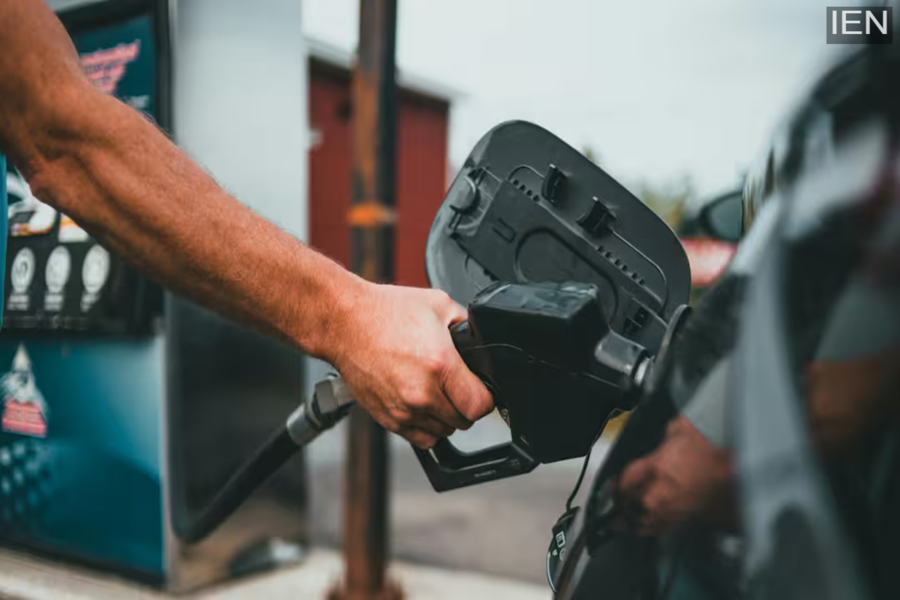
Auto-Cut: If you drive a vehicle, you have likely wondered whether or not you should keep adding petrol after the 'auto-cut' occurs. Often, when refueling your car or bike, a sudden 'click' sound comes from the fuel pump nozzle as the tank nears capacity, and the fuel flow stops. While many people stop refuelling at this point, others continue to add more fuel. Let’s understand how the auto-cut mechanism works and whether adding extra fuel afterwards is advisable.
What is Auto-Cut?
A 'click' sound from the fuel nozzle indicates that the 'auto-cut' has engaged, meaning the tank is full. The fuel pump nozzle is equipped with an automatic sensor. When the vehicle's tank is nearly full, this sensor detects the level and automatically shuts off the fuel supply. This process is known as 'auto-cut'.
The Purpose of Auto-Cut
Essentially, the purpose of the auto-cut feature is to prevent overfilling the tank and to stop fuel from spilling out. This means there is no need to add more petrol after the auto-cut engages. Whether it is a bike or a car, we often rock the vehicle to squeeze in extra fuel. While doing so might get a little more fuel into the tank, that small amount can actually cause significant damage to your vehicle.
What are the downsides of refuelling after auto-cut?
The vehicle's EVAP system can get damaged.
According to the US Environmental Protection Agency (EPA), repeatedly adding fuel after the auto-cut engages can damage the vehicle's fuel system. For instance, the Evaporative Emission Control (EVAP) system prevents harmful vapours from the fuel from escaping into the atmosphere. This system routes these vapours back to the engine via a carbon canister, where they are burned off.
Fuel System Risks
Vehicle fuel tanks are designed to retain some empty space inside. This is because fuel evaporates—turning into vapour—as temperatures rise, particularly during the summer. This process creates pressure within the tank. The remaining empty space helps accommodate this pressure. However, if you do not leave this space, the resulting pressure creates a risk of the fuel pump bursting.
