
From sweets to electronics—see the data on how the inflation landscape has shifted since last Diwali..
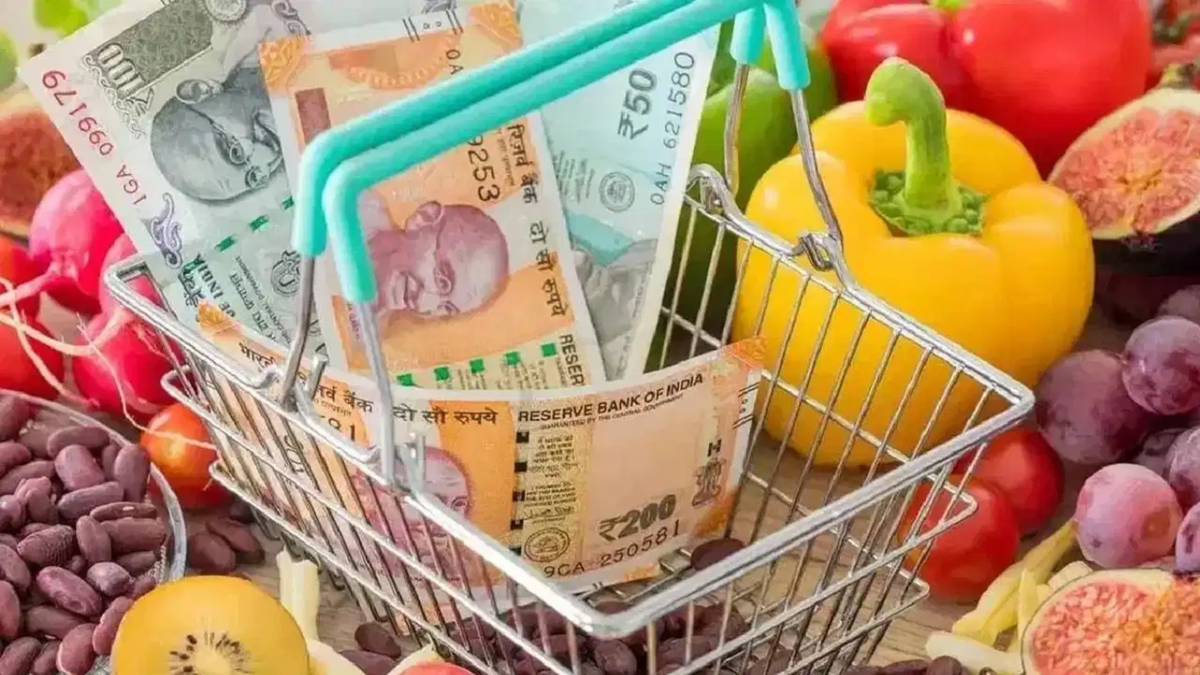
This year, the Diwali festival could weigh heavily on your pocket. Prices have risen for everything—from homemade sweets like *laddoos*, *barfis*, and *kaju katlis* to store-bought confections and dry fruits. The primary reason for this is the increase in the costs of milk, ghee, butter, and dry fruits. Ahead of the festival, dairy companies such as Amul, Nandini, and Aavin have raised the prices of several of their products. Simultaneously, the prices of dry fruits like pistachios, almonds, and cashews have also surged. This has not only disrupted the Diwali budgets of ordinary households but has also increased production costs for sweet manufacturers and businesses.
Rising prices of milk, ghee, and butter
Demand for dairy-based products typically spikes ahead of Diwali. In this context, Amul and Karnataka’s Nandini Dairy have increased the prices of several of their offerings. Aavin, a state-run dairy cooperative in Tamil Nadu, has also raised the prices of ghee, butter, curd, and various sweets. The price of a 1 kg pack of Amul ghee has gone up from ₹630 to ₹680, while a 500-gram pack of pure ghee now costs ₹345, up from ₹325. Butter has also become more expensive; a 100-gram pack of Amul butter has risen from ₹63 to ₹66, and a 500-gram pack has increased from ₹310 to ₹325.
In Karnataka, Nandini Dairy has adjusted the prices of ghee, butter, *paneer* (cottage cheese), and milk, effective from November 4. A 500 ml pack of Nandini ghee is now priced at ₹425, and a 1-liter pack at ₹850. Meanwhile, the price of 100 grams of butter has reached ₹90, and 500 grams of butter now costs ₹380. Tamil Nadu’s state-run dairy cooperative, Aavin, has also increased the prices of its products. Now, 100 milliliters of ghee is priced at ₹95 instead of ₹80, and 200 milliliters is available for ₹180 instead of ₹160.
From pistachios to almonds—dry fruits have also become more expensive.
Dry fruits are widely used in sweets and gift packs during Diwali, but their prices have risen significantly this year. According to a report by The Economic Times, the prices of some dry fruits have increased by up to 70% over the past year. Pistachios have seen the sharpest price hike, with costs rising by 60–70% compared to last year’s Diwali. Meanwhile, the price of almonds has surged by 20–40%, depending on the variety.
Peshawari pistachios, commonly used in sweets, have reached a record high of ₹4,000 per kilogram—an increase of about 40% over the last six months. Furthermore, the wholesale price of in-shell pistachios has risen by approximately 74% year-on-year, now reaching ₹1,650 per kilogram. Other dry fruits have also become costlier; over the past year, prices for cashews have risen by 5–8%, raisins by 2–5%, dates by 5–10%, and figs by 5–15%.
Rising food prices fuel concerns.
The impact of soaring food prices is also reflected in inflation data. In September 2024, retail food inflation climbed to 7.74%. Meanwhile, the overall retail inflation rate reached 5.54%—nearing the Reserve Bank of India’s upper tolerance limit of 6%. According to government data, the price of sugar saw a year-on-year increase of 29.8% in September. Meanwhile, the inflation rate for sweets made with sugar and other sugary products has also risen. The Reserve Bank of India (RBI) has expressed concern over this growing inflation. According to RBI Governor Sanjay Malhotra, the inflation rate for 37% of items exceeded 4% in August; this figure stood at 20% in March.
Electronic items have become significantly more expensive.
According to media reports, prices for electronic items—such as air conditioners, televisions, refrigerators, and washing machines—have seen an overall increase of up to 23% over the past year. Companies have raised prices three times this year in separate phases, with the most recent hike—ranging between 3% and 8%—implemented just ahead of the festive season in October 2024.
This indicates that the impact of inflation is no longer limited to a few select items; rather, many everyday goods are becoming more expensive. Consequently, people may have to spend more than before to purchase sweets, dry fruits, and gifts this Diwali.
Disclaimer: This content has been sourced and edited from TV9. While we have made modifications for clarity and presentation, the original content belongs to its respective authors and website. We do not claim ownership of the content.
