
From Electricity Theft to Billing: CAG to Audit Power Sector Nationwide
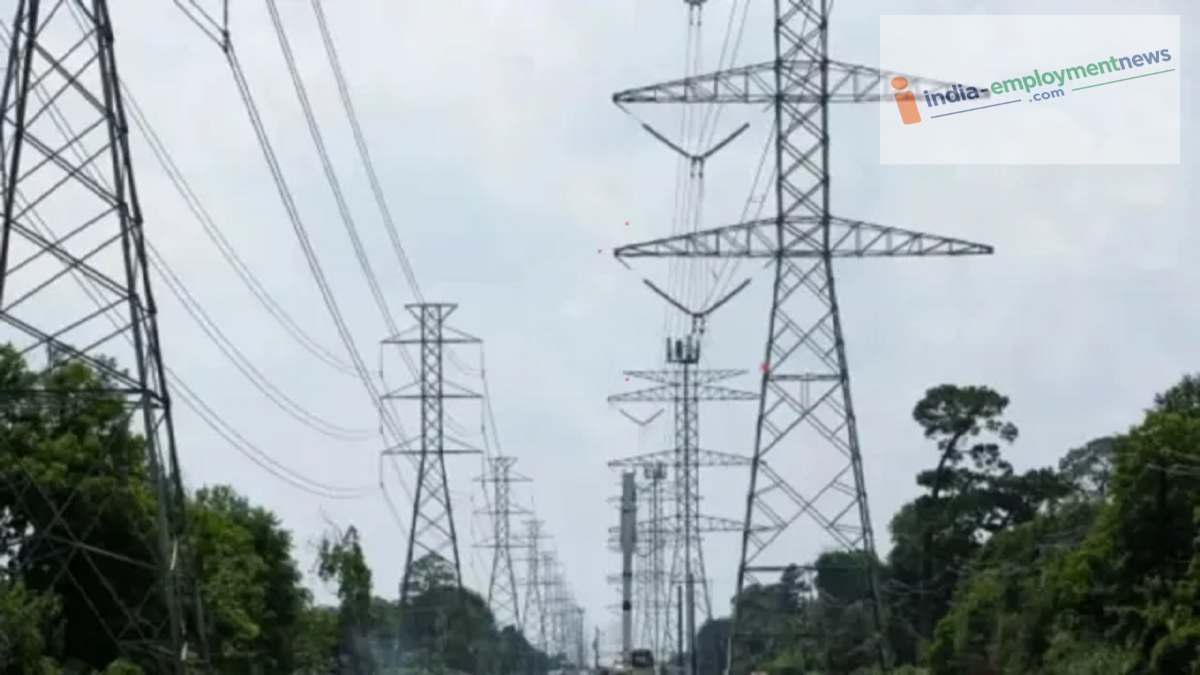
The Comptroller and Auditor General (CAG) is set to scrutinize the accounts of power companies across the country. This marks the first-ever nationwide audit of power companies, covering everything from electricity theft and billing to power supply.
The CAG has initiated an investigation into 39 state-owned power distribution companies (DISCOMs) and five power departments, examining their records over the past five years. These entities currently carry a cumulative legacy loss of ₹3.41 lakh crore and a debt burden of ₹7.26 lakh crore.
It is reported that power companies incur an annual interest expense of ₹77,653 crore. In the 2024-25 financial year, 41 DISCOMs recorded a profit of ₹32,661 crore, while 23 DISCOMs reported a loss of ₹29,959 crore.
Audit to Cover Electricity Theft and Bill Collection
The CAG’s audit will focus on key areas such as electricity theft, bill collection, metering, and power supply. Furthermore, the audit includes an assessment of the quality of electricity services and consumer satisfaction, based on feedback gathered from approximately 10,000 consumers across various categories nationwide.
The audit also encompasses an evaluation of the implementation and outcomes of the Central Government’s 'Revamped Distribution Sector Scheme' (RDSS) to accurately gauge the success of these initiatives.
Audit to be Completed Over the Next Four Years
This national-level audit will be conducted in a phased manner over the next four years. It has commenced with the DISCOMs, and will subsequently extend to the transmission, power generation, and renewable energy sectors. By the end of March 2025, the total cumulative losses of DISCOMs (electricity distribution companies) were recorded at over ₹3.41 lakh crore.
According to a preliminary report by the CAG (Comptroller and Auditor General), revenue grants have increased more than fourfold compared to capital grants. Financial assistance provided by the government is now being used primarily to cover losses, repay debts, and pay interest, rather than for investment.
Where will these reports be presented?
The state-level audit reports will be presented in the respective state legislative assemblies next year. Meanwhile, broader policy issues and systemic shortcomings will be brought to the attention of the Union Ministry of Power for policy intervention at the national level.
