
From attendance to academics… What exemptions does the DUSU President get?
The post of President is considered crucial in Delhi University’s student politics, yet many people have questions regarding exemptions—ranging from academic requirements to special rules—associated with this position.
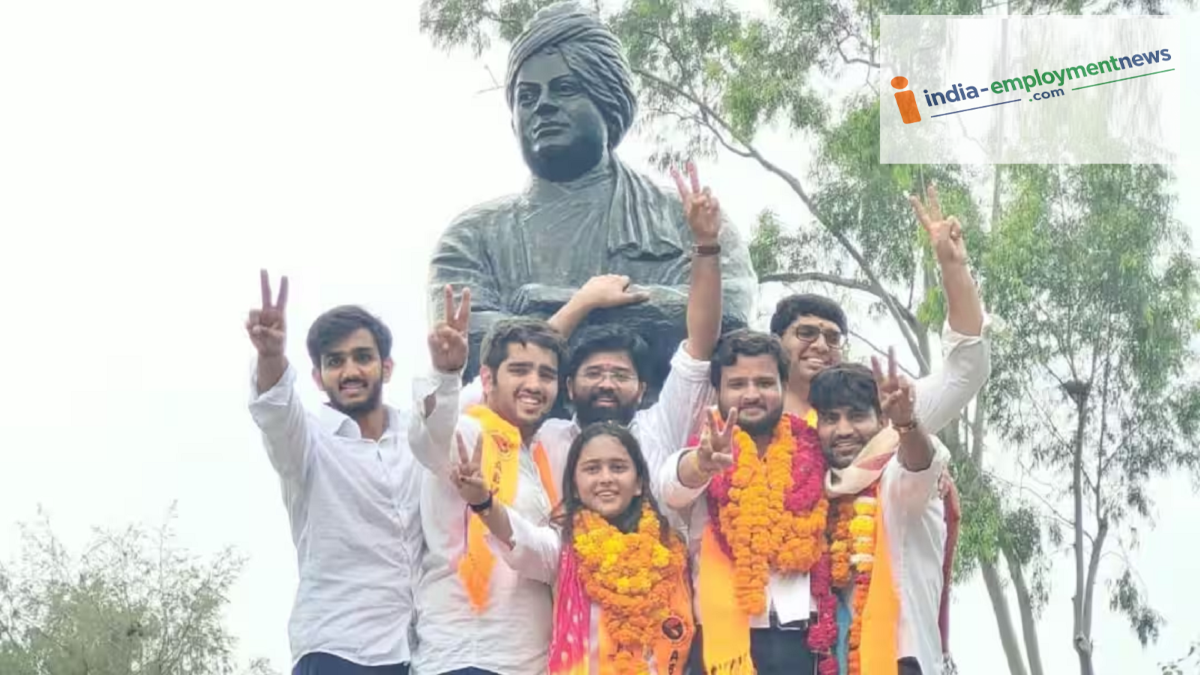
ABVP has secured victory in the Delhi University Students’ Union (DUSU) elections. ABVP’s Yash Dabas won the post of President, and the party also won the posts of Secretary and Joint Secretary. Meanwhile, an independent candidate won one of the posts. Along with the DUSU elections, various discussions regarding the President’s post have also begun.
In Delhi University’s student politics, the President’s post is highly significant, but many wonder if the office-holder receives any special exemptions regarding academics, attendance, or college rules, or if the regulations remain the same as those for an ordinary student. Let us explore whether a student leader holding the presidency gets any special leeway or if they are subject to the same rules as any other student.
75% attendance mandatory to contest elections
The Delhi High Court has already issued important directives regarding attendance for the DUSU presidential election. The Court clarified that a student with less than 75% attendance cannot contest the DUSU election. This rule is linked to the recommendations of the Lyngdoh Committee and the university’s election-related regulations. This issue arose during a previous DUSU election when Muskan, a BA Programme student at Satyavati College, was excluded from the final list of candidates. She had raised objections regarding her attendance, stating that her presence had not been recorded due to the assignment of different roll numbers. The High Court directed a re-verification of her attendance and ordered that the student be given an opportunity to present her case.
No academic exemption upon becoming President
The High Court’s directives make it clear that there is no general exemption from the attendance requirement for the DUSU President’s post. To even contest the election, a candidate must meet the eligibility criterion of having a minimum of 75% attendance. Even after winning the election, the student leader is not exempt from these rules. In other words, despite being active in student politics, the university’s prescribed academic regulations apply to the President as well.
What facilities does the President receive?
The DUSU President does not receive a salary; the position is honorary. However, the President plays a crucial role in the functioning of the student union and in decisions regarding the union fund. A union office is provided on campus for the DUSU President, serving as the hub for student union activities and meetings. Additionally, representatives may receive facilities related to travel and other arrangements while carrying out union work or participating in university-related events. The President is also responsible for raising student issues with the university administration and engaging in dialogue with them; consequently, the position is considered a key channel of communication between the students and the administration.
The DUSU President has access to the union fund
There is no salary attached to the post of Delhi University President, but the President does have access to the union fund. However, the union fund is not the President’s personal income; the money is utilized for student union activities and student welfare initiatives. The fund covers expenses for cultural events, student welfare, sports activities, academic programs, and administrative costs. Its utilization is subject to university oversight and auditing procedures.
What privileges does the DUSU President enjoy?
The DUSU President is provided with an official office on campus and has the opportunity to represent students in administrative meetings. Furthermore, the President receives administrative support to advance initiatives for the benefit of students. Perhaps the most significant power held by the DUSU President is the ability to engage in direct dialogue with the university administration.
