
Filed your ITR on time but haven't even received an SMS about the refund? Check these things immediately..
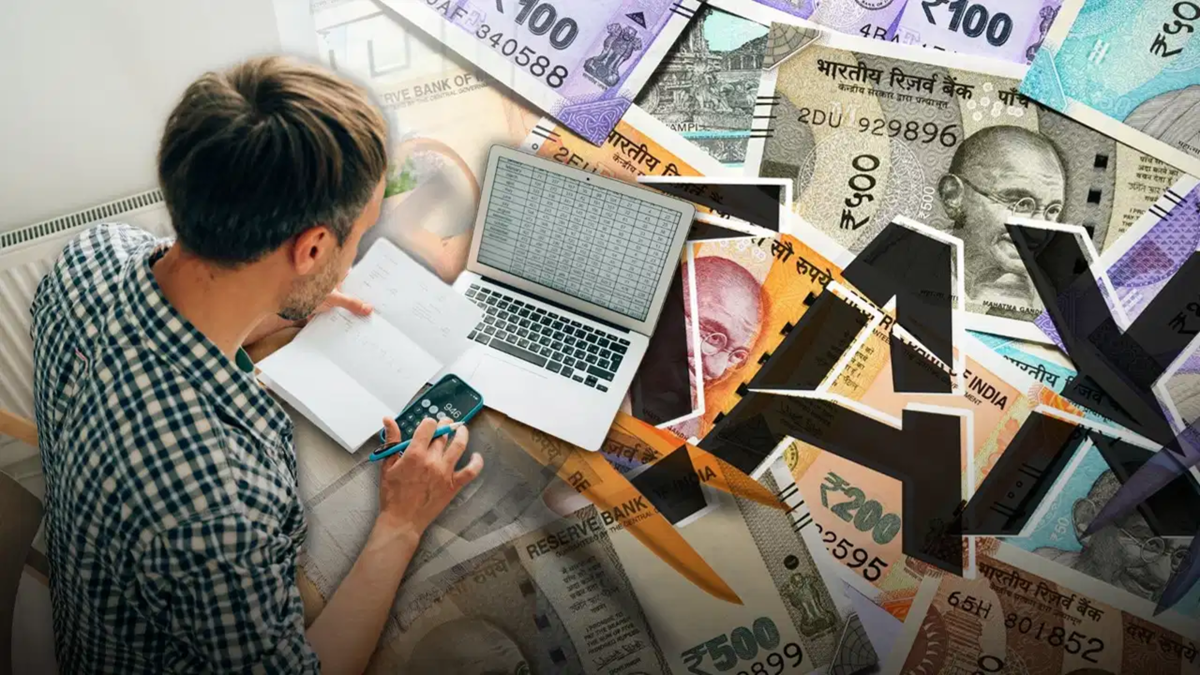
After filing an Income Tax Return (ITR), every taxpayer eagerly awaits their refund. Sometimes, despite filing and processing the return, the refund amount does not reach the bank account. There is no need to panic in such situations; there could be several minor reasons why a refund gets delayed or stuck. These include issues with bank account details, ITR verification, outstanding tax dues, or discrepancies in TDS information. If you haven't received your refund yet, visit the Income Tax e-filing portal and check these five important things.
**Are the bank account details correct?**
A major reason for not receiving a refund could be an issue related to the bank account. First, check whether your bank account is pre-validated on the Income Tax portal. Also, verify if the name registered with the bank account matches the name on your PAN card. Issues such as a closed account, an incorrect IFSC code, or outdated account information can hinder the refund process. Therefore, it is crucial to carefully check your bank details.
**Has the ITR been e-verified?**
Merely filing the ITR is not enough; completing the e-verification of the return is also mandatory. You can verify your ITR using Aadhaar OTP, net banking, or other available methods. Failure to verify on time can cause problems in processing the return and lead to a delayed refund. Therefore, you should visit the portal and check your ITR verification status immediately.
**Are there any outstanding tax dues?**
Sometimes, the refund isn't actually stuck; instead, the amount is being adjusted against outstanding tax dues from a previous period. If the Income Tax Department finds tax arrears from a past year, it may adjust your current refund against that outstanding amount. You might also receive a notification from the department in such cases. If you see any such notice on the portal, read it carefully and respond as required. Check TDS in Form 26AS and AIS
The TDS amount claimed in your ITR must match the figures recorded in Form 26AS and AIS. For instance, if TDS was deducted from your salary or other income but the tax records show a different figure, the processing of your return could be affected.
Therefore, cross-verify the TDS details declared in your ITR with Form 16, Form 26AS, and AIS. If there is any discrepancy, it may need to be rectified promptly.
Check the ITR processing status
Taxpayers often wait for a refund simply by checking their bank account, whereas the actual status is visible on the Income Tax portal. Visit the e-filing portal and check your ITR status under the 'View Filed Returns' section. This will let you know whether the return has been processed or is awaiting further action. If the status shows a message like "Refund Failed," you can request a re-issuance of the refund via available options after correcting your bank details.
What to do if there is a delay in the refund?
First, instead of panicking, check the complete status of your ITR. Ensure there are no errors regarding bank account details, e-verification, outstanding tax dues, or TDS information. Do not ignore any notices or messages regarding further action from the Income Tax Department. Also, keep in mind that in certain situations, you may be eligible for interest under Section 244A if there is a delay in the refund; however, eligibility for interest and the duration for which it is calculated depend on the facts of the case and applicable rules. Understand it simply:
If you haven't received your refund after filing your ITR, check these 5 things first:
Bank account details and pre-validation
ITR e-verification status
Any outstanding tax dues or notices under Section 245
Discrepancies between Form 26AS, AIS, and TDS data
ITR processing and refund status
Checking these aspects can largely help you identify why your refund is delayed and determine the next steps to take.
Disclaimer: This content has been sourced and edited from TV9. While we have made modifications for clarity and presentation, the original content belongs to its respective authors and website. We do not claim ownership of the content.
