
Fertilizer Subsidy Shock: Farmers Getting ₹4,500 Fertilizer Bags for Just ₹300, Government May Double Support
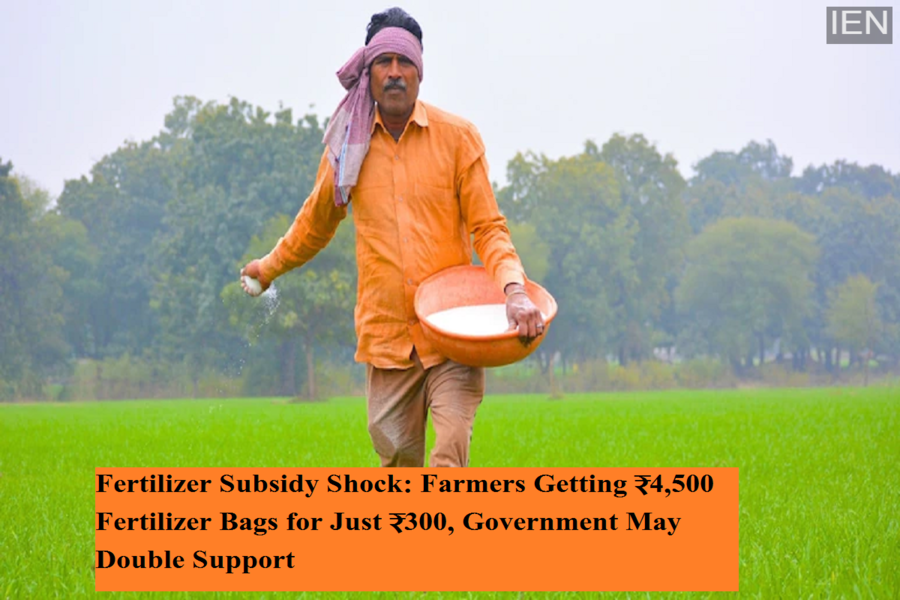
Fertilizer Subsidy News: Amid rising global tensions and soaring input costs, India's fertilizer subsidy bill is expected to witness a massive increase this financial year. According to government sources, the total subsidy burden on fertilizers could climb to nearly ₹3.4 lakh crore, almost double the amount allocated in the Union Budget 2026-27.
The development comes as international fertilizer prices continue to rise sharply due to supply disruptions, geopolitical uncertainties, and higher production costs. Despite the surge in global prices, the Indian government continues to provide fertilizers to farmers at highly subsidized rates, ensuring that agricultural production remains affordable.
Farmers Still Paying Just ₹300 for Fertilizer Bags
One of the biggest reasons behind the growing subsidy burden is the widening gap between the actual cost of fertilizers and the price paid by farmers.
Government sources indicate that the cost of producing or importing a fertilizer bag has increased dramatically over the past few years.
Fertilizer Cost Then vs Now
| Period | Approximate Cost per Bag |
|---|---|
| Post-COVID Period | ₹2,900 |
| Current Cost | ₹4,500 |
Despite this sharp increase, farmers continue to receive fertilizer at around ₹300 per bag, which is largely unchanged from previous years.
This means the government is absorbing nearly ₹4,200 per bag as subsidy support.
In simple terms, the subsidy amount on a single fertilizer bag is now significantly higher than the price paid by farmers, making fertilizer one of the most heavily subsidized agricultural inputs in the country.
Global Crisis Driving Up Fertilizer Prices
The fertilizer market has come under pressure due to several international developments.
Key Factors Behind Rising Costs
-
Geopolitical tensions in major producing regions
-
Supply chain disruptions
-
Higher energy and natural gas prices
-
Reduced availability from global fertilizer exporters
-
Increased transportation and logistics expenses
These factors have pushed fertilizer prices to record levels in international markets, increasing the financial burden on importing nations such as India.
Budget Allocation May Fall Short
In the Union Budget 2026-27, Finance Minister Nirmala Sitharaman allocated approximately ₹1.71 lakh crore for fertilizer subsidies.
However, the latest estimates suggest that this amount may be insufficient to meet the growing subsidy requirement.
Budget vs Estimated Requirement
| Category | Amount |
|---|---|
| Budget Allocation | ₹1.71 Lakh Crore |
| Estimated Requirement | ₹3.40 Lakh Crore |
| Additional Requirement | Nearly ₹1.70 Lakh Crore |
Officials are reportedly seeking substantial additional funding to ensure uninterrupted fertilizer supply at subsidized rates.
Why the Subsidy Is Important for Farmers
Fertilizer subsidies play a critical role in supporting India's agricultural sector.
Without government assistance, farmers would have to purchase fertilizers at international market prices, significantly increasing cultivation costs.
The subsidy helps:
-
Reduce farming expenses
-
Protect farmers from global price shocks
-
Support food production
-
Maintain crop profitability
-
Ensure affordable food supplies for consumers
Agriculture experts believe that removing or significantly reducing subsidies at a time of elevated global prices could negatively affect crop output and farmer incomes.
Impact on Government Finances
While the subsidy provides crucial relief to farmers, it also places considerable pressure on government finances.
A subsidy bill approaching ₹3.4 lakh crore would become one of the largest agricultural support expenditures in recent years. Policymakers will need to balance farmer welfare with fiscal management as global commodity prices remain volatile.
The final subsidy requirement will depend on factors such as international fertilizer prices, import costs, currency movements, and future geopolitical developments.
What Farmers Should Expect
For now, farmers are unlikely to see any immediate increase in fertilizer prices. The government's priority remains ensuring adequate availability of fertilizers during the agricultural season while protecting farmers from rising global costs.
However, industry observers will be closely monitoring future budget revisions and subsidy announcements as authorities assess the growing financial burden.
SEO Title
Fertilizer Subsidy May Double to ₹3.4 Lakh Crore as Farmers Continue Getting ₹4,500 Bags for Just ₹300
