
FD vs. Bonds: Where should you invest amidst the stock market slump? Find out which is better—FDs or bonds..
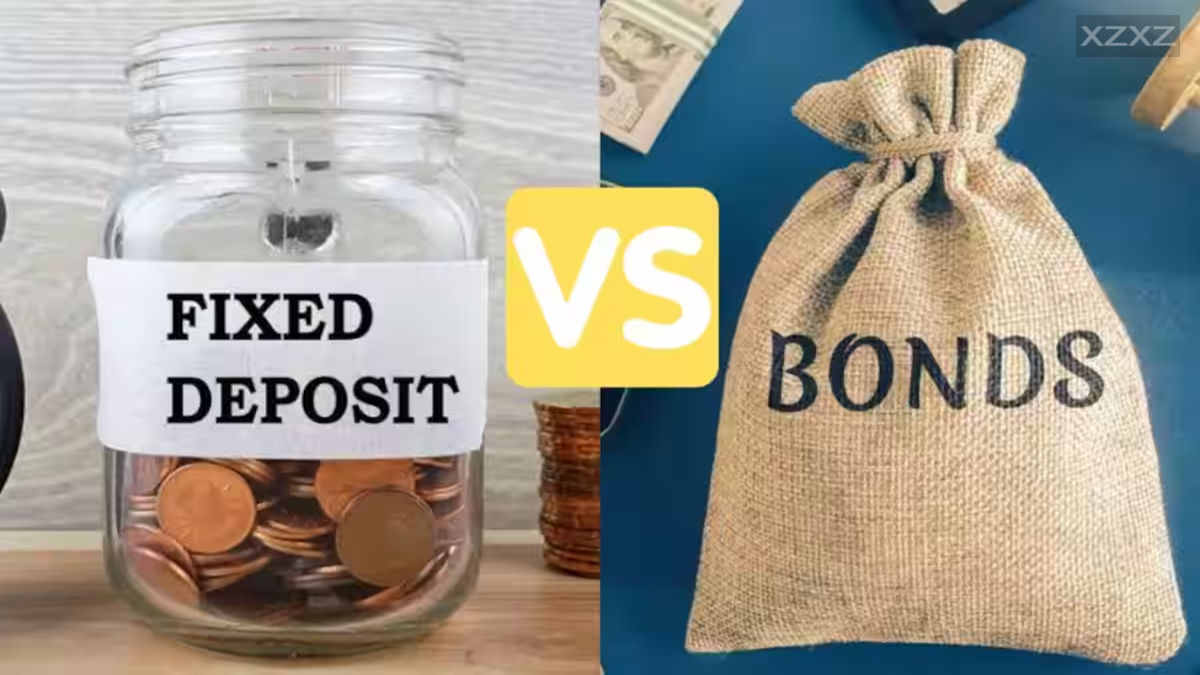
FD vs. Bonds: Following the stock market decline, investors are exploring alternative options, including Fixed Deposits (FDs) and bonds. Both offer opportunities to earn returns, though they come with distinct advantages and risks. Experts advise assessing your specific needs before choosing between the two. Factors such as when you need the funds, your risk tolerance, and your investment goals will help guide your decision.
In September, the Nifty 50 fell by 6.06%. Amidst this market downturn, the RBI raised the repo rate from 5.25% to 5.50%. Consequently, investor interest in fixed-income instruments like FDs and bonds has intensified.
FDs vs. Bonds: Where should you invest?
According to Saurabh Jain, Co-founder and CEO of Stable Money, FDs have long been a preferred choice for investors. They involve depositing money for a fixed tenure in exchange for interest earned under predetermined terms. Bonds, on the other hand, offer new avenues for fixed-income investment. While they may yield higher returns, it is crucial to understand the associated risks.
Jain notes that FDs and bonds are not identical; the better option depends on the investor's goals, investment horizon, and liquidity needs. Currently, corporate bonds offer returns ranging from approximately 11% to 15%, depending on the risk profile, whereas FD interest rates generally fall within the 6–8% range.
FDs are suitable if you need to set aside funds for emergencies, as the investment tenure and interest rates are known upfront. Bonds, meanwhile, serve as an option for those seeking to diversify their fixed-income portfolio.
What to look for in government securities?
Sourav Ghosh, co-founder of Jiraaf, states that looking solely at returns is insufficient when investing in bonds; it is equally important to understand the risks of capital loss or price depreciation. Government securities come with a government guarantee, resulting in lower credit risk. Conversely, while corporate bonds may offer higher returns, they carry risks linked to the issuing company's financial health.
According to Ghosh, the prices of government securities can fluctuate with changing interest rates—an impact that is often more pronounced for long-term bonds. Investors may face losses if they sell these bonds before maturity.
Are corporate bonds a better option?
Ghosh advises examining a company's earnings, cash flow, and debt profile before purchasing corporate bonds. It is crucial to assess whether the company is capable of timely interest and principal repayments. Additionally, one should verify the security or collateral backing the bond. While credit ratings provide insight into a company's standing, investment decisions should not be based on ratings alone.
Saurabh Jain also recommends that investors evaluate the issuing company's financial health, credit rating, and liquidity. Furthermore, one should consider the ease with which the bond can be sold if the need arises and understand how interest rate fluctuations might affect its price.
FDs or bonds: Which should you choose?
The choice depends on your specific needs. If you require funds for emergencies, a fixed deposit (FD) with a premature withdrawal facility might be useful. However, be aware that premature closure of an FD could attract penalties or result in lower interest earnings; therefore, it is advisable to review the bank's terms and conditions beforehand.
According to Ghosh, funds that are not immediately required can be invested in fixed-tenure bonds. You can choose the timing of interest payouts from bonds to align with your regular expenses.
They advise that one should always consider the post-tax return before investing. Additionally, compare factors such as the bond's credit quality, maturity, and liquidity (the ease of withdrawing funds when needed). Making a decision based solely on high returns can lead to problems.
Disclaimer: This content has been sourced and edited from Money Control. While we have made modifications for clarity and presentation, the original content belongs to its respective authors and website. We do not claim ownership of the content.
