
FD Break Rules: Thinking of breaking your FD in an emergency? Find out how much the bank charges as a penalty..
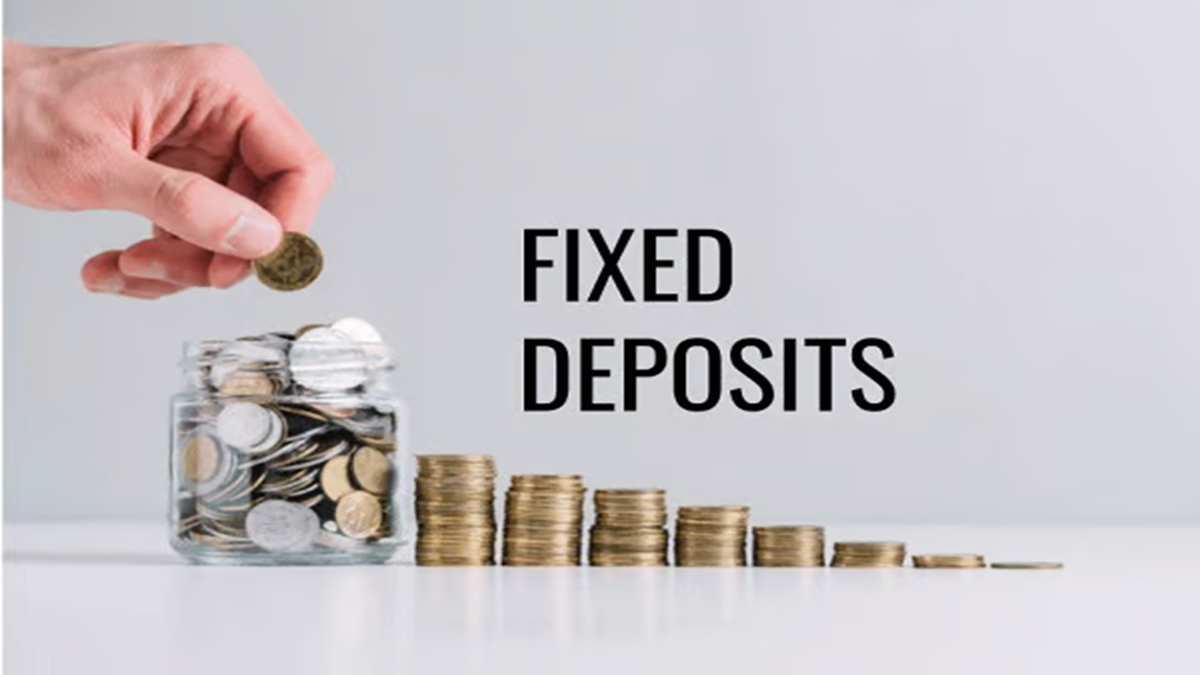
Premature FD Withdrawal: Fixed Deposits (FDs) have long been considered a safe investment offering guaranteed returns. Along with senior citizens, many others invest in them without worry to earn lump-sum interest from the bank. However, when a financial emergency arises, people often turn to their FDs first to meet their cash needs. Yet, withdrawing money from an FD before maturity can result in significant financial loss.
If you are considering closing your FD prematurely, it is important to understand how banks adjust interest rates, how penalties are determined, and what alternatives exist to avoid such losses.
Why does the original interest rate drop?
When you prematurely withdraw funds from an FD, the bank does not pay the interest rate originally agreed upon at the time of opening the account. Instead, the bank calculates returns based on the interest rate applicable for the specific duration the money actually remained in the FD.
Consider this example: Suppose you opened an FD for three years at an interest rate of 7%, but needed the money after just one year. In this case, the bank will not pay the 7% rate meant for a three-year term; instead, it will apply the rate that was valid for a one-year FD. Consequently, your return will be calculated at 6% rather than 7%.
The double blow of premature withdrawal penalties
In addition to applying a lower interest rate, banks also levy a penalty for closing an FD before maturity. Typically, banks charge a penalty ranging from 0.5% to 1% on the applicable interest rate.
For instance, if the rate for a one-year FD was 6% and the bank's penalty is 1%, you would earn only 5% interest. This significantly reduces your total earnings compared to what you had anticipated.
Rules vary depending on the bank and the type of FD (such as tax-saving FDs). Therefore, always check the bank's penalty clauses before deciding to break your FD.
What if you don't need the entire amount? If you do not need the entire FD amount, breaking the FD completely is not a wise move. You might consider these alternatives:
Loan or Overdraft against FD: Banks offer a loan or overdraft facility of up to 90% of your total FD amount.
What is the benefit? Your FD remains active and continues to earn interest. You only pay interest on the amount you have borrowed. Make your decision by comparing the interest payable on the loan against the financial loss incurred by breaking the FD.
3 things to consider before breaking your FD
If you are about to close your FD due to an emergency, check these three things immediately:
Revised Interest Rate: What is the applicable interest rate for the tenure the FD was held?
Penalty Charges: What percentage is the bank deducting as a penalty?
Loan Option: Would the cost of taking a loan or overdraft be lower than the loss incurred by breaking the FD?
Overall, while an FD is a good source of funds during emergencies, premature withdrawal reduces your returns. The easiest way to avoid this loss is to keep a portion of your total investment in a savings account or liquid funds, so you do not have to break your FD unnecessarily.
Disclaimer: This content has been sourced and edited from Money Control. While we have made modifications for clarity and presentation, the original content belongs to its respective authors and website. We do not claim ownership of the content.
