
Failure to replace an old number plate could result in a fine of up to ₹10,000; vehicle owners should know the rules immediately.
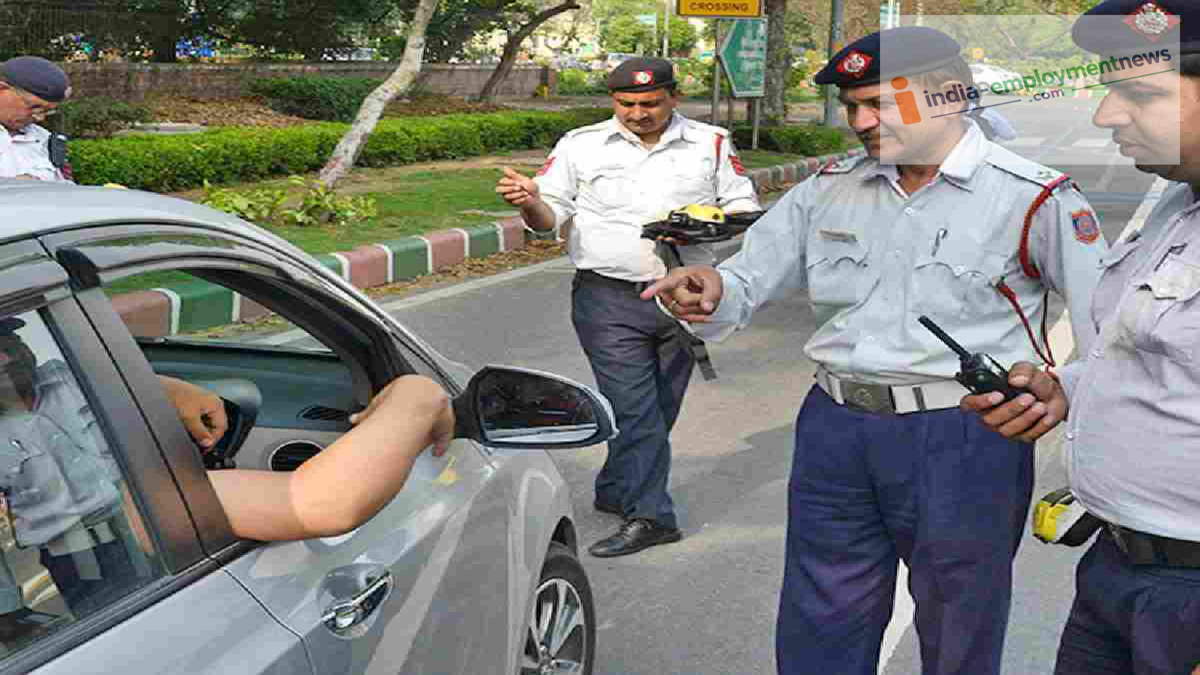
If you drive a vehicle but your number plate is old or damaged, get it replaced as soon as possible; otherwise, you could face a fine.
People often prefer using their personal vehicles for everything from running errands to commuting to work. However, hitting the road requires adherence to certain essential rules. While many believe that simply carrying a driving license and wearing a helmet or seatbelt covers all the requirements, paying attention to the vehicle's number plate is equally crucial.
In reality, many people continue driving with old number plates, unaware that doing so could prove costly. Specific regulations regarding High-Security Registration Plates (HSRP) apply to vehicle owners, and it is important to be fully informed about them.
Could you face a fine?
An old or damaged number plate can lead to trouble. If your vehicle lacks an HSRP or a plate that meets the prescribed standards, you could be fined between ₹5,000 and ₹10,000. Under Rule 50 of the Central Motor Vehicles Rules (CMVR), installing an HSRP is mandatory. It is particularly important to note that this rule applies to vehicles registered before April 1, 2019. Therefore, if your vehicle still has an old number plate, replacing it with an HSRP is essential.
What makes it special?
The High-Security Registration Plate (HSRP) is distinct from standard plates. It is made of aluminum and features a unique 10-digit code. A key feature is that the plate cannot be easily tampered with, removed, or replaced. The primary purpose of the HSRP is to help prevent vehicle theft and fraud. If someone is caught with an old number plate, a fine of up to ₹5,000 can be imposed for the first offense, while a fine of up to ₹10,000 can be levied for a second offense.
