
Explained: How expensive is it to deliver PNG to homes? Is this the actual cost of a single connection?
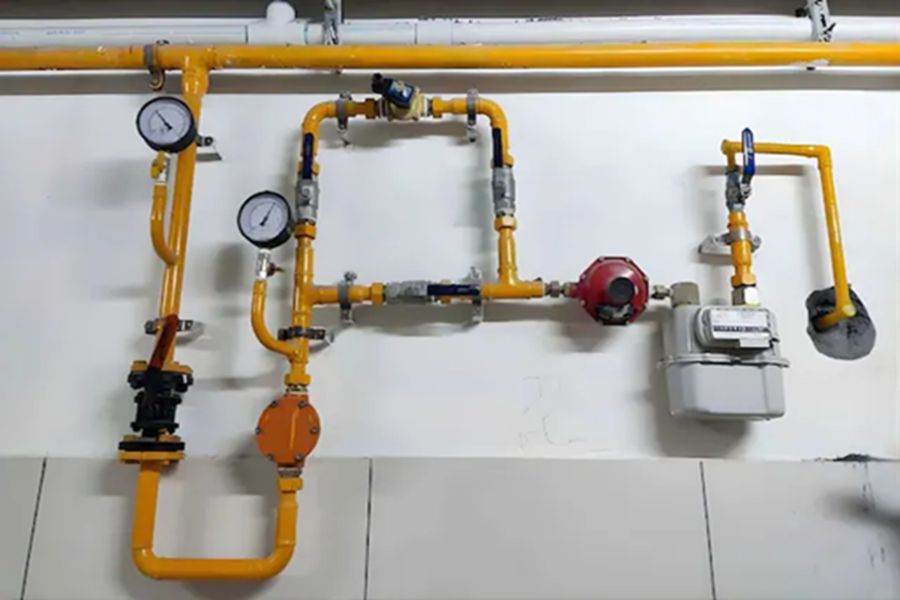
LPG supplies in India have been disrupted due to the conflict involving the US, Israel, and Iran. The government is taking every possible measure to meet the needs of the people across the country. Recently, the government requested commercial LPG consumers in major cities and urban areas to switch to PNG. Before this, the Government of India wrote to all states, requesting that all pending permissions for laying pipelines be granted immediately. Furthermore, new applications are to be approved within 24 hours.
Why, amidst an LPG shortage, is the government placing such strong reliance on PNG? How does PNG differ from LPG? Are India's PNG reserves sufficient? How beneficial is it for the average consumer? Additionally, we will explore the costs involved in laying PNG pipelines and obtaining a connection.
What is the difference between LPG and PNG?
LPG stands for Liquefied Petroleum Gas; it is supplied in cylinders and consists primarily of propane or butane. In contrast, PNG stands for Piped Natural Gas, which is delivered directly to homes via pipelines. It consists mainly of methane. LPG is heavier than air, and consumers constantly face the anxiety of the cylinder running out. It also carries a higher risk of fire hazards. PNG, on the other hand, is lighter and safer; in the event of a leak, it dissipates into the air almost immediately. Moreover, the supply remains uninterrupted at all times.
Does India have sufficient PNG reserves?
India imports 60 percent of its LPG requirements, 90 percent of which arrives via the Strait of Hormuz. PNG supply in India, conversely, relies primarily on two sources: domestic production and the import of natural gas. Approximately half of the country's demand is met through onshore and offshore gas reserves, where gas is produced by both state-owned enterprises—such as ONGC—and private sector companies like Reliance Industries. The remaining demand is met through the import of LNG (Liquefied Natural Gas), which is procured from abroad, regasified, and then distributed to consumers via pipelines. Currently, the government asserts that there are sufficient reserves of both PNG and LPG available to meet the needs of domestic consumers within the country.
Why is the government emphasizing a shift to PNG? The Government of India is encouraging consumers to switch to PNG because it is a safer, more convenient, and environmentally friendly fuel compared to LPG. PNG is lighter than air; therefore, if a leak occurs, it disperses quickly, thereby minimizing the associated risk. It offers a continuous supply via pipelines, eliminating the inconvenience of running out of gas cylinders. Furthermore, billing is based on meter readings, allowing consumers to keep their expenses under control. PNG generates less pollution, and the government aims to strengthen the country's energy security by expanding its usage. Additionally, since the supply is delivered via pipelines, there is no risk of black market.
How is PNG more beneficial than LPG?
For domestic consumers, PNG proves to be advantageous over LPG in several ways. Its greatest benefit is convenience, as PNG is delivered directly to the home via pipelines, eliminating the hassle of running out of cylinders or having to book refills repeatedly. It is also considered safer because, in the event of a leak, it disperses rapidly into the air, whereas LPG tends to settle near the ground, potentially increasing the risk of accidents. In terms of cost, PNG is also superior, as consumers pay only for the exact amount of gas consumed, based on meter readings. Moreover, PNG generates less pollution, making it a more environmentally friendly choice.
Cost of Laying PNG Pipelines
According to the Ministry of Petroleum, the estimated cost of laying steel pipelines for PNG distribution can be approximately ₹1 crore per kilometer. Additionally, the cost for MDPE pipelines (plastic pipes) can range up to approximately ₹0.15 crore (₹15 lakhs) per kilometer. Steel pipelines are more expensive, whereas plastic pipelines are significantly more affordable. However, the actual cost depends on factors such as location, capacity, materials used, and the overall size of the project. The task of laying gas pipelines is primarily undertaken by gas distribution companies. Once the pipelines are laid, individual gas connections are provided to households.
Cost of Obtaining a Connection
According to Indraprastha Gas Limited—the company responsible for supplying PNG in Delhi—obtaining a new domestic PNG connection typically costs between ₹5,000 and ₹7,000. This amount serves as a security deposit, which is refundable later, and covers installation as well as necessary equipment. If paying the full amount upfront is difficult, some companies also offer an easy installment (EMI) option—typically ranging from ₹100 to ₹500 every two months. Furthermore, a connection can also be obtained by paying a lower initial amount, followed by a daily charge of approximately ₹1 plus GST.
Disclaimer: This content has been sourced and edited from TV9. While we have made modifications for clarity and presentation, the original content belongs to its respective authors and website. We do not claim ownership of the content.
