
Even with a passport and visa, the government can stop you at the airport; know the rules for traveling abroad.
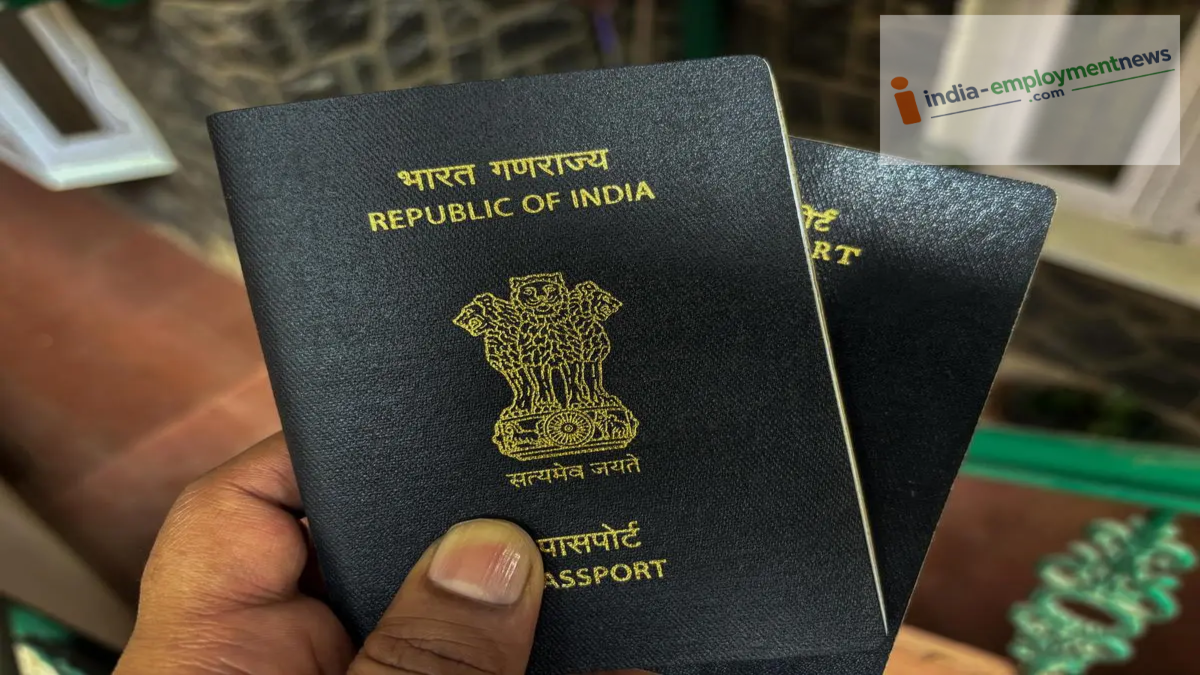
Before traveling abroad, ensure that details such as your date of birth and place of birth are correct in your passport and other documents. Any discrepancies can lead immigration officials at the airport to halt your travel—as happened in the case of Sourav Das.
If you are planning to travel abroad for leisure, studies, or work, carefully verify the information in your passport alongside your flight tickets and visa. Discrepancies in details like your date of birth or place of birth—across your passport, Aadhaar card, or other documents—can cause trouble at the airport. In some instances, even if you possess a valid passport and visa, you may still be prevented from traveling abroad for legal reasons.
Recently, Sourav Das, a leader of the newly formed 'Cockroach Janata Party' (CJP), claimed that he was stopped at the Delhi airport while en route to the United Kingdom on November 23. According to him, an error was identified regarding his place of birth as recorded in his passport. Subsequently, the Chennai Passport Office issued a 'show-cause' notice, requiring him to provide a response within seven days.
Under what circumstances can a passport be impounded?
Under Section 10(3) of the Passports Act, 1967, passport authorities may impound or revoke a passport under certain conditions. These include providing false information, concealing material facts, or matters concerning national security or public interest. However, a passport cannot be impounded for every minor error; authorities must consider the gravity of the mistake and the intent behind it.
Why might your travel be halted even with a valid passport?
Possessing a valid passport and visa does not guarantee permission to travel abroad in every situation. For instance, if there is a court order against you or a 'Look Out Circular' (LOC) has been issued, immigration officials can prevent you from leaving the country. Furthermore, an LOC allows authorities to alert airports and other exit points regarding your status.
A 'Show-Cause' Notice Does Not Imply a Travel Ban
Under legal provisions, the receipt of a 'show-cause' notice does not mean that one's passport has been cancelled or that a ban on foreign travel has been imposed. In fact, it serves to provide the individual concerned with an opportunity to present their side of the matter. For any action to be taken regarding a passport, authorities are required by law to issue a separate, specific order.
What Can Be Done in Case of a Restriction?
In the case of *Maneka Gandhi v. Union of India* (1978), the Supreme Court held that the right to travel abroad is a component of personal liberty under Article 21 of the Constitution. Consequently, the passport authority is obligated to state the reasons for any proposed action and must provide a reasonable opportunity for the individual to respond.
If an individual is wrongfully prevented from travelling abroad, they may file an appeal with the relevant appellate authority under Section 11 of the Passports Act. Furthermore, if the action appears to be arbitrary or unlawful, one may also approach the High Court under Article 226 of the Constitution.
