
Ethanol Stove vs. LPG: Is a Major Shift Coming to the Kitchen? Find Out How Ethanol Differs from—and Is Cheaper Than—Gas Cylinders..
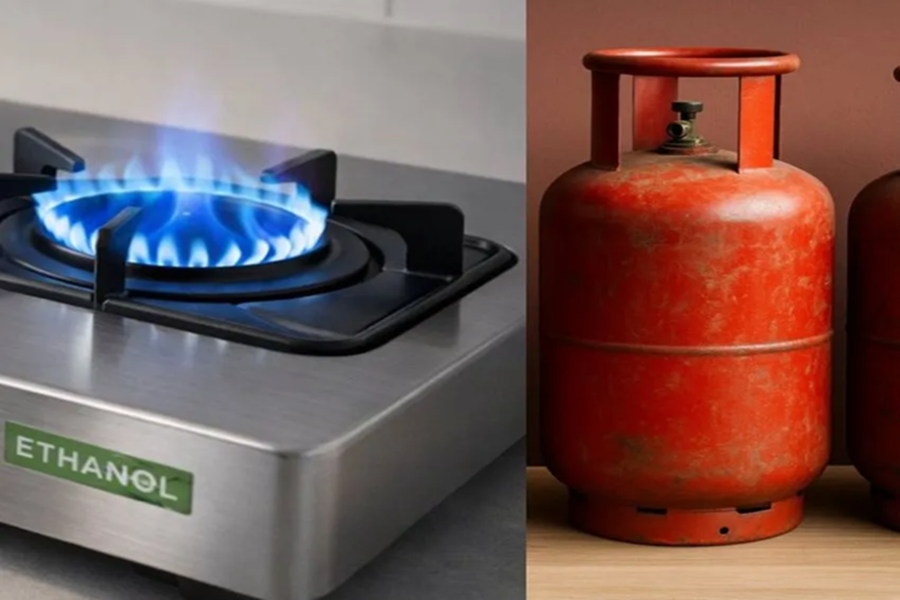
In most Indian households, LPG gas cylinders are used for cooking. However, an ethanol-based stove is now gaining significant attention. It is being hailed as the cooking technology of the future. It is claimed that this stove could be less expensive than LPG and also generates less pollution.
This stove operates on ethanol fuel. Ethanol is a biofuel produced from crops such as sugarcane, maize, and sweet sorghum. This is precisely why it is considered more environmentally friendly than traditional gas fuels.
**How Does the Ethanol Stove Work?**
The ethanol stove is a modern appliance that utilizes ethanol in either liquid or gel form. It features a small built-in fuel tank, which is where the ethanol is stored.
When ignited, it produces a strong flame without generating any smoke or soot. According to reports, it can reach temperatures ranging from 700 to 800 degrees Celsius. Its flame is considered to be quite similar to that of LPG, allowing food to cook quickly.
While its design may resemble that of older kerosene stoves, it incorporates modern burner technology designed to ensure efficient fuel consumption.
**How Much Cheaper Could It Be Compared to LPG?**
The most discussed aspect of the ethanol stove is its cost-effectiveness. Reports suggest that just one liter of ethanol can provide a continuous flame for approximately 15 hours.
For this reason, it is being touted as a more economical alternative compared to LPG cylinders. Union Minister Nitin Gadkari has also stated that a flame similar to that of LPG can be generated by mixing 7 percent ethanol with water.
However, this technology is currently still in its nascent stages. A clear picture regarding its large-scale supply and pricing has yet to emerge. Experts believe that if ethanol can be made available at affordable rates, it could become a major alternative for the general public.
**Why Is It Considered Better for the Environment?**
LPG is a fossil fuel, whereas ethanol is derived from plants. For this very reason, it is also referred to as a "green fuel." Burning ethanol produces very little smoke or soot. This keeps the kitchen air clean and helps reduce pollution. Furthermore, the risk of accidents—such as gas leaks—is reported to be relatively lower, particularly when ethanol is utilized in a gel form.
**Further Testing Awaited**
Although there are high hopes surrounding ethanol stoves, this technology is currently still in the testing phase. Further work is underway regarding its safety, fuel supply logistics, and actual costs before it can be deployed on a large scale.
If this technology proves successful in the future, it could bring about a significant transformation in Indian kitchens.
Disclaimer: This content has been sourced and edited from Amar Ujala. While we have made modifications for clarity and presentation, the original content belongs to its respective authors and website. We do not claim ownership of the content.
