
Ethanol: Fears over E20 drive up premium petrol sales; report reveals surge
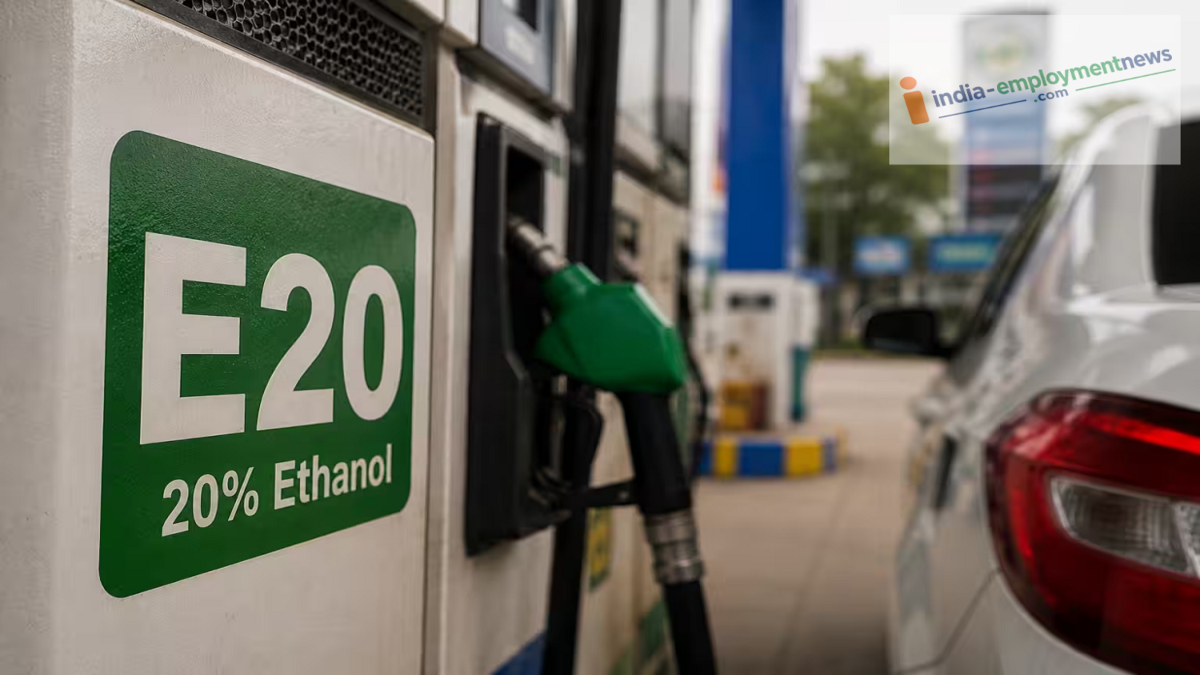
E20 vs. XP100: The price of 100-octane premium petrol is significantly higher than that of regular fuel. Despite this, consumers are not hesitating to purchase it, driven by concerns that E20 fuel could damage their vehicle engines.
Ethanol: Sales of 100-octane premium petrol have more than doubled in recent months across major Indian cities like Delhi-NCR. Demand has risen amidst growing concerns regarding potential damage to vehicles from ethanol-blended fuel; a particularly sharp spike was observed in July.
Major Premium Petrol Brands
State-owned oil marketing companies (OMCs) sell 100-octane petrol under various brand names, including Indian Oil Corporation’s (IOCL) XP100, Bharat Petroleum Corporation’s (BPCL) Speed100, and Hindustan Petroleum Corporation’s (HPCL) poWer100.
It is specifically formulated for high-performance vehicles such as supercars, luxury sedans, and superbikes. Historically, market demand has been low—accounting for just 0.1% of total petrol sales in India—primarily due to its significantly higher price compared to regular petrol.
How expensive is premium petrol?
Premium petrol is approximately 57% more expensive than regular petrol. In Delhi, while the price of regular petrol stands at ₹102.12 per litre, 100-octane premium petrol costs over ₹160 per litre. Since regular petrol available at pumps nationwide now contains a 20% ethanol blend, consumers are left with little choice but to opt for premium petrol; it remains the only fuel option that is 100% pure and ethanol-free. Concerns About Engine Damage from Ethanol
Petrol blended with 20% ethanol was launched in 2023. Consequently, owners of vehicles purchased prior to 2023 are concerned that using this ethanol-blended fuel could damage fuel pumps and rubber hoses, and even cause engine corrosion. Driven by this apprehension, people are opting for premium petrol instead.
However, the government has dismissed claims that E20 fuel—petrol containing 20% ethanol—can damage vehicle engines. The government explains that under the E20 fuel scheme, the blend consists of 800 milliliters of petrol and 200 milliliters of ethanol per liter. This initiative aims to reduce the country's dependence on crude oil and lower carbon emissions, while also boosting the income of sugarcane farmers.
