
EPFO 3.0 Update: Withdraw PF via ATM Soon, But Tax Rules Could Reduce Your Take-Home Amount
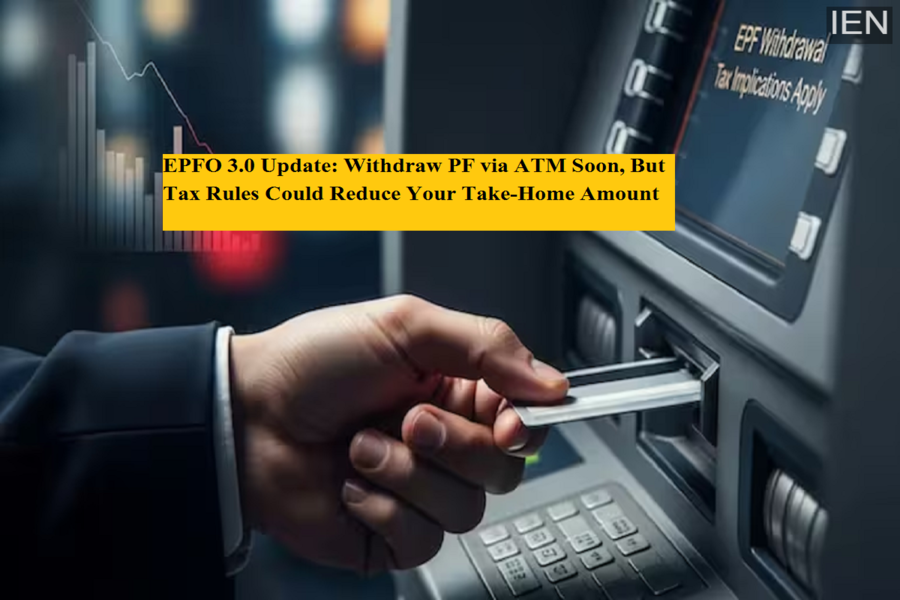
The upcoming rollout of EPFO 3.0 is set to transform how millions of salaried individuals access their provident fund (PF) savings. The new system promises faster withdrawals, including the ability to access funds through an ATM-like facility. However, while convenience is improving, taxation rules remain unchanged—and they could significantly impact how much money you actually receive.
Here’s a complete breakdown of what EPFO 3.0 means for you and how tax rules can affect your PF withdrawals.
What is EPFO 3.0 and Why It Matters
Employees' Provident Fund Organisation (EPFO) is preparing to introduce EPFO 3.0, a major upgrade aimed at giving subscribers more control and quicker access to their savings.
Under this new system, PF withdrawals are expected to become almost instant, eliminating long waiting periods. The biggest highlight is the introduction of an ATM-style withdrawal feature, allowing users to access their funds directly when needed.
How PF ATM Withdrawal Will Work
According to early details, the new system will function similarly to a debit card:
- ATM Access: Subscribers may receive a card to withdraw PF money like a regular bank ATM withdrawal
- Quick Emergency Funds: In urgent situations such as medical needs, job loss, or home-related expenses, users can withdraw funds instantly
- Withdrawal Limit: Up to 75% of the total PF balance may be accessible in emergencies
- Transaction Cap: There are expectations that withdrawals could be limited to around ₹1–2 lakh per transaction (final confirmation awaited)
This move is expected to significantly enhance user convenience and reduce dependency on lengthy claim processes.
Convenience Comes with a Catch: Tax Rules Stay the Same
While accessing PF funds will become easier, the taxation framework remains unchanged. This is where many users may face unexpected financial impact.
The tax treatment of PF withdrawals depends entirely on your total years of continuous service.
PF Withdrawal After 5 Years: Completely Tax-Free
If you have completed five or more years of continuous employment (including transferred PF from previous jobs), your PF withdrawal is fully tax-exempt.
This means:
- No tax deduction at source (TDS)
- No addition to your taxable income
- Full amount received without any tax liability
Withdrawal Before 5 Years: Tax Implications Explained
If you withdraw PF before completing five years of service, the rules change significantly:
- The withdrawn amount is added to your total annual income
- Tax is calculated based on your applicable income tax slab
- TDS is deducted at the time of withdrawal
Example: How Tax Can Reduce Your PF Withdrawal
Let’s understand with a simple scenario:
- Suppose you withdraw ₹2 lakh after 3 years of service
Step 1: TDS Deduction
- If PAN is submitted: 10% TDS = ₹20,000
- Amount received initially = ₹1.8 lakh
Step 2: Final Tax Calculation
- ₹2 lakh is added to your annual income
- If you fall under the 20% tax slab, total tax = ₹40,000
- Since ₹20,000 is already deducted, you will need to pay an additional ₹20,000
Important Warning: PAN Not Submitted? Higher TDS
If you fail to provide your PAN details, the TDS rate can shoot up drastically—from 10% to as high as 34.608%.
This can significantly reduce your withdrawal amount, making it crucial to ensure your PAN is linked and updated.
Section 80C Benefits May Be Reversed
Another important point to note is that if you withdraw PF before five years, the tax benefits you claimed under Section 80C during your employment may be reversed.
This means:
- Previously claimed deductions could be added back to your taxable income
- Your overall tax liability may increase further
Key Tips Before Withdrawing PF
To avoid unnecessary tax burden, consider these points:
- Try to withdraw PF only after completing 5 years of service
- Ensure your PAN is updated with EPFO records
- Submit Form 15G/15H (if eligible) to avoid or reduce TDS
- Plan withdrawals strategically, especially in high-income years
Final Takeaway
EPFO 3.0 is a major step toward making PF access faster and more user-friendly. The ATM withdrawal feature will offer unmatched convenience, especially during emergencies.
However, the ease of access should not overshadow the tax implications. Withdrawing PF prematurely can lead to significant tax deductions and reduced final payouts.
Understanding the rules and planning your withdrawals wisely will help you make the most of this new system without hurting your finances.
