
Emergency Fund Tips: Is it right to keep your emergency fund in a separate bank account? Find out the best approach and 5 major benefits..
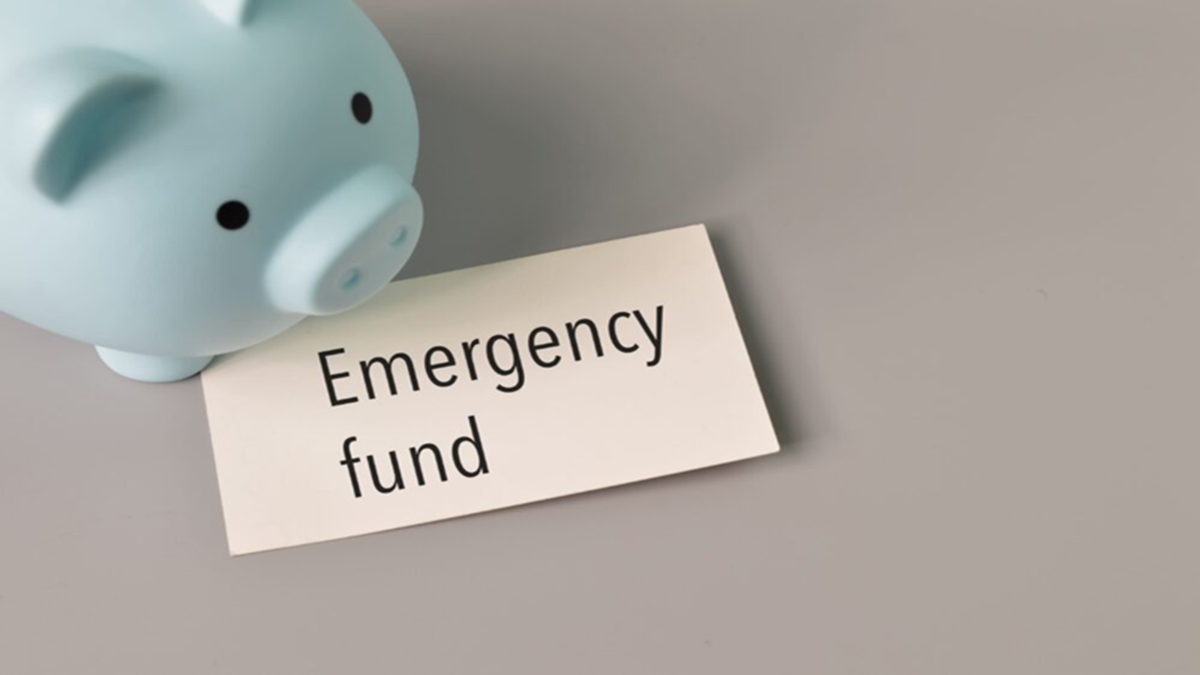
Emergency Fund: Life's crises never come with a warning. Sudden job loss, a medical emergency, unexpected home or vehicle repairs, or a sudden family obligation can place a heavy burden on your budget. An 'emergency fund' created for such times shields you from financial distress.
But do you keep your emergency fund in the same bank account used for groceries, online shopping, utility bills, and weekend expenses? If so, even unintentionally, this fund could gradually get depleted. Let us explain why it is crucial to keep your emergency fund separate from your daily expense account and the best way to manage it.
Why is a separate bank account necessary?
When your emergency fund sits in your regular savings account, it can create a false impression that you have plenty of money to spend. For instance, a balance of ₹1 lakh in the account might tempt you to buy a new smartphone, go on a vacation, or indulge in unnecessary shopping during a sale.
Having a separate account ensures you remain aware of the safety of your backup fund. When the money is kept out of immediate sight, the likelihood of squandering it on frivolous expenses drops significantly. Transferring the emergency fund amount to a separate account as soon as your salary arrives gives you an accurate idea of the funds actually available for regular spending.
SEBI's Advice: Build a strong foundation before investing
According to investor education material from market regulator SEBI, building a robust emergency fund is essential before pursuing long-term financial goals—such as buying a home or starting investments in the stock market or mutual funds. This fund prevents you from having to prematurely liquidate or sell your core investments at a loss during an emergency.
Don't chase returns: Avoid choosing an account based solely on interest rates
Many people lock their emergency funds into Fixed Deposits (FDs) or options with restrictive terms in an attempt to earn higher returns. According to RBI data as of July 24, 2026, standard bank savings accounts offer an average interest rate of 2.50%, whereas Fixed Deposits (FDs) with tenures exceeding one year offer rates ranging from 6.00% to 6.75%.
The primary objective of an emergency fund is not to generate high returns, but to ensure immediate availability during a crisis. If your entire fund is locked in an FD that is difficult to liquidate quickly, you could face significant difficulties during an emergency.
The Ideal Combination: The 50-50 or 40-60 Formula
Experts recommend splitting the emergency fund into two parts:
For immediate needs: Keep a portion of the fund (e.g., an amount equivalent to 1–2 months' expenses) in a regular savings account or a liquid fund, allowing for instant withdrawal via ATM or UPI.
Short-term FDs: Place the remaining funds in FDs or accounts with a 'sweep-in' facility; these offer better interest rates while allowing withdrawals without heavy penalties when needed.
Safety of Funds: Consider DICGC Insurance
Along with liquidity, the safety of your money is equally important. Under the DICGC (a subsidiary of the RBI), deposits in Indian banks are fully insured and secure up to a maximum of ₹5 lakh per depositor (covering both principal and interest).
Experts also advise that if your emergency fund is substantial (e.g., ₹10 lakh or more), it is safer to split the amount between two different major banks rather than keeping it all in a single bank.
Review Your Emergency Fund Periodically
The size of an emergency fund is never permanently fixed; it should be adjusted as life circumstances change:
Single Individual vs. Family: The requirements of a single earning individual differ from those of a dual-income household or a family with children. Pay attention to changes: Immediately increase the size of your emergency fund if you start a new job, take on a new home or car loan EMI, have a child, face a family illness, or see an increase in monthly household expenses.
Finally, the question arises: should you keep your emergency fund in a separate bank account? The answer is a definite yes! The biggest benefit is not earning higher interest, but rather fostering financial discipline. The funds should be easily accessible during a crisis, yet not so easily available that they get spent inadvertently on non-essential items.
Disclaimer: This content has been sourced and edited from Money Control. While we have made modifications for clarity and presentation, the original content belongs to its respective authors and website. We do not claim ownership of the content.
