
Emergency Fund: An emergency fund comes in handy during a crisis; find out where to save safely.
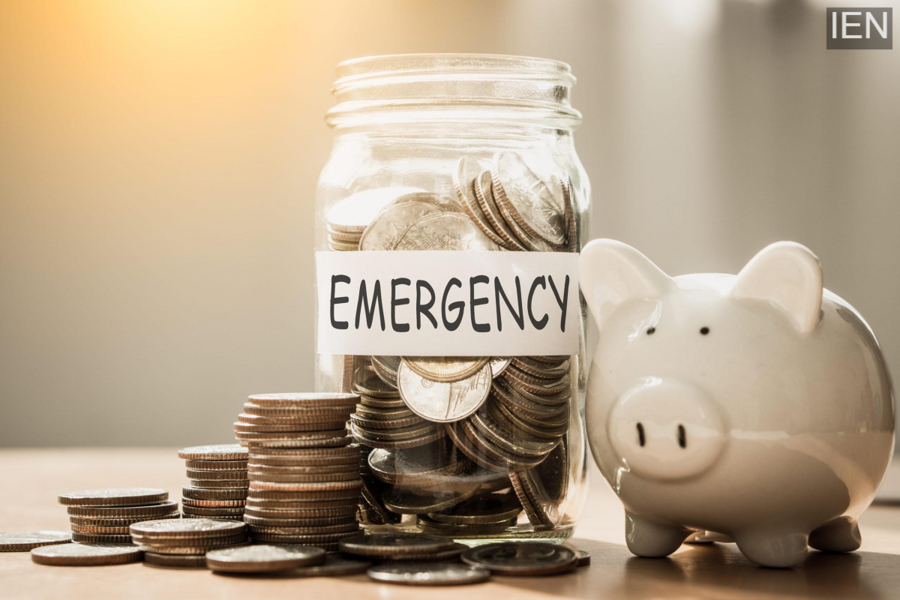
Emergency Fund: An emergency fund consists of money that provides financial support during unexpected crises—such as job loss or illness—and saves you from the need to take out a loan. Here are some key points to know.
Emergency Fund: No one knows when, how, or where trouble might strike in life. Sudden job loss or the threat of illness can disrupt any family's budget. People often save a portion of their salary for such times. This money can help you during difficult periods, and it is known as an emergency fund. Nowadays, people often take out loans to meet their needs or handle crises. However, if you have an emergency fund, you won't need to borrow money from anyone during such times.
How large should the emergency fund be?
There is no fixed limit; it depends on your specific situation. For instance:
If your job is secure and you have no major financial responsibilities, an emergency fund covering 3 to 4 months of expenses is sufficient.
If you are married, you should have enough to cover at least 6 to 9 months of expenses to ensure your family remains secure during any difficult situation.
Keep in mind that if you have children, a home loan, and an unstable income, you should maintain an emergency fund covering at least 12 months of expenses.
Natural disasters or accidental fires: Find out if you can claim insurance for your home.
Keep the fund safe
The objective of an emergency fund is not to generate profit, but to have money available when you or your family face a crisis. Therefore, it should be kept in safe and easily accessible options.
Keep an amount equivalent to 1–2 months of expenses in a savings account, which you can withdraw at any time via ATM or UPI.
Alternatively, you can use a 'sweep-in' fixed deposit (FD). This offers higher interest rates than a standard savings account while allowing you to access the funds immediately without a penalty when needed. Additionally, you can keep the remaining funds in a liquid mutual fund, where the risk is low, and the money can be accessed within 1–2 days.
By keeping all these important points in mind, you can build an emergency fund. It can prove to be very helpful during times of crisis.
