
Electricity Set to Become Costlier Nationwide! Companies Procure Extra Power at High Rates
There has been a massive 281% surge in buy bids within the Indian Energy Exchange (IEX) 'Day-Ahead Market' (DAM), highlighting the extent of the rise in electricity demand.
The country's power sector is currently under immense pressure as electricity demand has reached near-record levels. Consequently, electricity prices in the spot market have risen sharply. Meanwhile, coal stocks at thermal power plants have dropped to critically low levels.
In September, the average electricity price in the IEX 'Day-Ahead Market' rose to ₹7.3 per unit—a 105% increase compared to the previous year. Furthermore, the 281% surge in buy bids clearly demonstrates how state power distribution companies (Discoms) are struggling to cope with the mounting demand on the grid.
Costly Power Becomes a Crisis
It is worth noting that most state power distribution companies (Discoms) are already operating at a loss. Purchasing short-term power from the exchange at the high rate of ₹7.3 per unit could further deepen their financial crisis. Meanwhile, states lacking the budget to purchase expensive power have already expressed their inability to do so; consequently, they are resorting to load shedding in rural and semi-urban areas to manage the rising demand.
Severe Shortage of Coal Stocks
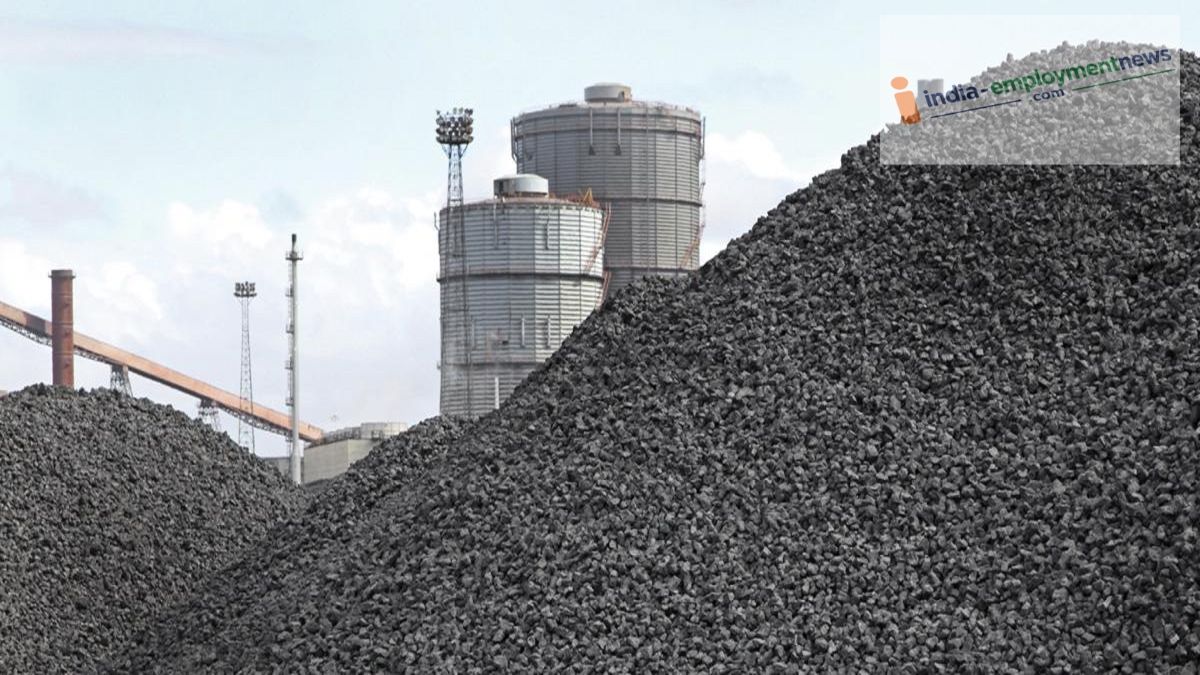
According to the Central Electricity Authority, the country's thermal power plants are currently facing an unprecedented coal crisis. As of Monday, nearly half of the nation's power plants (90 out of 190) were operating with critical coal stock levels. According to regulations, thermal power plants are required to maintain a coal stock sufficient for at least 15 to 20 days; however, they currently hold only 20.5 million tonnes, representing just 33% of the required inventory. This stock is enough to meet needs for an average of only 6 to 7 days, significantly increasing the risk of grid blackouts.
Growing Reliance on the Open Market
Power supplies are currently under strain due to high electricity consumption. The record peak demand of 269 gigawatts (GW) on September 10 highlights the extent of this surge in demand. Meanwhile, the volume of electricity traded on the Indian Energy Exchange (IEX) rose by 10.4% year-on-year to 12.22 billion units (BU), and the country's overall electricity consumption increased by 11% to 162 BU.
It is worth noting that when demand on the IEX spikes, the per-unit cost of electricity also rises. Ultimately, this financial burden falls directly on the states and, subsequently, on ordinary consumers and factories.
This pressure is particularly acute for NTPC, India's largest power producer. Its coal stock has dwindled to 5.2 million tonnes (mt), leaving most of its plants with enough inventory to manage supplies for a maximum of seven days. In contrast, the stock stood at 18.7 million tonnes in April—sufficient for approximately 25 days. NTPC operates 50 power plants.
