
Don't overlook these 5 tasks if a death occurs in the family; your money could get stuck—find out today.
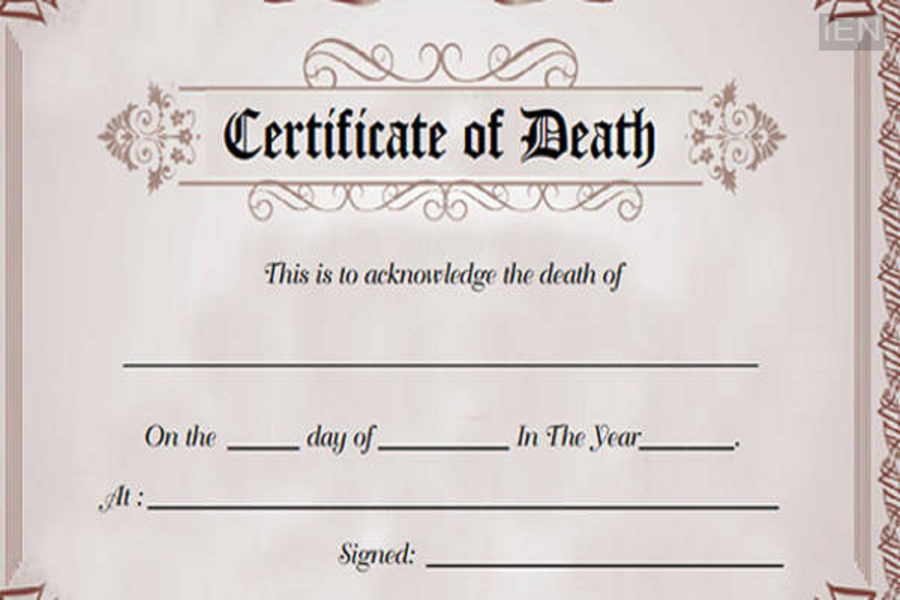
Finance Rules: When a death occurs in the family, people often forget to attend to certain essential tasks; however, failing to do so in time can lead to future complications. Here are the important tasks you need to know about:
Finance Rules: The death of a family member is undoubtedly a difficult time, yet there are crucial administrative and financial tasks that often get overlooked. Neglecting these in a timely manner can lead to future issues, such as the misuse of documents or potential fraud. Therefore, we are outlining the essential steps that should be taken promptly following the passing of a family member.
1. Obtain the Death Certificate First
Banking and legal procedures begin with the death certificate. This document is mandatory for processing claims or updating records with banks, government departments, and insurance companies. Consequently, you should obtain it as soon as possible.
2. Update Investment and Insurance Records
If the deceased held life insurance policies, mutual funds, PPF accounts, or other investments, you must contact the respective institutions. Initiating the claim and transfer processes promptly will prevent complications later on.
3. Gather Information Regarding Bank Accounts
Obtain details about any bank accounts, Recurring Deposits (RDs), or Fixed Deposits (FDs) held in the deceased's name. Subsequently, the nominee can submit the necessary documents to have the funds transferred to their own name.
4. Transfer Property and Utility Connections
If the deceased owned a house, land, a vehicle, or held a gas connection or similar assets, initiate the process of transferring them to the nominee's name. This ensures there are no issues in the future.
5. Update Essential Details
Everything from email addresses and mobile numbers to PAN cards is linked to almost all financial services today. Therefore, ensure these records are updated promptly, or close the accounts if necessary. Doing so helps minimize the risk of cyber fraud. These are all essential steps that must be taken following a person's death to avoid future complications. Updating these important documents and accounts in a timely manner can prevent various problems down the line.
