
Don't Let Your Credit Card Become a Liability: Learn 5 Golden Rules for Controlling Expenses from Experts..
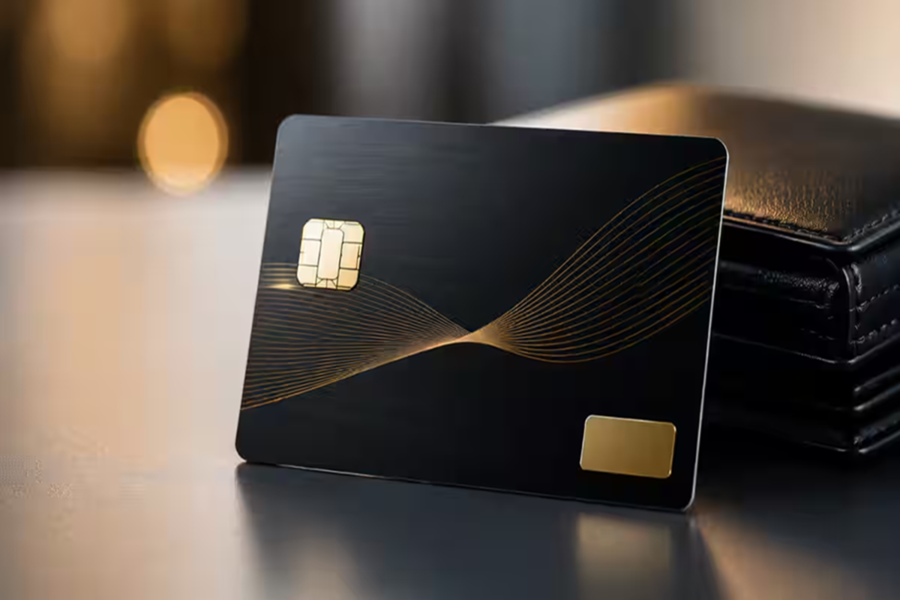
In today's world, a credit card is no longer merely a payment tool; it has become an integral part of people's lifestyles. Whether it involves online shopping, purchasing expensive gadgets, or facing a sudden need for funds, most people instinctively reach for their credit cards first. However, problems arise when one falls into the habit of "buy now, pay later"—a practice that gradually ensnares individuals in debt. Consequently, by the end of the month, hefty bills, mounting interest charges, and ever-increasing EMIs wreak havoc on one's budget.
**Expert Insights on Credit Cards**
Expert Taresh Bhatia believes that a credit card is not inherently bad; rather, it is its misuse that transforms it into a source of trouble. According to experts, if one adheres to a few basic guidelines, a credit card can actually simplify and streamline one's financial life.
**It’s Not the Card, But the Habits That Cause Problems**
Taresh Bhatia points out that people commonly make the mistake of viewing a credit card as a source of "extra money." The reality, however, is that it is a form of credit—a loan—on which one may incur heavy interest charges if not repaid on time. In fact, the responsible use of a credit card strengthens your credit history and improves your CIBIL score, thereby making it easier to secure loans in the future.
**1. Do Not Exceed 30% of Your Credit Limit**
The primary piece of advice from experts is to avoid spending more than 30% of your card's total credit limit. For instance, if your card has a limit of ₹100,000, aim to keep your monthly spending below ₹30,000. Adhering to this practice helps maintain a healthy CIBIL score and keeps the burden of debt manageable. Indeed, according to experts, consistently utilizing one's entire credit limit is perceived by banks as a "risk signal."
**2. Converting Discretionary Purchases into EMIs Is Risky**
In the current climate, purchasing everything—from mobile phones to televisions—on an EMI basis has become commonplace. However, experts argue that this habit amounts to spending one's future earnings in advance. Taresh Bhatia specifically advises against opting for EMIs, except in cases involving necessities or genuine emergencies. Indeed, financing expenses solely for the sake of lifestyle or appearances can prove detrimental in the long run. Therefore, the advice is that if you do not have the immediate funds for a particular item, it is far more prudent to postpone the purchase.
3. Tracking Every Expense Is Essential
People often find themselves puzzled at the end of the month, wondering where exactly their money went. According to experts, it is crucial to track your expenses by categorizing them—such as food, shopping, travel, entertainment, and online subscriptions. This approach clearly reveals which expenses were essential and where unnecessary spending occurred. Today, numerous mobile apps make this task significantly easier.
4. The ‘Minimum Due’ Is the Biggest Trap
Credit card companies frequently offer the option to pay only the ‘Minimum Due’ amount. Many people assume this will suffice, but this can turn out to be an extremely costly decision. In reality, Taresh Bhatia advises that you should always strive to pay your bill in full. Paying only the Minimum Due results in heavy interest charges accruing on the remaining balance—interest rates that can often soar to between 30% and 40% per annum. Experts consistently recommend utilizing the ‘auto-pay’ feature to ensure that payment deadlines are never missed, thereby avoiding late fees.
5. Do Not Upgrade Your Lifestyle Solely Because Your Salary Has Increased
As their income rises, people often gravitate rapidly toward expensive gadgets, branded merchandise, and luxury spending. However, experts contend that any lifestyle upgrade should be grounded in one's savings and investments, rather than being financed through credit card debt. According to them, a lifestyle built upon the foundation of debt is simply not sustainable in the long run.
What Is the Most Important Rule?
Taresh Bhatia outlines a remarkably simple yet vital rule: if you cannot comfortably repay the amount you spend this month using next month's income, you should think twice before purchasing that item. In essence, a credit card should serve as a tool for convenience, not a source of stress. Credit Cards Have Their Benefits Too
If used wisely, a credit card offers numerous advantages—such as cashback, airport lounge access, reward points, online offers, and a better credit history. However, these benefits are truly advantageous only if the bills are paid on time.
**A Point Worth Noting**
If utilized correctly, a credit card can strengthen your financial planning; conversely, carelessness can lead to a heavy debt burden. Indeed, experts believe that true financial savvy lies not in spending more, but in controlling your expenditure. Therefore, the next time you swipe your card, do not focus solely on the offers and EMI options; take a moment to consider whether you truly possess the financial capacity to repay the amount.
