
Does a bounced SIP installment negatively affect your CIBIL score? Here are the rules..
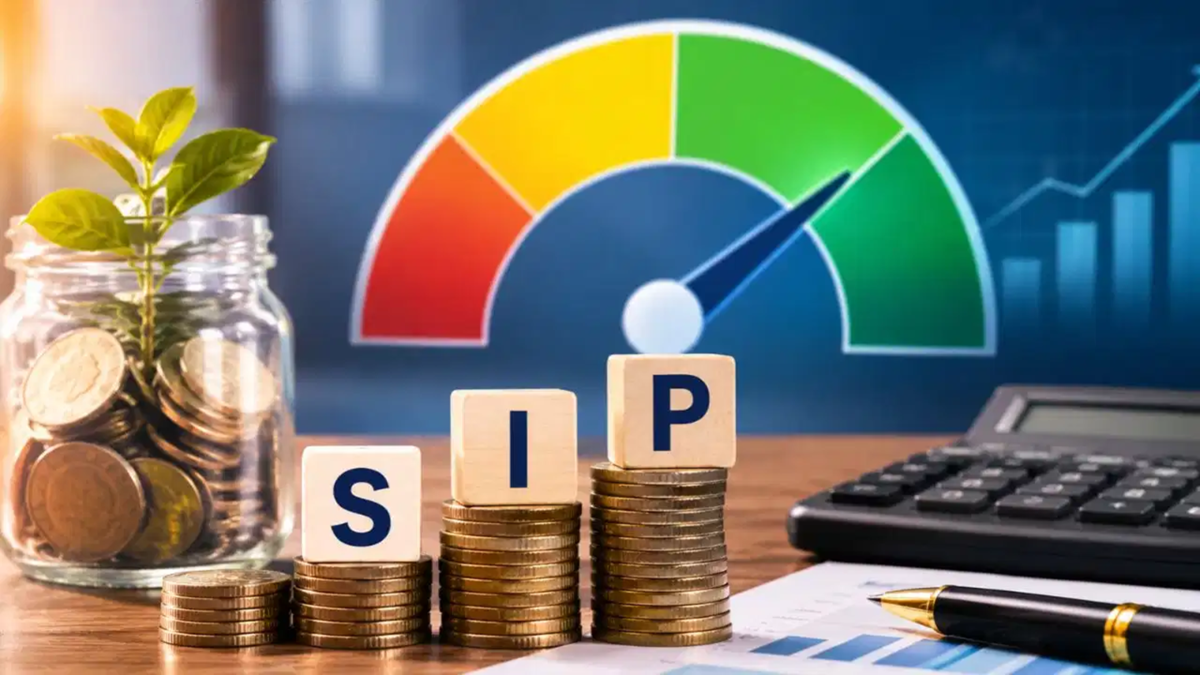
Rules Regarding Failed SIP Payments: The number of people investing in mutual funds through a Systematic Investment Plan (SIP) is steadily increasing. Every month, on a pre-set date, the designated amount is deducted from your bank account and invested directly into the fund. However, there are times when an SIP installment cannot be processed—either due to insufficient funds in the account or a technical glitch. In such situations, investors often become anxious, fearing bank penalties or a negative impact on their credit score. If you have ever faced this, or if you are an investor, it is essential to understand the rules surrounding such instances.
Understanding Bank Charges
An SIP transaction fails when your bank account lacks the required funds or if there is an issue with the auto-debit mandate. In such cases, your bank may levy a 'return' or 'dishonor' charge. It is important to note that this penalty is imposed solely by the bank and is entirely separate from any charges levied by the mutual fund company. The specific amount charged by the bank depends on its internal policies and the type of account you hold.
Impact on Your CIBIL Score
Many investors worry that a bounced SIP installment might lower their CIBIL (credit) score. The good news is that a failed SIP has no direct impact on your credit score. Since an SIP is an investment—not a loan or a debt—a missed installment is not treated the same way as a defaulted loan EMI or an unpaid credit card bill. Your credit score remains completely unaffected.
When Will an SIP Be Cancelled?
While your CIBIL score may remain safe, repeated failures of SIP installments can disrupt your investment journey. If your SIP installments bounce consistently over several occasions, the mutual fund house may choose to cancel the SIP altogether. According to industry-standard rules, there are defined limits on the number of consecutive failed SIP installments, which vary based on the frequency of the SIP.
For daily, weekly, fortnightly, or monthly SIPs, the SIP may be cancelled if three consecutive payments fail.
For bi-monthly, quarterly, half-yearly, or annual SIPs, the SIP may be terminated if two consecutive installments bounce.
What to do if an installment fails:
If the SIP amount is not deducted from your account in any given month, do not panic; instead, identify the underlying cause immediately. Often, this happens simply due to an insufficient account balance. To address the situation promptly, you should check the following five points:
First, verify your bank balance to see if there were sufficient funds in your account on the installment due date.
Check the status of your auto-debit mandate to ensure it is active and has not been halted for any reason.
If you have recently changed your bank account, update your new bank details with the fund house.
Review your KYC information, as incomplete or outdated KYC details can also cause transactions to fail.
If your existing SIP has been cancelled due to consecutive missed payments, initiate a new SIP to continue your investments.
By paying attention to these minor details in a timely manner, you can avoid unnecessary bank charges and ensure that you continue working toward your long-term financial goals without any interruptions.
Disclaimer: This content has been sourced and edited from TV9. While we have made modifications for clarity and presentation, the original content belongs to its respective authors and website. We do not claim ownership of the content.
