
Do you know the original name of the PAN Card? Find out how it originated and why this 10-digit code is essential..
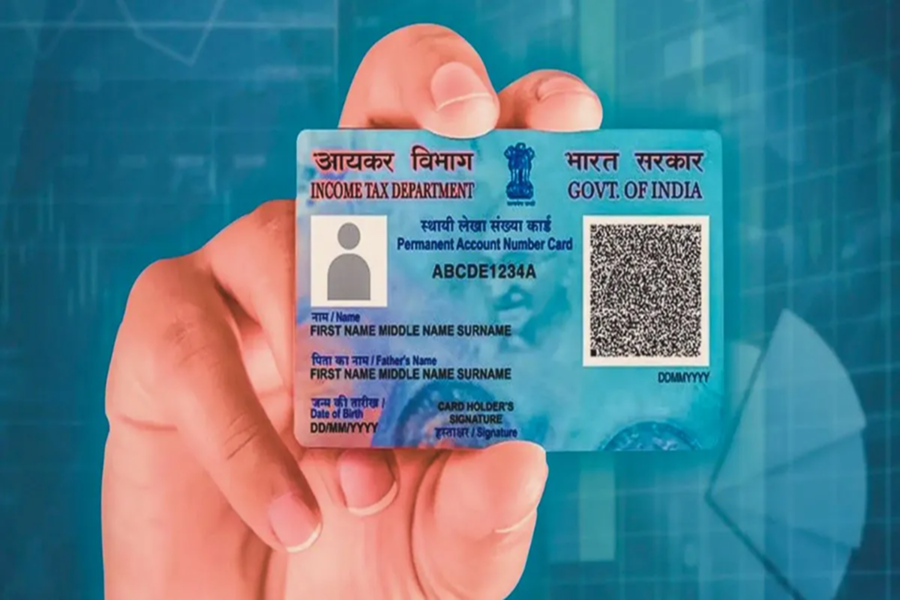
Nowadays, a PAN (Permanent Account Number) card is mandatory for every major financial transaction—from opening a bank account to purchasing property. But have you ever wondered about the origins of the PAN card you carry in your wallet? Which generation first used it, and what secrets lie hidden within its 10-digit code that make it so essential?
Let’s clear up these questions and explore everything in detail—from the history of the PAN card to the significance of its 10-digit number:
When was the PAN card introduced in India?
The PAN (Permanent Account Number) system was introduced in India by the government in 1972. It was later given legal status under Section 139A of the Income Tax Act, 1961. Initially, obtaining a PAN card was optional, but in 1976, the government made it mandatory for all taxpayers.
What existed before the PAN card?
Before the introduction of the PAN card, taxpayers were assigned a GIR (General Index Register) number. This was an entirely manual system, and the number was not unique at the national level. Consequently, errors and identification discrepancies frequently occurred during tax assessments. The PAN card was introduced to resolve this very issue.
Who are the youngest and oldest PAN card holders?
PAN card issued at 5 days old (Youngest)
You might be surprised to learn that the record for the youngest person in the country to obtain a PAN card belongs to a five-day-old baby girl. 'Aashi,' a resident of Munger, Bihar, was born on February 21, and her PAN card was allotted just five days later, on February 26. Before this, the record was held by Aryan Chaudhary from Jaipur, whose PAN card was issued when he was seven days old. Income Tax Department Honors 120-Year-Old 'Dadi' (Oldest Taxpayer)
India's oldest PAN card holder was 120-year-old Girija Devi (who has since passed away). Affectionately known as 'Dadi' (Grandma), her PAN card listed her year of birth as 1903. In 2020, the Income Tax Department specially honored her, recognizing her as the country's oldest taxpayer.
What do the 10 digits on your PAN card mean?
The 10-digit number on a PAN card is not merely random; every letter and digit within it holds specific significance. This code comprises a combination of alphabets and numbers.
* First 3 characters: The initial three characters are always alphabets (ranging from AAA to ZZZ).
* 4th character (Status): This is crucial, as it indicates the category of the cardholder.
* P – Individual (General citizen)
* C – Company
* H – Hindu Undivided Family (HUF)
* F – Firm
* A – Association of Persons
* T – Trust
* G – Government (Government entity)
* 5th character (Your name): If you are an 'Individual' (P), the 5th character represents the first letter of your surname (or last name).
* Next 4 digits: These are sequential numbers ranging from 0001 to 9999.
* Last character: This is always an alphabet, generated using a specific formula (check digit).
Why is a PAN card essential?
In today's world, the PAN card is not just a means to pay taxes; it has become the most vital document establishing our complete financial identity. Its primary use is for filing Income Tax Returns (ITR), but it is also mandatory for opening a new bank account, depositing or withdrawing cash exceeding ₹50,000, and obtaining bank loans or credit cards. Furthermore, if you wish to invest in the stock market or mutual funds, buy or sell immovable property worth more than ₹5 lakh, or purchase any new vehicle (such as a car or jeep)—excluding two-wheelers—you cannot complete these transactions without a PAN card.
Disclaimer: This content has been sourced and edited from Dainik Jagran. While we have made modifications for clarity and presentation, the original content belongs to its respective authors and website. We do not claim ownership of the content.
