
Do You Deposit Money at the Post Office? Now, No Transactions Without a PAN Card
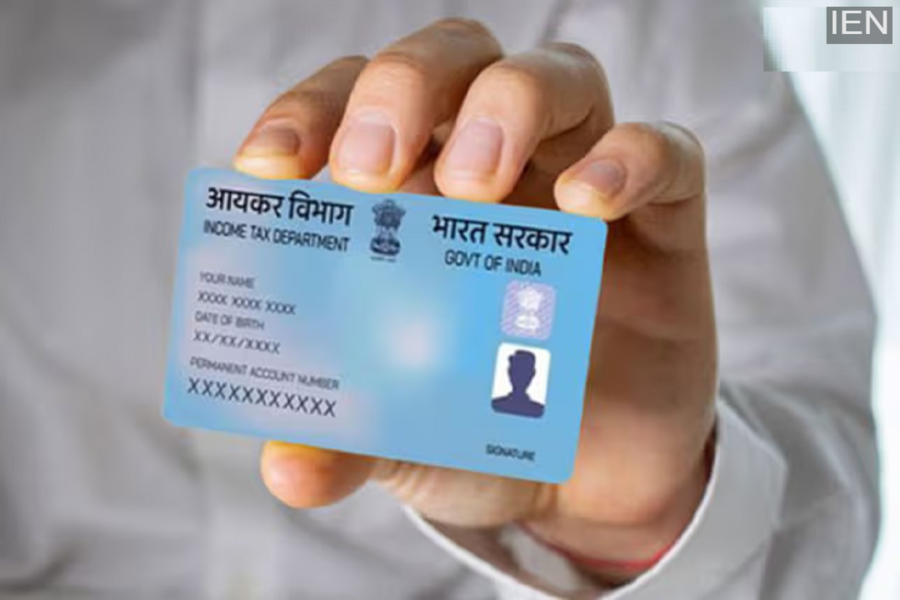
Post Office PAN Mandatory Rules: Do you invest at the Post Office? Under new Income Tax regulations, providing your PAN card details is now mandatory for every transaction.
Post Office PAN Mandatory Rules: If you, too, deposit your earnings into the Post Office's small savings schemes, this news is of utmost importance to you. The government has significantly tightened regulations under the 'Income-tax Rules, 2026.' Now—whether you are depositing money or withdrawing it—the Tax Department will be keeping a close watch on every step of your Post Office transactions. The primary objective of this move is to enhance transparency in financial transactions and curb tax evasion.
Is a PAN Card Now Required for Every Transaction?
Yes, providing your PAN (Permanent Account Number) has now been made mandatory for almost every major financial activity undertaken at the Post Office. Whether you are opening a new account, depositing funds, or making a withdrawal from your scheme, you will not be able to proceed without a PAN card. This rule applies to all popular schemes, including the NSC (National Savings Certificate), SCSS (Senior Citizen Savings Scheme), MIS (Monthly Income Scheme), and Time Deposits. The Department of Posts has clarified that large-value transactions will no longer be possible without proper identification.
What Should You Do If You Do Not Have a PAN Card?
For residents of rural areas or small-scale savers, a pertinent question naturally arises: what happens to those who do not possess a PAN card? The government has devised a solution for this scenario as well. Previously, 'Form 60' was used in such cases; however, it has now been replaced by 'Form 97.' If you do not have a PAN card, you must fill out Form 97 and provide your complete details, such as:
Your name and address.
The specific amount you are depositing or withdrawing.
The purpose of the transaction, along with other relevant identity-related documents.
In essence, the Tax Department will now maintain a complete digital record of all transactions—even those conducted without a PAN card.
What Happened to Forms 15G and 15H?
For those keen on tax planning and savings, a significant change to note is that the erstwhile Forms 15G and 15H have now been discontinued. A new, standardized ‘Form 121’ has now been introduced to replace the previous forms. Previously, individuals under the age of 60 would fill out Form 15G, while senior citizens would fill out Form 15H to ensure that TDS (Tax Deducted at Source) was not deducted from their interest earnings. Now, regardless of age, everyone is required to fill out only Form 121. Please note that this form must be submitted separately at the beginning of every financial year. The Post Office will verify these forms and securely maintain your records for the next seven years.
Why has the government implemented these stricter measures?
The primary objective behind this entire initiative is to bring the Post Office system on par with the banking system. Previously, individuals often managed to evade the tax net by conducting cash transactions at the Post Office. Now, through rigorous audits and digital reporting, the government aims to track every single penny. The straightforward advice for investors is to immediately link their Post Office accounts with their PAN. Failure to comply with these regulations could lead to difficulties in withdrawing your deposits or interest earnings in the future.
