
Do you also travel with just a cabin bag? Then this new discount offer from IndiGo will help you save big..
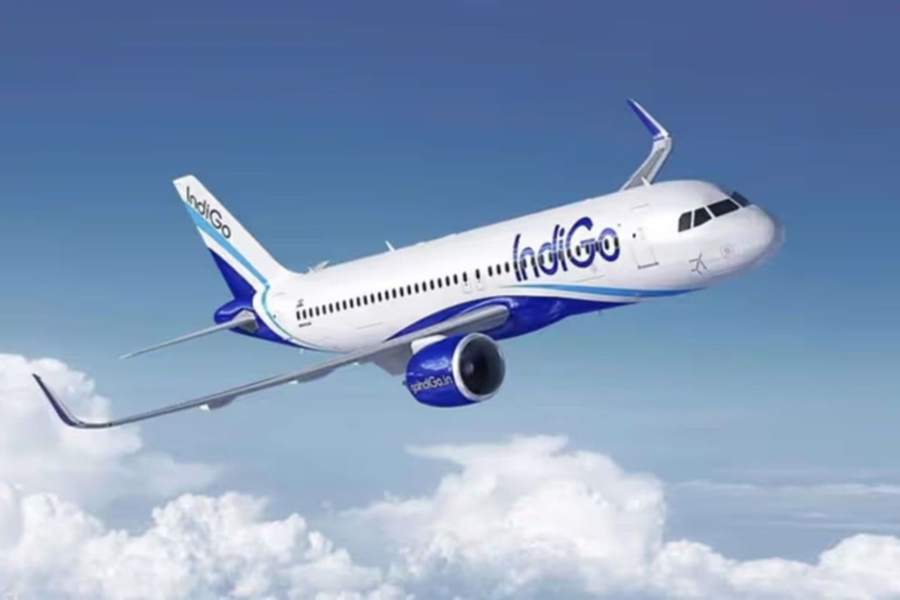
Amid rising airfares across the country, airlines are experimenting with new strategies to offer passengers more options. As part of this trend, IndiGo and Air India have begun unbundling their services to create lower base fares. Flight tickets had become more expensive in recent months due to rising operating costs, prompting travelers to prioritize train and road travel.
IndiGo’s New Move
Low-cost carrier IndiGo has introduced a fare option that excludes check-in baggage. This means passengers traveling with only cabin baggage can purchase cheaper tickets. This new "Lite" or basic fare is designed specifically for travelers who carry minimal luggage and do not wish to pay for extra amenities.
Cheaper Tickets Without Check-in Baggage
Under IndiGo's new fare structure, passengers are permitted to carry only up to 7 kg of cabin baggage. If a passenger wishes to add check-in baggage, they must pay an additional fee. Reports indicate that this new "no check-in baggage" fare could be up to ₹400 cheaper than the standard fare. This offers a significant advantage to travelers with light luggage, providing them with lower fares and the flexibility to choose services based on their specific needs.
Air India Also Changes the Game
Prior to IndiGo's move, Air India had also implemented a major change. Despite being a full-service airline, it introduced base fares that do not include complimentary in-flight meals. The objective remains the same: to lower ticket prices and offer choices to passengers who simply want to travel without the extras.
What is the Cost of Adding Check-in Baggage?
If passengers decide to add check-in baggage later, they will be required to pay an additional fee. * Charges are lower for pre-booking.
* Fees may be higher if added at the airport.
Although the exact cost varies based on the route and timing, it can generally go up to ₹500 or more, potentially negating any savings made on the base fare.
Why is the aviation sector changing?
Rising costs for airlines—particularly fuel and operational expenses—have driven up ticket prices. Consequently, companies are adopting a "pay-for-what-you-use" model, where charges for baggage, meals, and seat selection are unbundled. This makes the base ticket appear cheaper and allows passengers to tailor their spending to their specific needs.
What does this mean for passengers?
Flight tickets are becoming fully customizable. If you travel with only cabin baggage, you can secure a cheaper ticket. However, the total cost increases as soon as you opt for checked baggage, meals, or seat selection. Essentially, the real benefit of low-cost flights is now available primarily to those who "travel light."
