
Delhi Electricity Bill: Electricity in Delhi Set to Become More Expensive; Surcharge to Rise Despite Subsidies—Find Out Why Rates Are Increasing
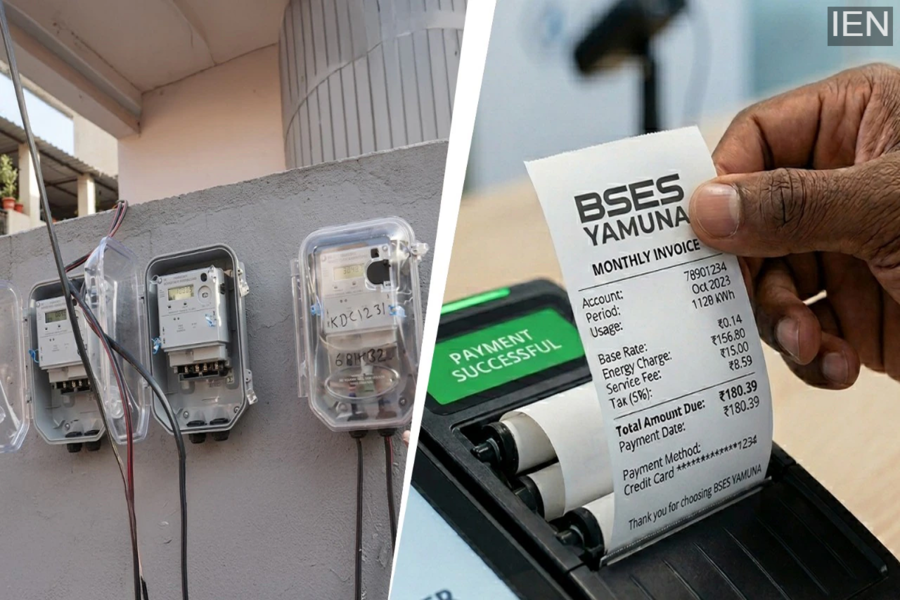
Delhi Electricity Bills: Residents of Delhi are now about to feel the sharp shock of rising costs. The outstanding dues of Delhi's electricity companies—amounting to approximately ₹30,000 crore—could now weigh heavily on your pockets.
Delhi Electricity Power Bills News: Clouds of crisis are looming over Delhi's affordable electricity supply. Delhi is set to receive no further reprieve regarding the repayment of outstanding dues owed to electricity companies. The Appellate Tribunal for Electricity (APTEL) has rejected a plea by the Delhi Electricity Regulatory Commission (DERC) seeking additional time to clear the ₹30,000 crore in arrears. The impact of this ruling will now be borne by the consumers.
Essentially, this matter stems from a Supreme Court order issued in August 2025, which directed all states to clear all accumulated past dues by April 2026. The DERC had sought an extension of this deadline to avoid placing an undue financial burden on the public; however, the Tribunal has categorically stated that no further extensions will be granted. These outstanding dues constitute a component of a comprehensive liquidation scheme designed to settle long-pending liabilities within the power sector. The Court had also authorized regulatory bodies to adjust electricity tariffs, if deemed necessary, in order to facilitate the recovery of these outstanding dues.
Accumulating Arrears in the System
It is worth noting that electricity tariffs for consumers in the national capital, Delhi, had previously been reduced. Conversely, however, the volume of outstanding dues within the system continued to mount steadily. The critical question now arises: where will the funds come from? In states with government-owned utility companies—such as Tamil Nadu—the state government typically absorbs the financial burden. However, in Delhi, the distribution companies (Discoms)—specifically BSES—are privately owned.
Consequently, the Delhi government is now left with only three viable options:
First: Increase electricity tariffs.
Second: The government provides a massive subsidy out of its own coffers.
Third: A combination of the above two approaches. Massive Hike in Electricity Bills Almost Certain
Unless the government increases subsidies, a massive hike in electricity bills for Delhi's households and factories is almost certain. The ball is now in the court of the Delhi government and the regulatory commission. It remains to be seen whether the government—keeping in mind the upcoming elections and potential public resentment—can find a middle ground, or if the residents of Delhi will have to brace themselves for steeper electricity bills.
