
Deepfake Scam: A new form of cyber fraud using AI is on the rise—learn how to easily spot a deepfake scam.
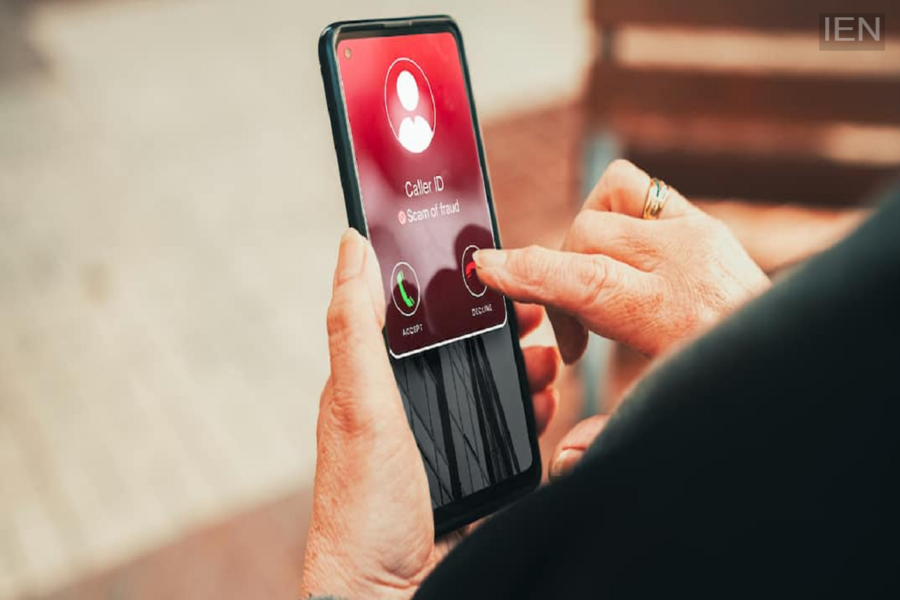
Deepfake Scam: Online fraud is increasing alongside digital technology, with people falling victim to scams involving AI, deepfakes, and voice cloning. The UP Cyber Police have shared advice on how to stay cautious and identify these scams.
Cyber Fraud: While digital technology has made tasks much easier today, incidents of online fraud are also rising rapidly. Scammers are no longer relying solely on calls or messages; they are employing new technologies—specifically Artificial Intelligence (AI)—to target people.
They commit fraud by mimicking people's identities through methods like deepfake videos and voice cloning. In response to this growing crime, the Uttar Pradesh Cyber Police have advised the public via a post on the social media platform X to remain vigilant. The post outlines a method to distinguish between genuine and fake audio.
What is a deepfake scam?
A deepfake scam is a type of cyber fraud where AI is used to create fake images, videos, or audio of an individual. Scammers often target people by impersonating someone the victim knows; they copy the person's voice or face to solicit money, OTPs, passwords, or other sensitive information. These fakes can often appear so authentic that distinguishing them from the real thing becomes difficult.
"In the age of AI, seeing is no longer believing—always verify the source."
— Cyber Police UP (@cyberpolice_up) June 17, 2026
"Pause, verify, and protect yourself. Deepfake scams thrive on panic and haste."
National Cyber Crime Helpline Number:
👉 1930 (24×7)
🌐 Online Complaint Portal:
👉 https://t.co/OBip6cdm4Y pic.twitter.com/U2NuE4uhOP
Easy ways to protect yourself from deepfake scams
If you receive a video or audio message from someone you know, verify it by calling them directly. If someone asks for money, an OTP, or a password via video call, message, or audio, do not share the information without verification; instead, try to confirm their identity. In particular, avoid oversharing your photos, videos, and voice recordings on social media. Unusual facial expressions
Lack of coordination between lips and voice
Robotic-sounding voice
Eye movements
