
Debit Card EMI and CIBIL Score: The Truth About Its Impact, Benefits, and Risks You Should Know
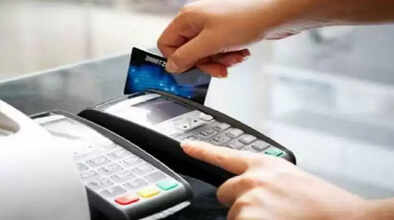
In today’s digital-first world, shopping for big-ticket items like smartphones, TVs, or appliances no longer requires a credit card. Leading banks such as HDFC Bank, SBI, Axis Bank, and ICICI Bank now offer the convenience of Debit Card EMI, allowing customers to buy products on easy monthly installments directly through their savings accounts. But a common question remains — does this facility affect your CIBIL score or credit profile? Let’s understand how it works, its benefits, and the precautions every user should take.
What Is a Debit Card EMI?
Debit Card EMI is a facility that enables you to make purchases in installments using your debit card — even without a credit card or an existing loan. The bank pre-approves a specific EMI limit based on your savings, account activity, and transaction history. Once you make a purchase, the cost is divided into EMIs, and a fixed amount is automatically deducted from your account every month.
Unlike a credit card EMI, the amount is debited directly from your savings account, ensuring there’s no separate credit line or revolving balance involved. This makes it convenient for users who prefer controlled spending without managing additional credit accounts.
Does It Impact Your CIBIL Score?
Generally, Debit Card EMI does not directly affect your CIBIL score, since it is not treated as a traditional credit facility. In most cases, banks don’t report these transactions to credit bureaus as loans or credit lines.
However, some banks classify Debit Card EMI as a short-term consumer loan and report it accordingly. In such cases, if your EMI repayment record is consistent and timely, it can positively influence your CIBIL score, helping you build a stronger credit history.
This is especially beneficial for individuals who don’t yet own a credit card or have no prior loan history, as it helps them create a new credit footprint in the system.
When It Can Benefit You
If your EMI payments are reported to credit bureaus and you repay them on time, your CIBIL score may gradually improve. Consistent repayment shows lenders that you are financially disciplined, increasing your eligibility for future loans and credit cards.
For new borrowers or those with limited credit exposure, Debit Card EMI can be a safe entry point into credit building. Timely EMI payments help establish credibility, while the absence of revolving debt makes it easier to manage repayments.
When It Can Hurt Your Score
The convenience of Debit Card EMI can backfire if payments are delayed or missed. If your account lacks sufficient balance on the EMI deduction date, banks may impose penalty charges, and if they report it as a loan, your CIBIL score can drop.
Even if your bank doesn’t report EMI transactions, repeated payment failures can mark you as a high-risk customer, reducing your chances of getting approved for future loans. Therefore, maintaining financial discipline is essential to avoid negative consequences.
Precautions and Smart Tips
-
Treat Debit Card EMIs like real loans. Keep enough balance in your account before the due date to avoid payment failures.
-
Understand your bank’s policy — confirm whether your EMI data is reported to credit bureaus like CIBIL.
-
Pay on time, every time. Timely payments not only protect your credit score but also build a trustworthy financial profile.
-
Avoid overspending. Remember that convenience should not lead to excessive financial commitments.
Bottom Line
Debit Card EMI is a useful and increasingly popular tool for those who want to enjoy the benefits of installment-based purchases without owning a credit card. While it doesn’t always affect your CIBIL score directly, it can become a powerful tool for credit-building if your bank reports it responsibly.
However, the key lies in how you manage it. Timely payments can improve your creditworthiness, while negligence can cause financial setbacks. If used wisely, Debit Card EMI can help you shop smart, manage expenses easily, and strengthen your credit profile — all without stepping into unnecessary debt.
