
Cyber Fraud: Penalties may be deducted from inactive bank accounts, and the risk of cyber fraud could increase..
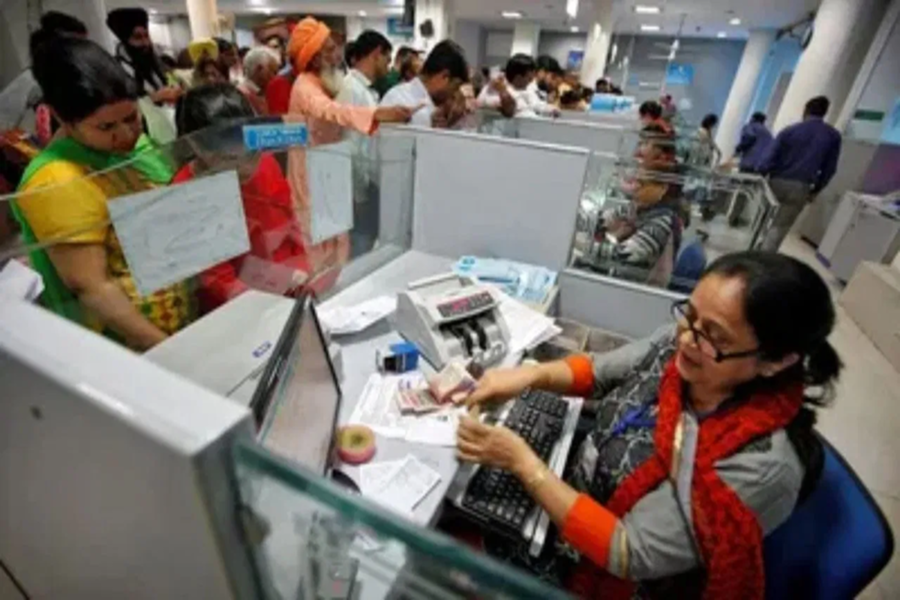
Nowadays, many people hold more than one bank account—such as a salary account from a previous job, a zero-balance account opened during a promotional offer, or an old joint account. Over time, we stop using these accounts but fail to formally close them. This very negligence can lead to complications down the road.
Small Account, Big Loss
People often assume that an idle account poses no harm; however, this is not the case. If the minimum balance is not maintained in the account, the bank begins deducting penalties every month. Gradually, the funds remaining in the account may be depleted, or the balance could even turn negative. If there are no transactions for an extended period, the account becomes inactive or dormant. To reactivate such an account, one must visit the bank and complete a specific procedure—a process that can be both time-consuming and cumbersome.
**Potential Impact on Credit Score**
A standard savings account does not directly affect one's credit score; however, the facilities linked to it certainly can. For instance, if the account includes an overdraft (OD) facility and an outstanding balance remains on it, the bank may treat this as an unpaid loan. This could negatively impact your CIBIL score.
Furthermore, many old accounts are linked to insurance premiums, EMIs, or Demat accounts. If you neglect such an account, essential payments may bounce, thereby increasing the risk of incurring additional charges and damaging your credit history.
The Growing Threat of Cyber Fraud
Accounts that you do not check regularly can become easy targets for cyber fraudsters. If the mobile number or email address linked to your old account is not up to date, you will not receive notifications regarding any suspicious transactions. Therefore, maintaining fewer—but active—bank accounts is a safer and more prudent approach.
Essential Steps Before Closing an Account
If you are planning to close an old bank account, keep a few crucial points in mind. First and foremost, download the bank statements for the last 2–3 years; these may prove useful for tax purposes or other administrative tasks in the future. Subsequently, ensure that no auto-debits, subsidies, or EMIs are linked to that account. Finally, simply withdrawing the funds is not sufficient; visit the bank, fill out the account closure form, and obtain written confirmation. Additionally, destroy the debit card and deposit the chequebook with the bank. Closing old accounts at the right time is a simple yet essential step toward safeguarding your financial well-being.
Disclaimer: This content has been sourced and edited from TV9. While we have made modifications for clarity and presentation, the original content belongs to its respective authors and website. We do not claim ownership of the content.
