
Credit Score: Has your credit score dropped? You can improve it yourself in these 5 ways..
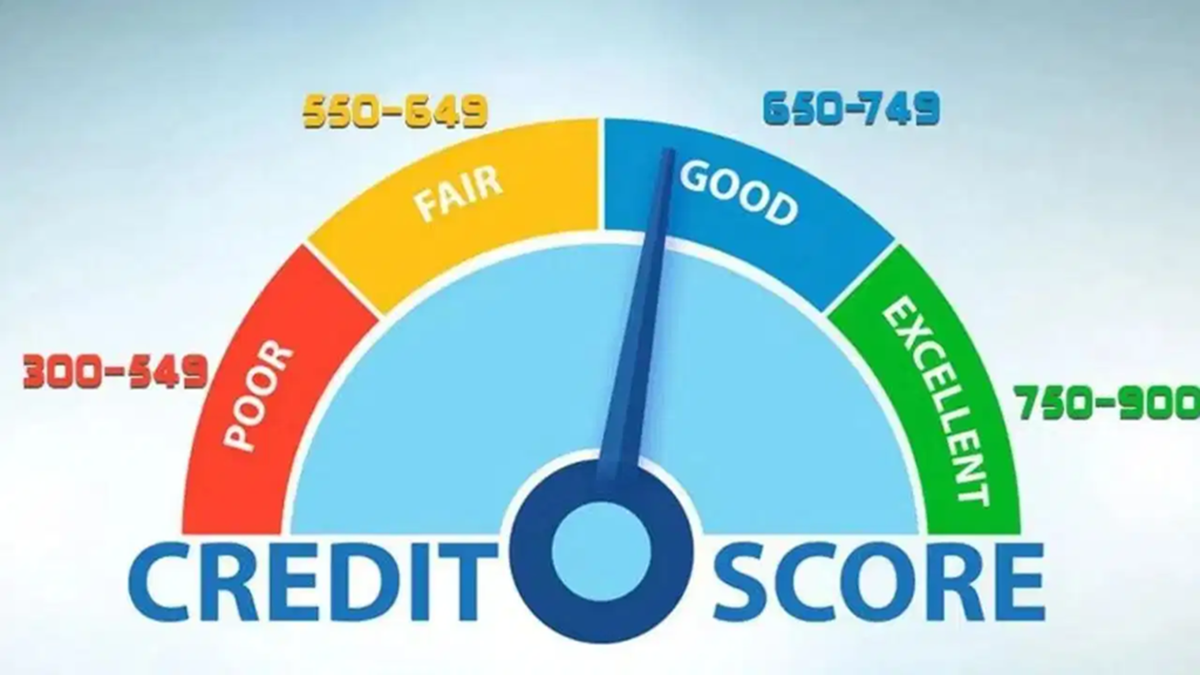
In today's times, your credit score is a crucial component of your financial health. It is a three-digit number, typically ranging from 300 to 900. Credit bureaus in the country—such as TransUnion CIBIL, Experian, Equifax, and CRIF High Mark—generate this score. Generally, a score of 750 or higher is considered good, while a score of 650 or lower may be viewed as poor. Your credit score can influence how easily you obtain a loan, the applicable interest rate, and the terms offered by the bank.
Sometimes, incorrect information can appear in your credit report even without any fault of your own. Even a minor error can negatively impact your score; therefore, it is essential to check your credit report periodically.
1. Check your credit report regularly
Do not wait until you are applying for a loan to check your report; review it periodically. Carefully examine details such as your name, address, loan accounts, outstanding balances, payment history, and recent credit inquiries. If you spot any information you do not recognize, investigate it immediately.
2. Look out for unrecognized loan accounts
If your report lists a personal loan, home loan, or any other credit account that you never availed, do not ignore it. This could indicate a reporting error or fraud. In such a case, immediately lodge a complaint with the credit bureau and the concerned bank or lending company.
3. Check your payment history
Sometimes, a payment might appear as 'late' in the report even if you paid your EMI on time. Cross-check the payment history in your credit report against your bank statements, loan statements, and payment receipts. If you find an error, get it rectified immediately.
4. Check for closed loans and duplicate entries
If you have fully repaid a loan, its status in the report should reflect as 'closed.' It should not show an incorrect outstanding balance or erroneous details like 'Active' or 'Settled.' Also, ensure that the same loan is not listed twice.
5. File a complaint if you find an error and verify the update
If you discover an error, double-check the relevant documents and dates. Next, file a complaint with the credit bureau and submit the necessary documents. After filing the complaint, keep tracking its status. Once the corrections are made, be sure to review your updated credit report.
Improving your credit score does not always require drastic changes. Often, simply correcting erroneous information in your credit report can improve the situation. Therefore, check your report regularly and have any errors rectified immediately.
Disclaimer: This content has been sourced and edited from TV9. While we have made modifications for clarity and presentation, the original content belongs to its respective authors and website. We do not claim ownership of the content.
