
Credit Card: Should you pay your credit card bill immediately or wait until the due date? This is the best way to do it..
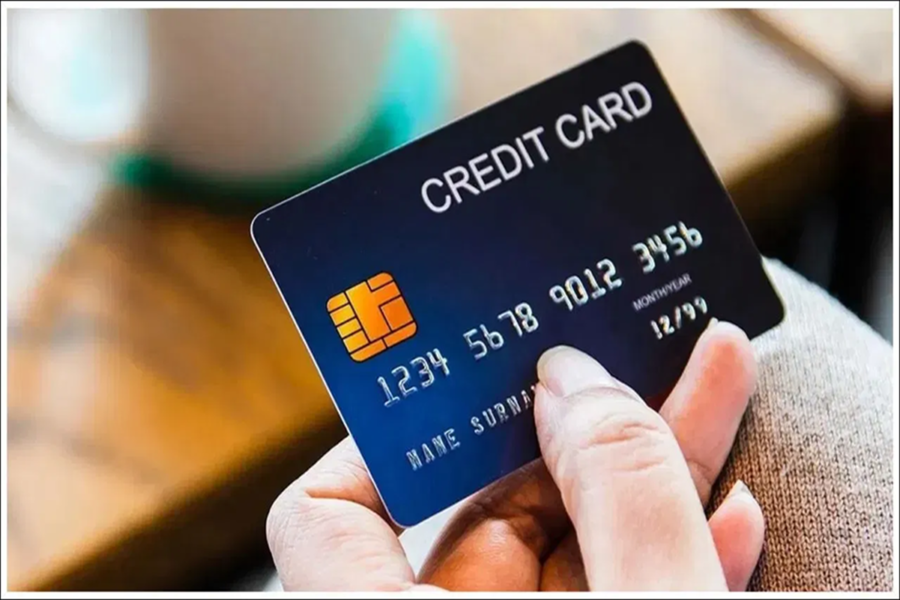
These days, whether we have cash in our pockets or not, a plastic card easily fulfills all our needs, big and small. Following the example of debit cards, credit cards have now found a permanent place in every person's wallet. But as soon as the monthly bill is generated, a big question arises. Should the bill be paid immediately upon receipt of the statement, or is it better to wait until the due date? This confusion often arises among consumers because the timing of bill payment directly impacts your credit score. Let's understand the right steps in this matter and its impact on your financial life.
The right time to pay…immediately or on the due date?
When a credit card statement message arrives in your email or phone, people often worry about whether waiting until the due date will lower their CIBIL score. The truth is, your credit score doesn't matter whether you pay your bills as soon as they arrive or use the grace period to pay them on the due date. If your payments are made within the deadline set by the bank, your financial record remains completely safe. You can choose either option based on your financial convenience and cash availability.
A late payment mistake can damage your CIBIL score.
Waiting for the due date is fine, but if this deadline is exceeded due to negligence, the real trouble begins. Making a payment after the bank's deadline is considered a late payment. This is a serious mistake that can severely tarnish your entire credit history. Once your CIBIL score is damaged, it becomes extremely difficult to obtain a home loan, car loan, or new card in the future. Therefore, it is crucial to make the habit of paying bills on time a financial priority.
Paying only the "minimum due"... a sweet poison
Credit card billing statements always show two types of amounts: total outstanding and minimum due. People often think that paying only the minimum amount, or minimum due, will avoid bank penalties and be done with it. However, from a financial perspective, this proves to be a huge trap. The money left over from paying only the minimum amount is carried forward to the next month, and banks charge hefty interest on it. This habit gradually pushes you into significant debt, and its negative impact is clearly visible on your credit score. Always pay the full bill.
The Emergency Fund Rule That Will Save You
To maintain a good credit score, it's also important to know how much of your limit you should spend. Financial experts clearly agree that it's safest to use only 30% of your card's total limit. Spending your entire limit makes you appear overly dependent on credit in the eyes of banks. Additionally, relying solely on credit cards to deal with any unexpected crisis in life isn't wise. You should always have an emergency fund in your bank account that can comfortably cover your expenses for at least the next six months.
Disclaimer: This content has been sourced and edited from TV9. While we have made modifications for clarity and presentation, the original content belongs to its respective authors and website. We do not claim ownership of the content.
